McManis Family Vineyards puts 3,500 California acres up for sale
A 74,000-case drop in shipments to Canada intensified a broader wine slump marked by soft demand and excess grape supply.
Wednesday, September 23, 2026

Views › 2453
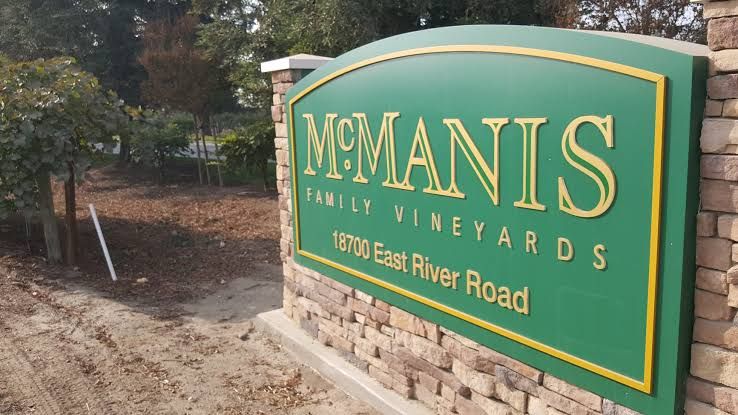
A large family-owned California winery is being put up for sale after a sharp drop in exports to Canada and a broader downturn in the wine business added pressure to its finances.
McManis Family Vineyards, founded in 1990, is selling about 3,500 acres across San Joaquin and Sacramento counties, including its winery in Ripon and 10 vineyard properties stretching from Clarksburg to the Modesto area. The move follows months of strain tied to Canada’s boycott of U.S. alcohol, weaker consumer demand and an oversupply of wine grapes in California.
The company declined to comment publicly on the sale. In a written statement provided to the Sacramento Bee, Ron McManis, the company’s president and co-owner, said the decision was very difficult for him and his family.
According to a real estate listing, the Ripon winery facility and nearby land are being offered for $22.5 million. The vineyard properties are listed separately, with asking prices ranging from $800,000 to $14 million. The winery has the capacity to crush 50,000 tons of grapes a year and bottle as many as 3 million cases of wine.
The company’s sales to Canada fell sharply over the past year. The Sacramento Bee reported that McManis exports to Canada dropped by about 74,000 cases between July 2025 and July 2026. Canadian shipments had once accounted for 40% of the company’s export business, but that share has fallen to 5%. At the same time, the company also saw weaker bulk wine sales to larger U.S. brands, which usually represent about 90% of its business.
The sale is one of the clearest signs yet of how the trade dispute between the United States and Canada is reaching into the beverage industry. For wine producers and other alcohol companies, the situation shows how quickly a key export market can contract when political tensions spill into liquor store shelves and provincial purchasing policies. It also highlights the commercial risk of carrying large inventories at a time when demand is soft and grape supplies remain high.
Canada is the largest foreign market for California wine, making the boycott especially damaging for producers that built a significant part of their business around Canadian distribution. The Wine Institute, which represents California wineries, said U.S. wine exports totaled $805 million in 2025, down 35% from 2024. The group said provincial boycotts in Canada since March 2026 have erased about $360 million in revenue that the U.S. wine industry otherwise would have earned.
Dale Stratton, a wine industry consultant who previously held leadership roles at Gallo Wines and Constellation Brands, said the pain has been severe for companies with heavy exposure to Canada. He said some businesses had one-third of their sales volume going to that market, while others sent more than 50%.
The boycott came after a worsening trade fight between Washington and Ottawa. Last month, President Donald Trump announced tariffs of up to 50% on Canadian goods, and Canada responded with retaliatory tariffs on $20 billion in American products, according to the report. Wine was not specifically named in that action, but several Canadian provinces had already moved to boycott U.S. alcohol beginning in March in response to earlier tariffs on Canadian goods.
The Wine Institute has urged Canada to end the boycotts. The group argues that the restrictions have hurt U.S. wine companies, led to job losses among Canadian sales representatives and other workers, and reduced tax revenue for Canadian governments.
The McManis sale comes during a difficult stretch for California wine more broadly. After decades of growth, the industry has been hit by multiple problems at once: lower demand, excess grape supply, rising costs and a generational shift in drinking habits. Older consumers, especially baby boomers, have long been the industry’s core customers. Younger adults, by contrast, tend to drink less alcohol overall and are less likely to choose wine.
Those pressures have already led to layoffs, bankruptcy filings and facility closures across the state. Signorello Estate in Napa Valley filed for Chapter 11 bankruptcy protection last month. The winery had rebuilt after its tasting room was destroyed in the Atlas fire, but now faces debt pressures. Earlier this year, E. & J. Gallo Winery said it plans to lay off more than 90 employees by the end of January 2027 and close a major winemaking facility in Napa Valley.
In February, Constellation Brands announced plans to cut 212 jobs at its Mission Bell Winery in Madera. The company, which owns Robert Mondavi wines as well as Modelo and Corona beers, has disclosed a plan to achieve $200 million in cost savings by 2028 and has been shifting more of its attention away from wine and toward its expanding beer business. That same month, Foley Family Wines & Spirits wound down operations at Chalone Vineyard in Monterey County and laid off its full winemaking staff there.
Industry executives and consultants say those moves reflect more than a temporary trade shock. They point to a structural imbalance between how much wine California can produce and how much consumers are willing to buy at current prices. When export demand weakens at the same time that domestic demand is already under pressure, growers and wineries have fewer ways to move product, and the financial strain can build quickly.
In that environment, the Canadian boycott has become a force multiplier for existing problems. A company that depends on one foreign market for a large share of its exports can lose volume almost overnight, while still carrying vineyard costs, production expenses and unsold inventory. That combination appears to have helped push one of California’s larger family-owned wine operations toward a sale.