Tuscany growers start the 2026 grape harvest two weeks early after exceptional summer heat.
Valdera and the Cuoio area report healthy fruit, but yields run 20% below normal after drought strained vineyards.
Thursday, August 20, 2026
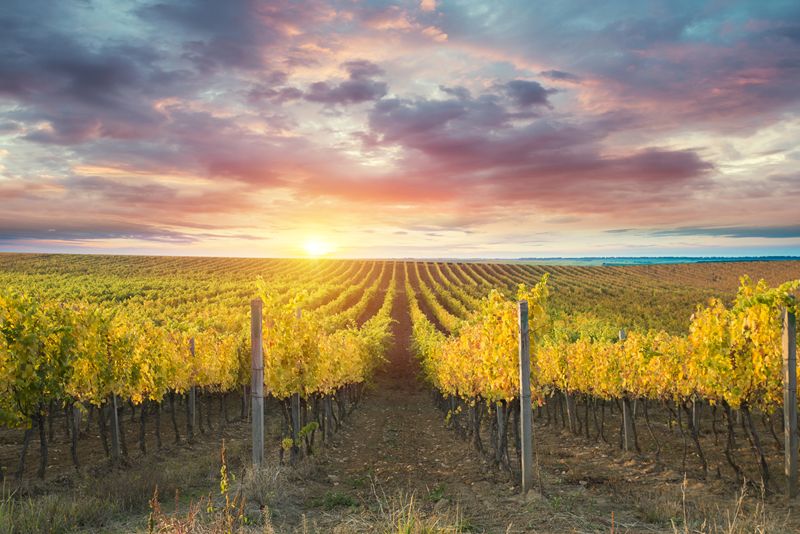
The 2026 grape harvest has started early in Valdera and the Cuoio area of Tuscany, with the first bunches picked before Aug. 15 after a hot summer pushed vines to ripen faster than usual.
Growers in the two wine-producing areas are bringing in early varieties first, along with white grapes used for sparkling wines. The main harvest is expected to build in the coming weeks and move closer to full pace by September, but this year’s campaign is already running about two weeks ahead of schedule, according to Cinzia Pagni, president of Cia Etruria, an agricultural association in the region.
The early start comes after a year of sharp weather swings. Winter and spring rains helped restore soil moisture, offering vineyards a solid start. Then summer conditions changed quickly. High temperatures and prolonged heat sped up the vines’ vegetative cycle and increased pressure on growers to manage water stress during a critical stage of ripening.
The strain has been strongest in hillside vineyards and in lighter soils, where water drains more easily and is less available to the roots. Producers have been watching for late August rain, hoping that any well-timed and evenly distributed precipitation can ease conditions as the harvest moves into its busiest stretch.
Even with that pressure, Pagni said the first reports from growers point to healthy fruit and very good quality. The larger problem is volume. She said yields are running about 20% below normal, with drought during the hottest part of the summer taking the biggest toll.
That combination — good fruit quality but less of it — is becoming familiar in parts of southern Europe as wine regions adjust to more frequent heat and drought. In Tuscany, it also matters beyond the vineyard. Lower output can tighten supply for wineries and bottlers, especially those making sparkling wines and other products that depend on early white grapes, and can ripple through pricing, export planning and inventory for the broader beverage trade.
The market backdrop is adding another layer of pressure. Pagni said the wine sector is dealing with a clear slowdown driven by several factors at once. International tensions have weighed on business, she said, and U.S. tariffs have caused meaningful losses for the sector. For Italian wine producers, and for growers in this part of Tuscany, the American market remains a central export destination.
Domestic demand has also softened. Pagni said wine consumption in restaurants has fallen, which she linked in part to regulations that have not helped the sector. She added that the summer heat has reduced demand for alcoholic drinks more broadly, not only for wine. Taken together, those forces are squeezing producers at a moment when crop size is already under pressure.
That matters for the beverage industry because the problems are hitting both sides of the balance sheet at once. On one side, drought is cutting the amount of fruit available for wine production. On the other, weaker sales at home and uncertainty abroad are making it harder for producers to recover costs. For wineries, cooperatives and distributors, that can mean tighter margins and more caution in purchasing, production and export decisions over the coming months.
The early harvest in Valdera and the Cuoio area is also another sign of how climate change is altering farming calendars in Italy. A harvest that starts before mid-August would once have been unusual in many parts of Tuscany. Now growers are increasingly planning for advanced ripening, faster sugar accumulation and a compressed window for picking, especially in warm years.
The weather pattern this year explains much of that shift. The rain that fell earlier in the year helped vineyards build reserves, but it was not enough to shield them from a prolonged period of exceptional summer heat. Once those temperatures settled in, the vines moved quickly, and in places with less water-holding capacity the plants came under stress despite the healthy appearance of the fruit.
Some relief has already arrived in the form of scattered rainfall across the territory, but producers are still waiting to see whether it will be enough. Light or uneven showers may do little for the vineyards that have suffered most, while a better distribution of rain could help stabilize conditions during the decisive final phase of harvesting.
For growers, the discussion is already moving beyond this season. Pagni said the summer has made clear that many areas will need practical changes if they are to cope with a hotter climate. She pointed to the need for emergency irrigation systems and for reservoirs that can store water for use in periods of severe drought.
Those investments are likely to become more urgent if hot, dry summers continue to arrive more often. In places like Valdera and the Cuoio area, where wine remains an important agricultural and economic activity, the challenge is no longer only how to protect grape quality in a difficult season. It is how to keep production viable when heat arrives earlier, rainfall becomes less reliable and the market is already under strain.