Cambridgeshire Garden Center Reports Rising Sales of Grapevines for Homemade Wine
The owner said tighter household budgets have pushed more customers to buy vines for wine production at home.
2026-08-19
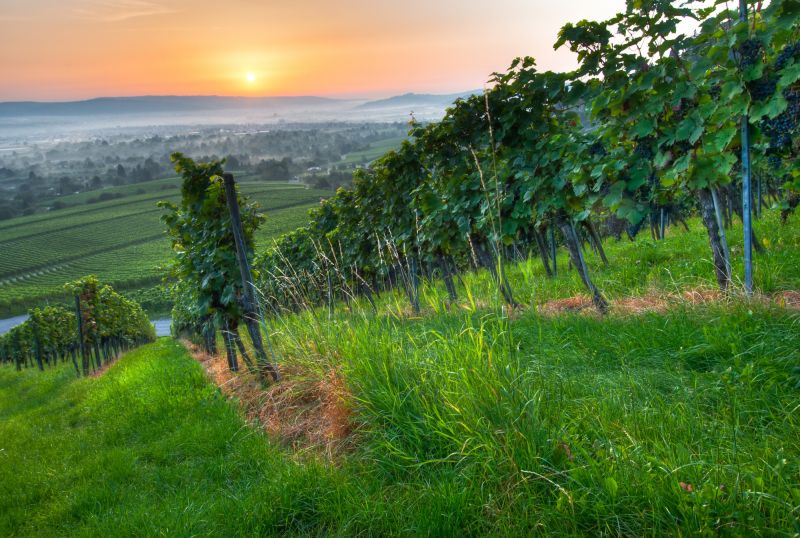
Sales of grapevines are rising at a garden center in Cambridgeshire as some customers try to cut the cost of buying wine by making their own, according to the business owner, while a nearby estate says warmer growing conditions are helping it produce its first bottled wines.
John Cutteridge, who opened Megaplants Garden Centre in Doddington in 2013, said demand for vines has increased in recent months. He said he believes pressure on household budgets is one reason, with wine becoming harder for some people to afford and home growing offering a cheaper alternative.
Cutteridge told the BBC that customers appear to be looking at grapevines in a different way than in the past. Instead of treating them mainly as ornamental plants or a hobby crop, he said, more buyers now seem interested in using them to produce wine at home.
He also said recent winters have been mild enough not to damage vine development. That matters for gardeners in eastern England, where colder weather has often limited what can be grown successfully outdoors. In his view, a combination of milder conditions and tighter household finances is helping to drive sales.
The local increase in interest comes as the wider British wine sector continues to expand. According to the Food Standards Agency, the UK had 7,020 acres of active vines in 2021. By 2025, that had climbed to 10,769 acres, showing steady growth in the area being used for grape production.
Industry figures point to a larger economic footprint as well. WineGB, the trade body for the sector, estimates the industry employed about 3,300 people and supported another 13,000 seasonal jobs in 2024. The group also estimates that about 66% of a typical year’s wine production in the UK is sparkling wine.
Not far from Doddington, the Waresley Park Estate near Gamlingay is now preparing to release its first range of bottled wine. The estate’s head gardener, Lewis Heron, said the site introduced grapevines in 2023 largely because of changing climate conditions, which he said now make growing wine grapes much more practical than in the past.
Heron said the estate grows Chardonnay, Pinot Noir and Pinot Meunier on a one-hectare vineyard, or about 2.47 acres. Those are the grape varieties commonly linked to sparkling wine production, and their use reflects a broader pattern across the English wine industry.
He said earlier generations of growers often struggled because the British climate did not always provide enough sun or a long enough growing season for grapes to ripen properly. Now, he said, that problem has eased.
“In today’s world we have no problem with the weather conditions, they love the heat,” Heron told the BBC.
Heron said the vines at Waresley Park have performed well and can cope with relatively dry conditions because their roots reach deep into the ground to pull up moisture. He tends more than 4,000 vines at the estate and said the current season’s weather has created strong expectations for a large crop.
He described the conditions this year as well suited to grape development and said the estate is expecting a bumper harvest. For a vineyard only a few years old, that could be an important step as it moves from establishing plants to selling finished bottles.
The developments in Doddington and Gamlingay reflect two connected trends in the English countryside. One is a consumer response to the cost of living, with some households searching for ways to reduce spending on products that can feel nonessential when prices are under pressure. The other is the continued shift in agricultural possibilities as warmer conditions allow crops once seen as difficult or marginal in Britain to be grown more reliably.
For garden centers, that can mean new demand from buyers who are not professional growers but want to experiment with producing food or drink at home. For estates and commercial vineyards, it can mean greater confidence in investing in grapes that depend on warm summers and stable ripening conditions.
Cambridgeshire is not the only area seeing that change, but the county offers a clear example of how climate and consumer habits are affecting the same product in different ways. At one end, private customers are buying a few vines for home use. At the other, a managed estate is building a commercial wine range around varieties associated with high-value sparkling wine.
The data suggest the shift is not limited to a single season. The rise from 7,020 acres of active vines in 2021 to 10,769 acres in 2025 points to sustained expansion rather than a short-lived spike. That growth has taken place as English and Welsh wines have gained more visibility, particularly sparkling wines, and as producers have invested in land, equipment and labor.
In Doddington, Cutteridge said the recent jump in vine sales stands out against that background. He linked it directly to how people are managing their household budgets, saying some now see a grapevine not just as a garden plant but as a way to make wine for less than they might pay in shops.
At Waresley Park, Heron said the vines were planted because conditions have changed enough to make that kind of project viable. With the estate now bringing out its first bottles and expecting a strong harvest, he said the grapes are benefiting from the warmth that once would have been in short supply in the region.
