Argentina exported 6.5% more varietal wine in the first half at lower prices
FOB revenue reached $283.31 million, far behind the gain in volume, after the average export value fell 4.6%.
Friday, August 14, 2026
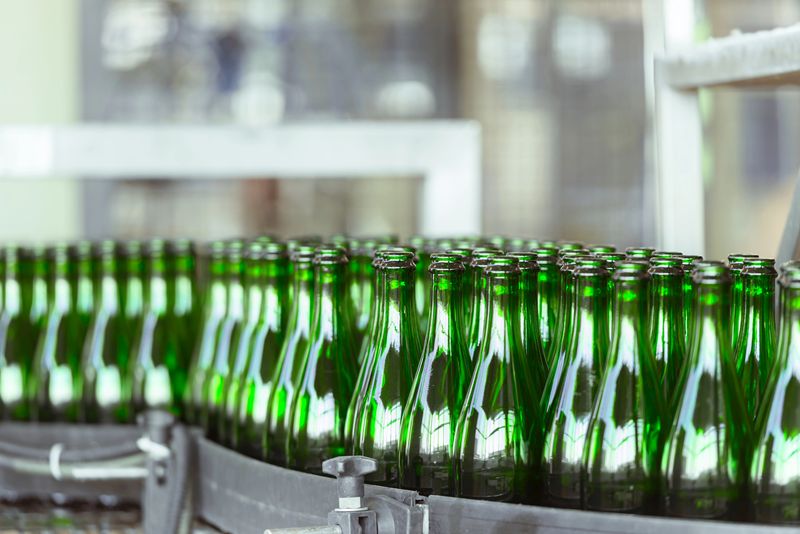
Argentina shipped more varietal wine abroad in the first half of 2026, but the gain in revenue was much smaller than the rise in volume, according to provisional data released by the country’s National Institute of Viticulture, known as the INV.
From January through June, Argentina exported 831,628.7 hectoliters of varietal wine, up 6.5% from 780,660.8 hectoliters in the same period of 2025. That was an increase of 50,967.9 hectoliters, or about 5.10 million liters. Export value, measured on an FOB basis, rose to $283.31 million from $278.89 million, a gain of $4.42 million, or 1.6%.
The mismatch between volume and revenue points to weaker pricing. The average export value fell to $3.41 a liter from $3.57 a year earlier, a decline of 4.6%. In other words, shipments grew 4.9 points faster than export value, suggesting that Argentine wineries sold more wine but at lower average prices, moved more product in lower-value formats, or leaned more heavily on destinations where returns are thinner.
The INV’s report, published on Aug. 13, said it analyzed first-half exports by color, grape variety, destination country, total volume, FOB value and average price per liter. The figures are provisional. The narrative text in the report said the average overall price had fallen 9.0%, but the table published with the same report, and the calculation based on the stated values and volumes, indicate a drop of 4.6%.
The increase in shipments was broad, though not even across categories. Exports of packaged varietal wine rose 1.8%, while bulk varietal wine jumped 21.0%, a much faster pace. That matters for revenue because bulk exports usually carry a lower value per liter than wine sold in bottles or other packaged formats.
By color, red varietal wine posted the strongest growth in volume, up 7.3%. White varietal wine increased 5.5%. Rosé moved in the opposite direction, falling 25.5%. The INV said both red and white wines showed growth in both packaged and bulk exports.
In value terms, the institute reported higher foreign-currency earnings for packaged red and white wines and for bulk red wine, even as the average price per liter declined in those segments. Rosé was an exception in one respect: the average price of packaged rosé increased, although total export revenue from that category still fell.
The destination data show that the United Kingdom remained the largest buyer of Argentine varietal wine in the first half of the year, importing 237,096.9 hectoliters. The United States ranked second with 154,667.89 hectoliters, followed by Brazil with 124,642.56 hectoliters. Canada bought 57,230.62 hectoliters and Germany 26,292.91 hectoliters.
Other important markets included the Netherlands with 19,614.32 hectoliters, Mexico with 16,821.57 hectoliters, France with 15,280.94 hectoliters, Colombia with 14,661.83 hectoliters and Peru with 11,796.12 hectoliters.
The first-half figures suggest that Argentina’s varietal wine trade has regained physical momentum after a weaker 2025 comparison period, but that stronger demand in liters has not translated into the same pace of income growth. For producers and exporters, that gap is likely to keep attention on pricing, product mix and the balance between packaged and bulk sales as the year continues.