France’s grape harvest will start early as drought shrinks the crop
Growers say the 2026 vintage could still deliver quality, but heat and water stress are cutting yields across key regions
2026-07-30
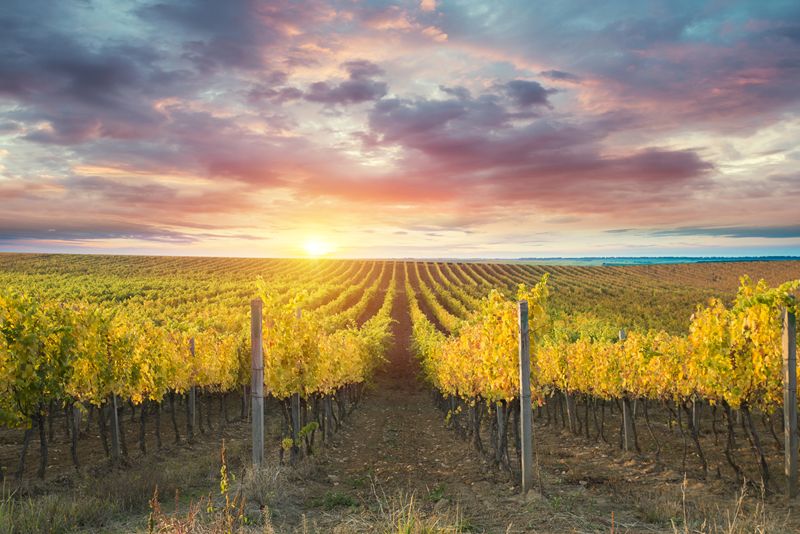
France’s grape harvest is set to begin earlier than usual, with picking expected to start in the first days of August as drought and repeated heat strain vineyards across much of the country. Growers and industry officials say the 2026 vintage still shows promise in quality, but water shortages are raising the risk of lower yields and a smaller overall crop.
The pressure is especially acute in vineyards north of a line running roughly from Lyon to Bordeaux, where producers say vines are facing severe water stress. According to Jean-Marie Fabre, president of the Independent Winemakers of France and a grower in Languedoc, the lack of water is already affecting berry size. When vines do not have enough water, he said, they draw moisture from the grapes themselves, reducing their volume and threatening final production.
That concern is spreading through a sector that has already been under economic pressure. Jérome Bauer, president of the CNAOC-Maison des vignerons confederation and a winegrower in Alsace, said he expects a small harvest and that production estimates have been falling day by day. Bernard Farges, president of the CNIV, which represents wines with appellations of origin, took a more cautious view, saying it is still too early to make a firm national forecast because the harvest will unfold over several weeks and weather conditions during that period could still change the outcome.
For now, growers are watching both quantity and ripening. In some parcels, the stress is so strong that grapes may not fully mature if rainfall does not arrive in time. Bauer warned that many plots could become impossible to harvest because fruit development has been too limited. The issue is not only how many bunches remain on the vine, but whether they can reach the balance needed for winemaking.
Storms have added another layer of uncertainty. Hail in July damaged vineyards in Vouvray, Beaujolais, Ardèche and Charente, cutting into potential output in areas already dealing with dry conditions. Those losses come on top of broader concerns tied to climate change, which is pushing harvest dates forward and exposing vines to longer periods of summer heat.
Even so, growers say the vintage could still be strong in terms of quality. One reason is that dry weather has reduced disease pressure in many vineyards. With fewer fungal problems than in wetter years, fruit health has generally held up better than volume. That leaves open the possibility of wines with good concentration and sound sanitary conditions, provided extreme heat does not further disrupt ripening before or during harvest.
The contrast between quality potential and shrinking volume matters well beyond the vineyard. A smaller crop could tighten supply for wineries and merchants at a time when many producers are already dealing with weak consumption and narrow margins. Earlier harvesting also forces estates to adjust labor schedules, cellar operations and purchasing plans more quickly than usual. If yields fall sharply in some regions while quality remains uneven from one area to another, pricing and commercial planning for French wine could become more complicated in the months ahead.
France’s wine industry has faced increasingly frequent weather shocks in recent years, from frost and hail to drought and heatwaves. This season again shows how vulnerable grape growing has become to prolonged dry spells. The next few weeks will be critical as producers assess whether remaining fruit can finish ripening under stable conditions or whether continued heat and lack of rain will further reduce what is already shaping up as an early and potentially limited harvest.
