France Tightens Drought Rules to Curb Farm Irrigation Earlier
Local authorities can now restrict watering at the alert stage, expanding pressure on growers as water shortages worsen.
2026-07-28
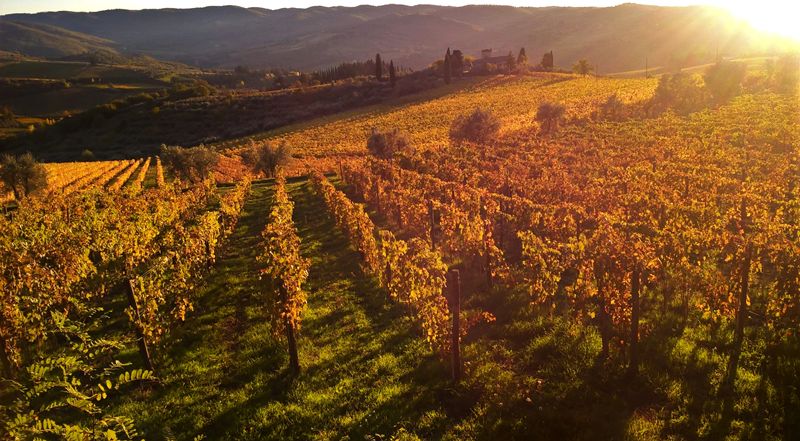
France’s government has tightened its drought response rules, giving local authorities broader grounds to curb agricultural irrigation as water shortages deepen across the country.
The measure was presented after Monday’s Council of Ministers meeting in Paris and forms part of a wider effort to manage recurring summer droughts that officials say are becoming more severe. Under the updated framework, limits on irrigation can now begin at the “alert” stage, rather than only under more acute shortage levels, according to the government’s account of the meeting. At the most serious “crisis” level, authorities may impose partial or total bans on watering crops.
The change marks a stricter approach to water use at a time when France has faced repeated pressure on rivers, reservoirs and groundwater during hot and dry periods. The government said the new rules are meant to improve anticipation and make restrictions more effective before shortages worsen.
In practice, the decision gives prefects, who oversee state policy at the local level, more latitude to act earlier in the season and tailor restrictions to conditions in each basin. France already uses a graduated drought system that can trigger limits on domestic, industrial and farm water use. By moving irrigation controls forward to the alert phase, the government is signaling that agriculture will face tighter scrutiny even before conditions reach emergency levels.
That matters for vineyards and other beverage-related crops because irrigation limits can affect yields and fruit development if dry conditions persist through the growing season. In wine regions, lower water availability may reduce grape volumes and alter ripening patterns, with possible effects on harvest quality and production costs. Similar pressure could extend to barley, hops and other farm inputs used in beer and spirits if drought restrictions broaden or last longer than usual.
The government did not present the move as targeting any one crop or region. Instead, it framed the decision as part of national drought management as climate pressures intensify. France has experienced several recent summers marked by heat waves and low rainfall, prompting temporary water restrictions in many departments and raising concern among farmers over both crop losses and uneven access to irrigation.
For growers, the timing is significant because summer is a critical period for many permanent crops, including vines and orchards. Restrictions introduced earlier in a drought cycle can force producers to prioritize parcels, reduce watering schedules or rely more heavily on soil management techniques to preserve moisture. In areas where irrigation infrastructure is limited or tightly regulated, those choices can become especially difficult.
The French wine sector has spent years adapting to hotter seasons through canopy management, changes in planting material and shifts in harvest timing. But water remains one of the most sensitive issues in many appellation areas, where irrigation has historically been restricted or debated for quality and environmental reasons. A tougher national drought regime could add another layer of uncertainty for producers already dealing with heat stress, disease pressure linked to weather swings and rising operating costs.
The government’s announcement comes as European policymakers and farm groups continue to debate how agriculture should adapt to climate change without worsening pressure on natural resources. In France, that debate has often centered on storage reservoirs, allocation rules and the balance between food production, environmental protection and drinking water supply.
By allowing action from the alert stage and preserving the option of partial or full irrigation bans during crisis periods, the new framework suggests that officials want earlier intervention rather than waiting for shortages to become critical. For agricultural producers, including those tied to wine and other drinks supply chains, that means drought policy may play a larger role in planning decisions during future growing seasons.
