Breaky Bottom vineyard has gone up for sale for the first time since 1974
The £4 million listing opens a new chapter for a Sussex estate that helped define modern English sparkling wine
Monday, July 13, 2026
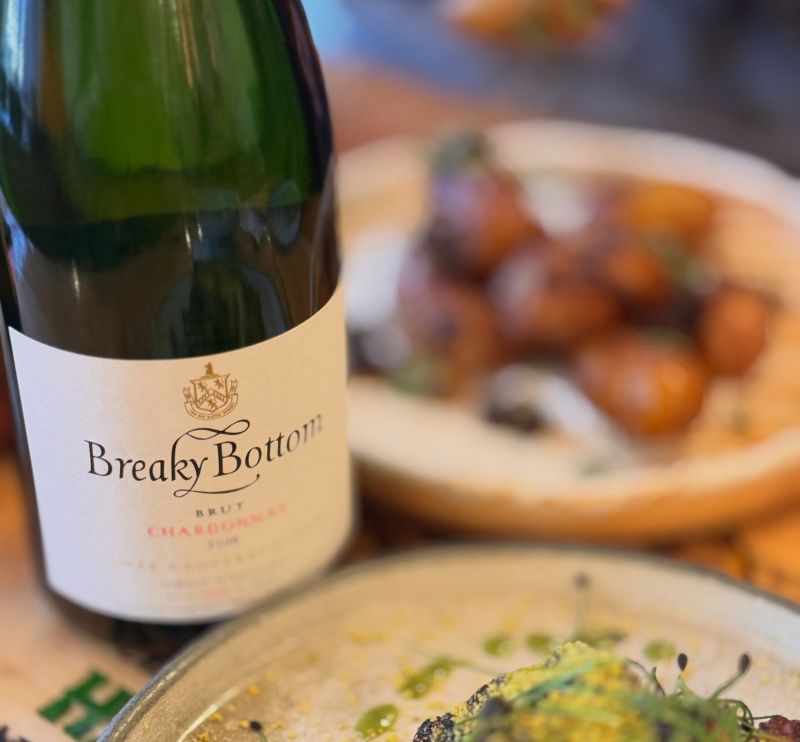
Breaky Bottom, one of the oldest and best-known vineyards in England’s modern wine industry, has been put up for sale for the first time since it was founded in 1974, marking a notable change for a Sussex estate long tied to the career of the late winemaker Peter Hall.
The vineyard, in a secluded valley in the South Downs near Lewes, is being marketed with a guide price of £4 million by Knight Frank’s viticulture team. The sale comes after Hall’s death in October 2025 and is being handled by the executors of his estate together with those holding lasting powers of attorney for his widow, Christine Hall.
Breaky Bottom holds an unusual place in English wine history. When Hall established the estate in 1974, Britain had only seven vineyards, according to the account published by The Drinks Business. Over the past five decades, English and Welsh wine has grown from a niche activity into a larger commercial sector with more than 1,300 vineyards, but Breaky Bottom remained known for staying small and focused on quality rather than expansion.
Hall is widely regarded as one of the early figures in the revival of English wine. He planted the original six-acre vineyard himself and managed production for decades, making about 10,000 bottles a year. His sparkling wines were served at several major national events, including the coronation of King Charles III, celebrations for Queen Elizabeth II’s Platinum Jubilee and the London 2012 Olympic Games.
Today, the estate covers about 15 acres, with roughly six acres planted to vines. Its production centers on two sparkling wines. One is made from Seyval Blanc, which became closely associated with the property over many years. The other is produced from Chardonnay, Pinot Noir and Pinot Meunier, varieties introduced there in the early 2000s as English sparkling wine moved closer to the classic Champagne model.
The property being offered for sale includes more than vines. Knight Frank said the listing covers a working vineyard business along with residential and farm buildings. Those include a four-bedroom brick-and-flint farmhouse, a traditional Sussex barn now used as the winery, storage and labeling facilities, and other agricultural buildings that support vineyard operations.
Will Banham, a partner in Knight Frank’s viticulture team, said in comments reported by The Drinks Business that the firm expected interest from buyers around the world. He described the transaction as “a landmark moment in the English wine story” and said Hall had been one of the country’s pioneers and most talented winemakers.
The Hall family has also signaled that it wants any buyer to preserve what made the estate distinctive while allowing it to develop further. Toby Hall, Peter Hall’s youngest son, said the next owner would have an opportunity to build on the vineyard’s legacy while creating “new stories” of their own. He said his father recognized the site’s potential when he began making sparkling wine there in the 1970s and believed that potential had grown over time.
The sale arrives at a moment when English wine continues to draw investor attention despite wider pressures on the global wine market. Knight Frank pointed to continuing demand for premium vineyard properties and said smaller producers with strong identity and clear origin stories have remained attractive even as broader conditions have become more difficult.
That matters beyond one family estate because Breaky Bottom has long been treated as a symbol of English sparkling wine’s rise from marginal production to an internationally watched category. A change in ownership at such a recognized property could influence how investors view top-tier English vineyard assets and how future owners combine grape growing, winemaking and tourism at heritage estates.
The listing also fits into a broader pattern of vineyard transactions in England as landowners and investors respond to rising interest in domestic wine production. Earlier this year, Muston Vineyard in Dorset was also brought to market with an asking price above £1 million and with planning permission for a winery as well as tourism potential.
Recent production figures help explain that interest. WineGB and the Food Standards Agency previously said that 2025 wine production rose 39% from a year earlier to more than 16.5 million bottles after favorable growing conditions. That growth has strengthened attention on established vineyards with proven reputations, especially those linked to premium sparkling wine.
For buyers, Breaky Bottom offers something rare in that market: an operating estate with historical standing, recognized wines and a name already embedded in the story of English viticulture. For the drinks business more broadly, its sale will be watched not only as a property transaction but also as a test of how much value investors now place on heritage, scale and brand identity in one of Europe’s fastest-growing wine regions.