A Preprint Finds Mild Hyperbaric Oxygenation Improves Monastrell Must During Fermentation
The unreviewed study reports stronger color, higher phenolic levels and fruitier aromas without disrupting fermentation or causing sensory defects.
Monday, July 13, 2026
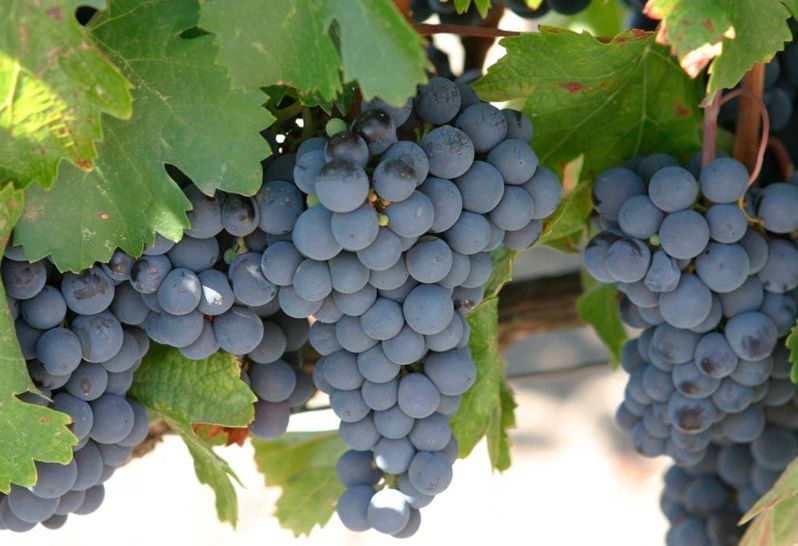
A research team has reported that a mild form of hyperbaric micro-oxygenation during fermentation may improve the color, phenolic profile and aroma of Monastrell must without disrupting the fermentation process, according to a preprint posted on Preprints.org.
The study, which has not yet been peer reviewed, tested fermentation under mild hyperbaric conditions at 1.45 ATA in Monastrell must, a grape widely used for red wines in southeastern Spain. Based on the summary released with the manuscript, the treatment did not alter the normal course of fermentation, but it was associated with stronger chromatic response, higher phenolic levels and more pronounced fruity and floral sensory notes, with no reported sensory defects.
That matters for the beverage industry because oxygen management during fermentation is a central issue in red wine production. If the findings are confirmed in peer-reviewed research and at commercial scale, the technique could offer wineries a non-thermal way to influence phenolic development and aroma expression while preserving fermentation performance. That could be relevant for producers seeking better color stability and more consistent sensory profiles in red wines made from Monastrell and potentially other varieties.
The manuscript’s title indicates that the researchers examined several linked outcomes: chromatic response, phenolic structure, aroma-active compounds and sensory properties. In practical terms, those are key markers for how a young red wine looks, smells and tastes. Color intensity and stability are especially important in varieties that can show variation from one harvest to another, while phenolic composition shapes mouthfeel, structure and aging potential.
The preprint summary suggests that the oxygen treatment acted as a modulator of fermentation pathways rather than as a disruptive intervention. That distinction is important because excessive oxygen exposure during winemaking can damage freshness or lead to unwanted oxidation. The reported absence of defects in the sensory evaluation points in the opposite direction, though that result still needs independent review and replication.
Monastrell, known as Mourvèdre in France, is valued for producing deeply flavored red wines with dark fruit character and firm structure. Producers often look for ways to refine extraction, stabilize color and manage aromatic expression without adding heat or making major changes to cellar operations. A mild hyperbaric approach could draw attention because it appears aimed at those same goals through controlled oxygen exposure under pressure.
Only limited source material was available from the preprint listing provided in the monitor record, and no full peer-reviewed paper or institutional release was included alongside it. As a result, details such as sample size, fermentation conditions, analytical methods and statistical significance were not available here for independent assessment. Those points will be important in judging how robust the findings are and whether they can be transferred from experimental conditions to working wineries.
Even so, the early result fits into a broader area of wine science focused on precision control during fermentation. Researchers and producers have long studied how oxygen affects yeast activity, phenolic reactions and aroma formation. What appears new in this case is the use of mild hyperbaric micro-oxygenation inside a chamber during fermentation rather than more conventional oxygen management tools used later in vinification or aging.
Because the work is still at the preprint stage, winemakers and buyers should treat it as preliminary evidence rather than an established advance. But for a sector that depends heavily on small improvements in color retention, aromatic clarity and sensory consistency, even an incremental technique can attract interest when it promises gains without obvious faults in fermentation or taste.