Gabriella Favara Takes Over Assovini Sicilia in a Generational Shift
An under-40 board now leads one of Sicily’s main wine associations as producers confront export, consumption and sustainability pressures.
2026-07-07
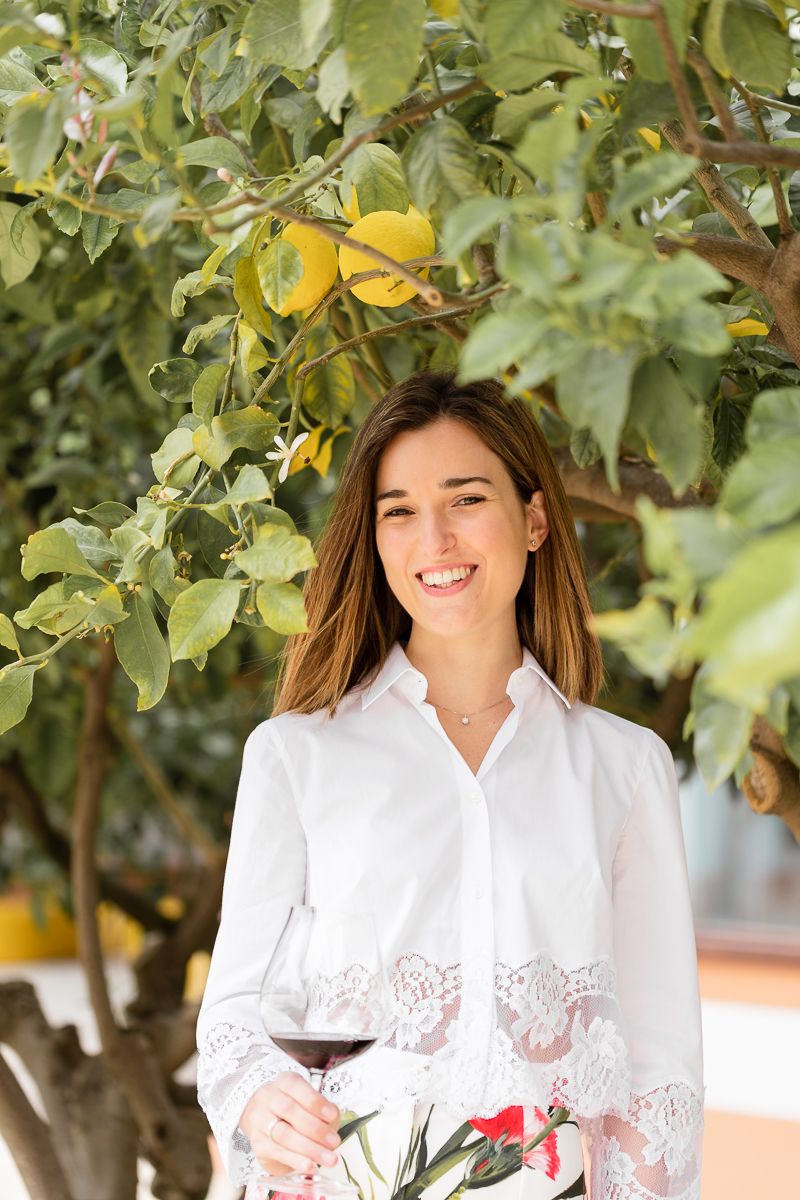
Gabriella Favara has been elected president of Assovini Sicilia, marking a generational shift at one of Sicily’s main wine associations as a new board made up entirely of members under 40 takes control.
The appointment was made on Monday by the newly elected board, and the association announced the change from Palermo on Tuesday. Assovini Sicilia represents 101 Sicilian wineries and says its members produce about 900 labels, giving the group an important role in shaping how Sicilian wine is promoted in Italy and abroad.
Favara, who is under 30 and from Marsala, works as international marketing manager at Donnafugata, the family-owned winery known for its broad export presence. According to the association, she joined the company four years ago after earning a degree in business economics and a master’s degree in business management from Oxford. After working in trade marketing, she returned to Sicily to oversee Donnafugata’s foreign markets.
Her election comes as Assovini Sicilia places younger executives at the center of its leadership. The association said the new board is drawn from its “Generazione Next” group, a sign that member wineries want a younger cohort to guide strategy at a time when wine producers across Europe are dealing with slower consumption in some markets, changing export conditions and growing pressure to adapt to sustainability demands.
In a statement released by the association, Favara thanked the outgoing president, Mariangela Cambria, and the previous board for their work. She said she accepted the role with “great respect” and with awareness of the challenges facing the sector. She also said Assovini Sicilia had played a decisive role in building the identity and prestige of Sicilian wine around the world and that the new leadership would aim to continue that work by combining experience and innovation while responding to market changes.
The new board includes Pietro Pollara of Alessandro di Camporeale as vice president, along with Cristina Madaudo of Camporè, Pierfilippo Marchello of Cantine Pellegrino, Totò Navarra of Tenute Navarra, Graziano Nicosia of Tenute Nicosia, Costante Planeta of Planeta, Enrica Spadafora of Dei Principi di Spadafora and Alessandro Tasca of Tasca d’Almerita. Several of those surnames are closely tied to some of Sicily’s best-known wine families, underscoring how the island’s established producers are handing more responsibility to a younger generation.
Assovini Sicilia was founded in 1998 by Giacomo Rallo, Diego Planeta and Lucio Tasca. Over nearly three decades, it has become one of the main collective voices for Sicilian wine, helping promote the island’s image beyond bulk production and toward a more defined identity based on territory, native grapes and quality-focused estates. Its membership spans producers from different parts of Sicily, from Marsala in the west to Etna on the eastern side of the island.
The leadership change also reflects how Sicilian wine groups are trying to connect continuity with renewal. Many member wineries remain family-run businesses with long histories, but they are increasingly relying on younger managers trained in international business, marketing and export development. That matters in a region where wine sales depend heavily on foreign markets and where producers must balance tradition with commercial pressures.
Assovini Sicilia said it also continues to support environmental, social and economic sustainability through the SOStain Sicilia Foundation, which promotes greener vineyard practices among producers. That work has become more central as wineries face hotter growing seasons, water stress and stronger scrutiny from buyers and consumers over environmental standards.
Favara now takes over at a moment when Sicily remains one of Italy’s largest and most visible wine regions. The island has expanded its reputation in recent years through categories ranging from Etna wines to Marsala relaunch efforts and fresh white wines made for export markets. For Assovini Sicilia, putting an under-40 board in charge signals that member companies believe the next phase of that growth will depend not only on vineyard identity but also on younger leadership able to navigate branding, tourism, sustainability and global sales.
