Study Finds Young Fine-Wine Collectors Follow a Global Pattern
Areni Global says buyers under 40 in major cities rely on peers, digital tools and community to move into collecting.
2026-07-21
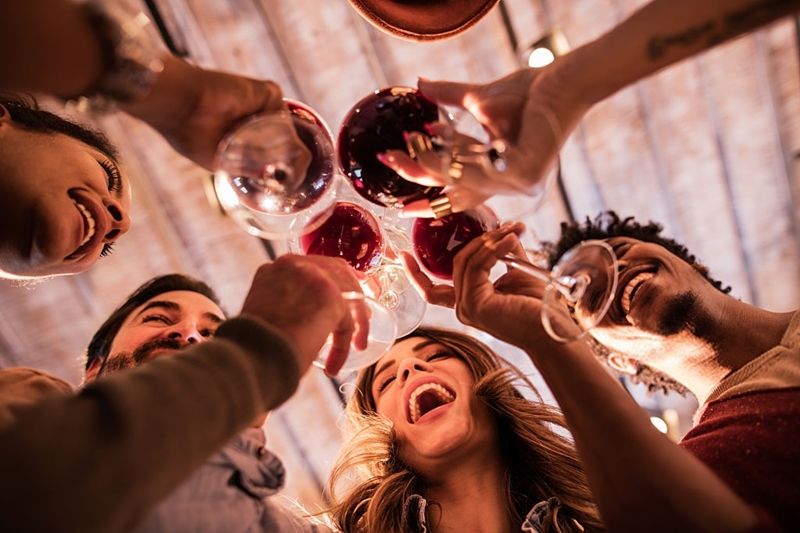
A new study from Areni Global suggests that younger fine-wine collectors in major cities around the world are developing in strikingly similar ways, with social networks, digital tools and access to like-minded communities shaping buying habits from London and Paris to New York, Shanghai, Hong Kong and Singapore.
The research, published this year and focused on consumers under 40, found that the path from occasional buyer to collector tends to follow a common pattern across those markets. According to Areni Global, younger consumers usually first discover fine wine through friends and social circles rather than through family. If they later gain enough spending power, find clear ways to buy sought-after bottles and connect with other enthusiasts, many move deeper into collecting between ages 26 and 40.
For producers, merchants, auction houses and other drinks businesses, the findings point to a younger fine-wine audience that may be responding to similar signals across markets. That could affect how companies think about access, allocations, digital sales tools and community-building around premium bottles.
Areni Global defines a “buyer” as someone purchasing wine for an occasion and wanting the bottle quickly, while a “collector” is described as someone acquiring wine to meet a more complex and ongoing need, with enjoyment tied to the search itself. In the study, “fine wine” was defined by market-specific price thresholds including US$75 in the United States, £50 in Britain, €65 in Europe, HK$550 in Hong Kong, SG$120 in Singapore and RMB$880 in mainland China.
The report was based on qualitative interviews, focus groups and questionnaires. Areni Global said it gathered responses from 308 people overall, including 209 current fine-wine buyers. The study was conducted with Berry Bros. & Rudd, 67 Pall Mall, Vinophiles Society and the Young Members Circle of the International Wine and Food Society.
Pauline Vicard, co-founder and executive director of Areni Global, said younger collectors are drawn by complexity rather than by barriers that make the market hard to understand. She argued that digital platforms, apps and online tools have made collecting easier and more engaging for a new generation. She also said auction houses have modernized since the pandemic in ways that lowered practical barriers to entry by allowing people to bid more easily at any time.
At the same time, Vicard said some older practices in the trade are losing favor with younger buyers. She said scarcity-driven allocation systems are likely to remain part of fine wine because top bottles are limited, but added that demands for large minimum spending commitments, long loyalty records and extensive purchase histories are becoming less acceptable among younger consumers.
That shift matters beyond luxury wine retail because it may influence how premium beverage brands manage customer relationships. If younger buyers expect transparency and easier access, traditional gatekeeping models could face more pressure across parts of the high-end drinks market.
The study also pointed to some regional differences. Vicard said consumers in Asian markets often enter wine through formal education earlier than their counterparts in Western cities. In places such as London or New York, she said interest more often develops through workplace contacts, friends or family connections. She linked that contrast to the more specialized nature of wine access in parts of Asia, where education can become the main route into a community of collectors.
Singapore was cited as one example of that trend. The country’s WSET program is supported through SkillsFuture, a government-backed initiative, while tastings, masterclasses and wine bars have expanded across the city-state. That growth has helped build an ecosystem where education plays a central role in introducing consumers to wine.
Vicard also said she sees more women buying expensive wines in Asia than in some Western markets. She suggested that this may reflect both financial independence and the fact that wine became established there at a time when it was less tied to older male status traditions than it had been historically in Europe and North America.
But not everyone working closely with collectors agrees fully with the study’s conclusions or definitions. Corinne Mui, a Hong Kong-based wine educator, writer and judge at international wine competitions, said some of the broad patterns identified by Areni Global ring true but argued that local realities still matter.
Mui questioned whether HK$550 is an appropriate threshold for fine wine in Hong Kong if collectibility is tied to aging potential and resale value. She said bottles at that level may offer quality drinking but may not justify scarce storage space in a city where room is limited. In her view, aging potential is central to whether a bottle belongs in a serious collection.
She also pushed back on the idea that most collectors want simpler access. While some buyers value transparency, she said many collectors still enjoy exclusivity and the layered process of gaining entry into clubs or circles tied to rare wines. She said demand for club memberships remains strong among fine-wine drinkers and collectors.
On gender trends, Mui said she would want closer scrutiny of who is actually making purchases recorded in surveys. She also noted that outside Hong Kong, many Asian cities still have lower shares of financially independent women than some Western markets, which could complicate broad conclusions about female participation in expensive wine buying.
Those reservations highlight a tension running through today’s fine-wine market. Research points to global convergence among younger consumers who use similar digital tools and social channels, but merchants and educators on the ground still see differences shaped by local wealth patterns, housing constraints, education systems and ideas about status.
Even so, the broad direction described by Areni Global reflects a market where younger collectors appear less defined by geography than by behavior. They learn through peers, rely on digital access, seek community and move into collecting once they have both money and confidence navigating the category. For beverage companies trying to reach future high-value customers, that profile may prove increasingly important as premium wine demand evolves across major cities.
