California’s 2026 Grape Harvest Begins Unusually Early in Santa Barbara County
The June 30 sparkling wine pick is forcing growers and wineries to make faster decisions in a weak market with excess inventory.
2026-07-09
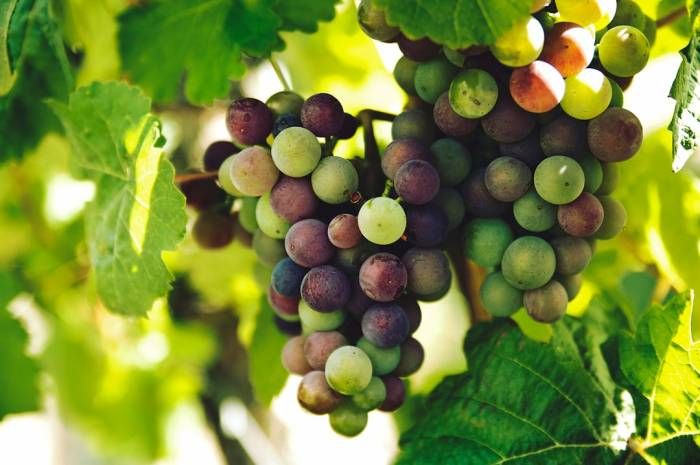
California’s 2026 grape harvest is starting unusually early, adding pressure to growers, wineries and bulk wine suppliers already dealing with weak demand and excess inventory.
Ciatti Company said in its July California market report that sparkling wine grapes were picked in Santa Barbara County on June 30, a date the brokerage described as earlier than anyone there could remember. The early start reflects advanced vine development across parts of the state and is forcing producers to make decisions sooner than usual about fruit sales, vineyard spending and winery capacity.
The timing matters because many growers still have uncontracted grapes. In a normal year, some of those deals would still be under discussion as harvest approached. This season, the faster pace in the vineyard is shortening that window. Growers must decide whether to keep farming fruit that has not yet found a buyer, reduce spending, leave vineyards unharvested or send grapes to custom crush facilities in hopes of selling wine later.
That choice comes at a difficult moment for California wine. Demand has not settled into a clear pattern after several years of uneven sales, and the industry still does not know what the new baseline for consumption will be. Ciatti said long-term planning remains difficult until case-good sales stabilize, leaving many businesses focused on cash flow and short-term survival rather than expansion.
The early harvest also affects wineries and bulk suppliers because tank space must be cleared before new fruit arrives. Sellers holding unsold bulk wine are under pressure to move inventory quickly so wineries can receive the 2026 crush. Some suppliers, however, are weighing whether to keep their wine longer if they believe this year’s crop could come in lighter and support firmer prices later.
That calculation is risky. If yields fall enough to tighten supply, older inventory could gain value. But if demand remains soft, carrying costs and storage constraints may outweigh any future price benefit. The result is a market where timing is becoming almost as important as price.
Ciatti’s report points to a broader imbalance that has shaped California’s wine business in recent seasons: too much wine relative to current demand in some categories, combined with uncertainty over how much fruit should still be harvested this year. In that environment, growers with open tonnage are being urged to communicate availability early, while buyers are being encouraged to register needs before fruit ripens past target levels.
The issue is especially acute for vineyards without long-term contracts. Those growers face direct farming costs through the rest of summer even if no buyer emerges. Continuing canopy management, irrigation and pest control can preserve fruit quality but adds expense. Cutting back may save money but can reduce the chance of making a late sale. Resting or abandoning production can protect finances in the short term, yet it also means lost crop revenue.
Custom crushing offers another path, but it is not simple. Turning grapes into bulk wine requires access to processing space, financing for crush and storage, and confidence that there will be buyers later. In a slow market, that strategy can shift risk rather than remove it.
The pressure extends beyond vineyards and tanks to packaging and freight. Ciatti said suppliers are increasingly looking at lightweight bottles and lighter packaging more broadly as a way to reduce shipping costs. That trend has been building for several years as glass prices, transportation expenses and sustainability concerns have pushed wineries to reconsider heavier formats once associated with premium positioning.
Market data cited by Ciatti from SipSource, which tracks wholesaler depletion trends, suggests the trade is still watching sell-through closely rather than betting on a strong rebound. For wineries, that means harvest decisions are being made against a backdrop of cautious distributor orders and limited visibility into consumer demand later this year.
Santa Barbara County’s early sparkling pick may be the clearest sign so far of how compressed the season could become. Sparkling wine grapes are usually among the first harvested because they are picked at lower sugar levels than still wine fruit. Even so, a June harvest underscores how far ahead some vineyards are running.
Across California, regional conditions will determine whether the early pace continues through the rest of summer. Vineyard health and yield potential remain central questions because they will shape both grape pricing and bulk availability. If warm weather continues without major disruptions, more regions could move quickly into harvest mode. If conditions change, some of the current lead could narrow.
For now, brokers say the main response from the industry is practical rather than optimistic: move faster, secure tank space, cut unnecessary costs and make decisions on uncontracted fruit before options narrow further. In a year when grapes are ripening ahead of schedule but demand remains uncertain, California’s wine sector is entering harvest with less room for delay than usual.
