Climate Change Pushes Prosecco Growers to Rethink the Vineyard
A study in Conegliano Valdobbiadene found harvest cycles have shortened by up to 16 days, prompting new soil and water strategies
Thursday, June 18, 2026

Views › 2631
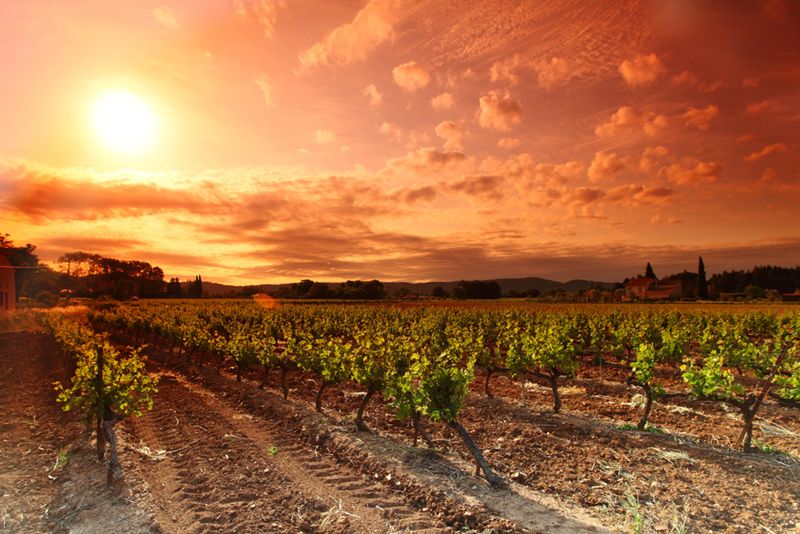
Growers in Italy’s Conegliano Valdobbiadene Prosecco Superiore DOCG area are turning to new vineyard practices to cope with climate change, after a study presented in Solighetto laid out how rising temperatures, drought, hail and more erratic rainfall are already reshaping one of the country’s best-known sparkling wine regions.
The study, presented by the Conegliano Valdobbiadene Prosecco DOCG Consortium and Banca Prealpi SanBiagio, draws on climate projections through 2100 from the Meteorology Group at the University of Cantabria. Its central message is that climate change is no longer a future risk for the denomination but a current condition that requires practical adaptation in the vineyard.
Among the measures highlighted are increasing organic matter in soils so they can retain more water, building small reservoirs to collect rainwater, changing canopy management, using more resilient rootstocks and installing passive and active protective systems such as anti-hail nets. The report argues that the first line of defense starts below ground, saying that a living soil rich in organic matter and microbial biodiversity is the main ally for growers trying to improve vine resilience.
According to the research, measurable changes are already visible. Over the past 30 years, the vine’s phenological cycle in the area has shortened by 13 to 16 days, equal to about six to eight days for every 1C increase in temperature. That shift has pushed harvests earlier and moved ripening deeper into summer, with likely effects on acidity, sugar levels and aromatic development in the grapes.
The study says higher temperatures are already changing aromatic profiles, pushing them toward riper fruit, tropical notes and light spice. For a sparkling wine region where freshness and balance are central to style, those shifts matter well beyond the vineyard. They could affect grape composition, cellar decisions and the consistency of wines sold into global markets that depend on a stable sensory identity year after year.
At the same time, the report says Glera, the grape behind Conegliano Valdobbiadene Prosecco Superiore DOCG, still benefits from conditions that remain fundamentally suited to its metabolism in this historic growing area. It argues that the zone reached an optimal balance for Glera centuries ago and is not yet facing the kind of severe qualitative disruption seen in more marginal areas. But it adds that water stress, excess rainfall and extreme events such as hail pose a different level of threat and cannot be absorbed as easily as gradual warming alone.
One of the clearest recommendations concerns soil management. The report points to green manure cover crops planted between rows, including legumes and grasses, then cut and incorporated into the soil. It also recommends rotating organic matter back into vineyards instead of relying on mineral fertilization. Together, those practices can make soil act more like a sponge by holding rainwater and releasing it slowly during dry periods.
To show the scale of that effect, the study says a 1% increase in soil organic matter can allow up to 300,000 liters of additional water retention per hectare. Replacing chemical nitrogen with organic matter can also reduce climate-altering effects linked to synthetic inputs while helping vines maintain better balance.
Water storage is another priority. The report proposes creating small rainwater collection basins, or micro-reservoirs, placed inside or along vineyard edges. These structures would serve two purposes: storing emergency irrigation water for dry summer months and slowing runoff during intense downpours, reducing erosion and small landslides in steep hillside vineyards.
That issue is especially sensitive in Conegliano Valdobbiadene, where heroic viticulture on slopes leaves vineyards exposed to runoff damage. The study says rainfall is becoming increasingly concentrated in May and June while declining in July and August, a pattern it expects to continue based on the University of Cantabria’s projections. That trend raises pressure on growers to capture water when it falls and manage unstable soils when storms hit.
The research also recommends newer rootstocks from the M Series developed by the University of Milan, especially M4. These rootstocks are described as naturally inclined to send roots deeper into the soil profile, allowing vines to reach water reserves below the surface and better withstand shallow drought conditions. The report adds that growers should encourage deep rooting by limiting artificial irrigation and using light surface tillage.
Canopy management is another area where small changes could have large effects. Rather than carrying out severe summer green pruning, the study advises leaving enough foliage to create a natural umbrella over grape clusters. That shade can reduce sunburn risk and help avoid pushing aromas too far toward exotic fruit and overripe notes.
For protection against hail and heat, researchers also point to vertical anti-hail netting suited to the steep hillsides of the denomination. Beyond shielding vines from hailstones, dark-colored nets can act as a solar screen by slightly reducing direct sunlight on bunches and lowering berry temperature. The report says that secondary effect may help preserve acidity and aromas during intense heat waves.
Franco Adami, president of the consortium, said the study marks an important step in what he called active protection of the territory. He said producers can no longer limit themselves to managing emergencies and must instead adopt a strategic view that gives growers technical tools and knowledge to deal with ongoing changes.
Diego Tomasi, director of the consortium, said resilience in Glera is now the key issue for the denomination. He said producers cannot move vineyards or replace their defining variety but can support adaptation by working on soil, water management and vegetative balance. He added that maintaining quality from one vintage to another despite climate extremes remains essential for consumers.
Carlo Antiga, president of Banca Prealpi SanBiagio, said investment in knowledge can help younger generations understand ongoing changes and how to manage them while supporting both landscape sustainability and local communities.
The work underway in Conegliano Valdobbiadene reflects a broader challenge across wine and other beverage sectors as producers face hotter growing seasons, shifting harvest dates and greater weather volatility. In sparkling wine especially, where acidity and aromatic precision are critical to style, adaptation measures in vineyards may increasingly shape not only agricultural resilience but also product profile, supply stability and long-term market positioning.