Nineteen of the top 25 beer vendors improved sales trends in October
The gains suggested a broader rebound in U.S. retail beer demand after a weaker September
Thursday, November 26, 2026

Views › 618
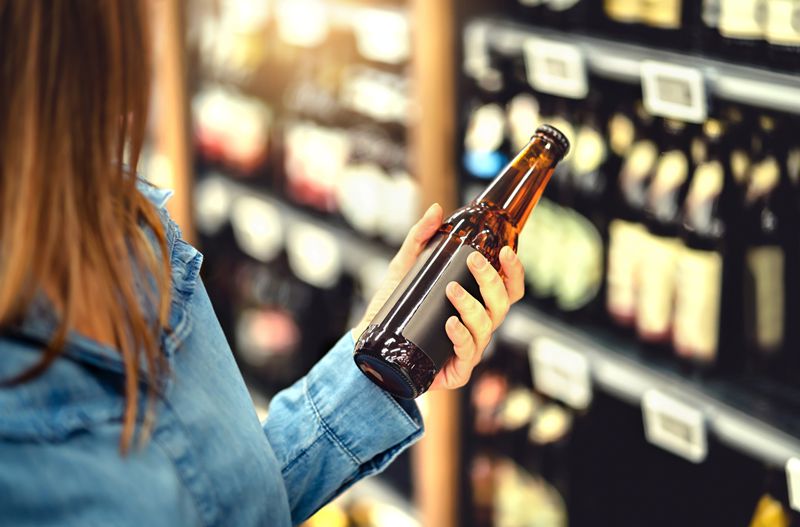
U.S. retail beer sales grew in October, and most of the largest suppliers improved their sales trends from September, according to Brewbound’s report on Circana’s IRI Market Advantage+ data.
The report said 19 of the top 25 beer vendors posted better trend lines in October than they did a month earlier. It also said overall beer sales increased during the month, pointing to a broader improvement across the category after September.
Brewbound described the October results as a sign that brewers and other beer suppliers are adjusting to changes in consumer demand and to the normal seasonal shifts that affect the business. The data, as summarized in the report, suggests that the gains were not limited to a small group of companies but were spread across much of the leading supplier base.
That matters beyond beer alone because the U.S. beer market is one of the country’s largest beverage segments and often serves as an early signal for demand in retail alcohol sales more broadly. A stronger October can help manufacturers, importers and distributors gauge how consumers are spending as they plan production, shipments and promotions for the months ahead.
The report did not provide dollar figures or case volumes in the summary available through Brewbound, but the direction of the trend was clear. More than three-quarters of the top 25 vendors improved compared with September, an indication that October brought a better sales environment for many of the biggest companies in the category.
Brewbound said several factors were behind the improvement. Those included new product launches, marketing efforts and differences in demand across regions. That mix points to a market that is still changing at the local and brand level, even when the national picture improves.
New releases can play an important role in October as brewers move deeper into fall lineups and test fresh products against changing drinking occasions. Marketing can also have an outsized effect during the period, when football season, social gatherings and cooler weather often reshape where and what consumers buy. Regional variation remains important as well, since a strong month in one part of the country does not always match conditions elsewhere.
The October showing also suggests that supplier performance remains uneven enough to make close tracking essential. When 19 vendors improve, that still means six of the top 25 did not show a better trend than in September. For brewers, wholesalers and retailers, that split underscores how competitive the market remains, even in a month of overall growth.
For the beverage industry, the data may offer a useful read on consumer behavior at retail. If beer sales strengthen while more large suppliers improve at the same time, companies in adjacent categories such as wine, spirits and ready-to-drink beverages may also watch for signs that shoppers are becoming more willing to spend or respond to promotional activity. It does not prove that the broader alcohol market is moving in the same direction, but it can help frame expectations.
Brewbound said the findings highlight the importance of watching vendor performance closely to understand market shifts. That kind of monitoring has become more important as brewers contend with changing brand loyalties, product innovation, pricing pressure and regional differences in demand.
The report also said the October results should encourage industry participants to rely more heavily on data analysis as they make decisions about market positioning. In practical terms, that can affect where companies place inventory, how they time promotions, which products they emphasize and where they see room for growth.
The October improvement does not settle the outlook for the rest of the year, but it does offer a stronger data point for a category that has faced shifting consumer preferences and intense competition. For large beer vendors, the month showed that gains were still possible in U.S. retail, and for the wider drinks business, it provided another measure of where demand may be heading.