Whispering Angel Marks Its 20th Vintage in Provence
The anniversary release underscores how Château d'Esclans turned rosé into a global symbol of summer luxury and travel
Thursday, June 11, 2026
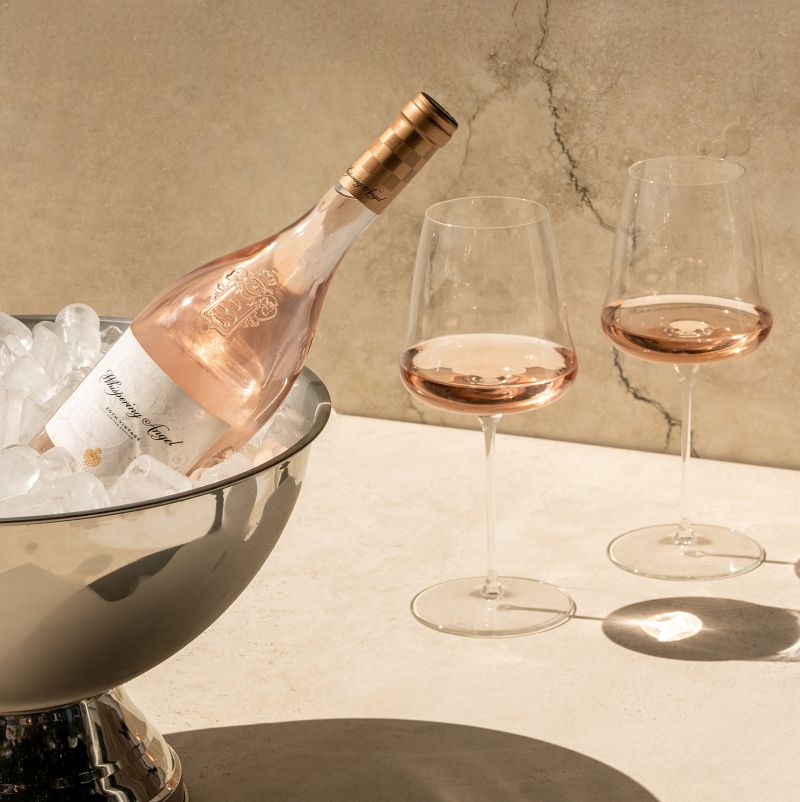
Rosé wine has become one of the clearest symbols of summer travel and leisure, moving beyond its old role as a simple seasonal drink and taking on a broader cultural identity tied to style, place and social life. That shift is now being marked by Château d'Esclans, the Provence estate behind Whispering Angel, which is releasing the twentieth vintage of the wine with the 2025 harvest, two decades after the label first entered the market in 2006.
The anniversary comes at a time when rosé holds a stronger position than at any point in recent memory in the premium wine business and in tourism-linked consumption. What was once often treated as an easy, casual option has become closely associated with a specific kind of summer setting: seaside lunches, rooftop gatherings, sunset terraces and beach clubs where atmosphere matters as much as the bottle on the table. In that environment, rosé has gained value not only for how it tastes but also for what it signals about leisure, taste and contemporary luxury.
Whispering Angel has played a central role in that change. Produced by Château d'Esclans in La Motte-en-Provence, the wine helped push rosé into a higher-priced and more image-conscious segment of the market. The brand is now sold in more than 100 countries, according to information released by the producer, and has become closely linked with destinations such as Saint-Tropez, the Hamptons and London, places where summer consumption often blends hospitality, fashion and lifestyle.
The new release keeps the profile that made the wine commercially successful: freshness, balance and a light but polished structure aimed at warm-weather drinking. The producer describes the 2025 vintage as showing citrus and red fruit notes, a smooth texture and a bright finish. For the anniversary bottling, Château d'Esclans has added a collector’s label featuring the signature of Sacha Lichine, the owner who led the estate’s repositioning of rosé in international markets, along with the cherub imagery associated with the château.
The broader rise of rosé reflects changes in how consumers define luxury during summer travel seasons. In many markets, especially among younger affluent drinkers and travelers, luxury has shifted away from overt display toward experiences that appear relaxed, understated and carefully curated. Rosé fits that model well. It is easy to serve, visually recognizable and adaptable to both informal meals and high-end hospitality settings. Its pale color and chilled presentation have also made it highly visible on social media, where drinks often function as part of a destination’s image.
That visibility has helped turn rosé into a commercial asset for restaurants, hotels and beach venues across Europe and the United States. In tourism-heavy regions, especially along Mediterranean coasts and in resort areas, rosé lists have expanded as operators respond to demand for wines that match outdoor dining and daytime consumption. Provence remains at the center of that trend because of its long-standing reputation for pale, dry rosés that have become the reference point for much of the category.
Château d'Esclans sits within that Provençal tradition but has also helped reshape it for global audiences. The estate covers more than 140 hectares of vineyards in Provence, one of France’s most recognized rosé-producing regions. Under Lichine’s direction, it invested heavily in quality positioning and branding at a moment when rosé still lacked prestige in many export markets. The strategy was not only to improve production standards but also to present rosé as part of an aspirational way of life connected to travel, coastal leisure and informal sophistication.
That approach changed how many consumers and buyers viewed the category. Premium rosé labels began appearing more often on wine lists that had previously focused on white Burgundy, Champagne or light reds for summer service. Retailers also gave more shelf space to upscale rosé as demand rose during warmer months. In parallel, wineries in Provence benefited from growing international attention as travelers sought out vineyard visits tied to food, landscape and regional identity.
For tourism in southern France, estates such as Château d'Esclans now represent more than agricultural producers. They are part of a wider visitor economy built around wine tasting, local gastronomy and Provençal scenery. The château’s location in La Motte-en-Provence places it within an area where vineyard tourism has become increasingly important to regional branding. Visitors are drawn not only by tastings but by the promise of an experience that combines heritage, architecture and a slower rhythm associated with rural Provence.
The twentieth vintage of Whispering Angel arrives as that connection between wine and lifestyle appears firmly established. Rosé’s commercial success can be measured in sales and distribution, but its deeper significance lies in how fully it has entered the visual and social language of summer. For producers like Château d'Esclans, that means selling more than a beverage. It means offering a product tied to place, season and a particular idea of contemporary leisure that continues to resonate across global travel and hospitality markets.