Texas grape seeds will fly to the space station for a radiation experiment
Researchers will compare the seeds with Earth-grown controls to see whether cosmic exposure triggers useful genetic changes
2026-06-30
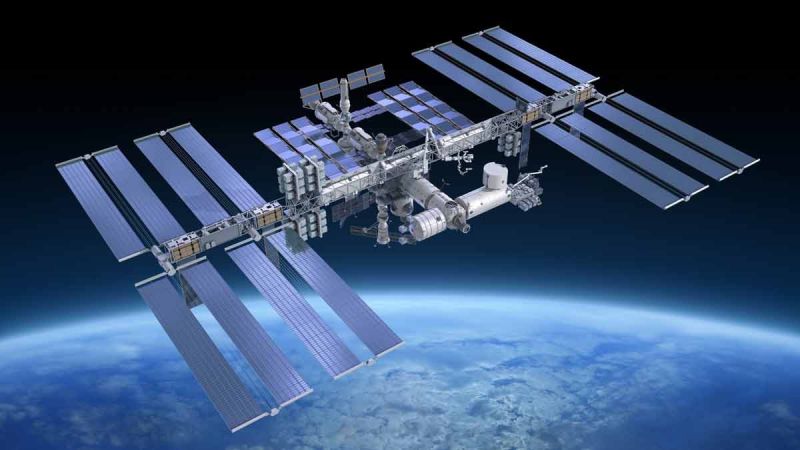
Hundreds of grape seeds from Texas are set to travel to the International Space Station in an experiment that researchers say could help them measure how cosmic radiation changes plant genetics and, over time, support the development of hardier grape varieties.
According to Moneycontrol, scientists are sending seeds from three grape varieties in what the report described as a first-of-its-kind study. The seeds will spend about six months aboard the station, where they will be exposed to space conditions, including radiation that is far stronger than what plants face on Earth.
After the mission, researchers plan to compare the space-exposed seeds and the plants grown from them with control samples kept on Earth. The goal is to identify genetic changes linked to radiation exposure and to understand whether those changes could produce traits useful for agriculture.
The project is tied to two broad aims. One is scientific: to study how cosmic radiation affects living plant material at the genetic level. The other is practical: to explore whether those changes might help researchers identify crops better suited to environmental stress, both for farming on Earth and for future food production in space missions.
Grapes were chosen because they are an economically important crop and because plant breeding often depends on finding useful variation that can improve resilience. In agriculture, breeders have long looked for traits such as tolerance to heat, drought and disease. Space exposure offers an unusual way to test whether radiation can trigger new variations that may later be studied in vineyards and research plots.
That possibility has drawn attention beyond space science. For the beverage sector, any long-term advance in grape resilience could matter because wine production depends heavily on stable yields and fruit quality in the face of rising climate pressure. If researchers eventually identify useful mutations or traits from this kind of work, it could contribute to breeding programs aimed at vines better able to handle heat, water stress or other changing conditions. That remains a potential outcome rather than a confirmed result, since the experiment is still at an early stage.
The seeds will not be evaluated only for visible differences. Researchers are expected to examine them for genetic shifts by comparing the space-flown material with grapes grown under normal terrestrial conditions. Such comparisons are central to determining whether any observed changes are linked to radiation rather than ordinary variation.
The experiment also reflects a wider push in plant science to prepare crops for harsher environments. As climate risks increase in many farming regions, researchers are testing different methods to speed up breeding and identify stronger plant lines. Space-based exposure is one of the more novel approaches because it combines microgravity and elevated radiation, conditions that cannot be fully reproduced in standard field trials.
At the same time, scientists involved in similar studies have generally treated such work with caution. Not every genetic change is useful, and many mutations can be neutral or harmful. Even if promising traits appear, they would still need years of testing before any agricultural use. In grapes, that process can be especially slow because vines take time to mature and must be assessed for both agronomic performance and fruit characteristics.
Moneycontrol reported that the Texas seeds will be compared with Earth-grown grapes after their return from orbit. That side-by-side analysis is expected to form the core of the study, helping researchers determine whether space radiation produced measurable differences and whether any of those differences deserve further investigation.
The mission comes as scientists continue looking for ways to make crops more adaptable under pressure from extreme weather and shifting growing conditions. In grapes, those concerns are especially relevant because vineyards are sensitive to temperature swings, water availability and disease patterns, all of which can affect harvest timing, berry composition and final beverage quality.
For now, the Texas seed mission is a research step rather than a commercial breakthrough. Its significance will depend on what scientists find once the seeds come back from the International Space Station and are tested against their Earth-bound counterparts.
