New Zealand’s 2026 Wine Harvest Points to a Smaller Crop
Growers said uneven weather cut yields but left many vineyards with fruit they expect to make high-quality wines
2026-05-25
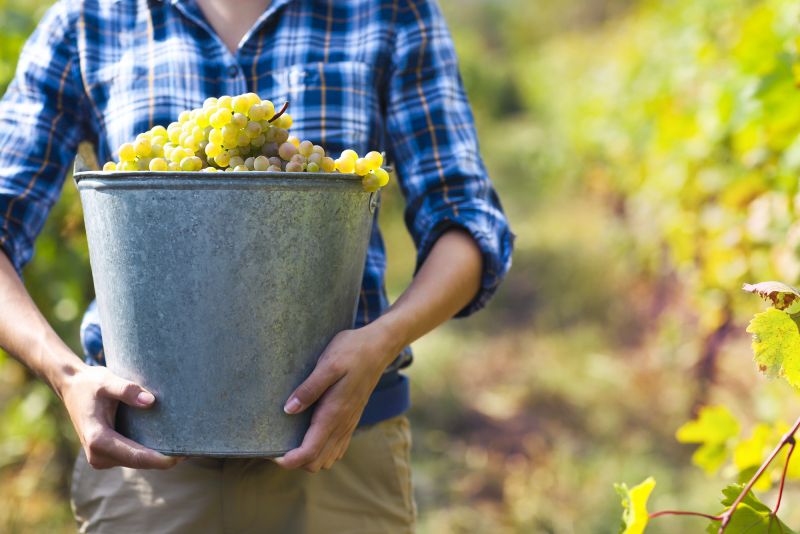
New Zealand’s 2026 wine harvest unfolded under sharply uneven weather, with a warm, mostly frost-free spring, a cool and unsettled summer that lifted disease pressure, and a dry autumn that helped many vineyards recover in time for picking. Winemakers across the country said the season produced wines they expect to rate highly, even as they also warned that total volumes are likely to come in below average after the large 2025 crop.
The report, published Monday by Jancis Robinson and based on accounts from growers and winemakers around the country, described a season that varied widely by region. Hawke’s Bay saw its earliest harvest start on record, with Chardonnay picking underway on Feb. 12. Marlborough recorded its warmest spring in more than four decades and one of its highest heat totals on record. Central Otago, by contrast, had one of its coolest and latest vintages in recent memory, with some sites still lagging deep into April.
The broad pattern was similar across much of the country: early vine growth driven by a mild spring, then a wetter summer that raised concern about rot and other disease, followed by a warm, dry autumn that allowed fruit to finish ripening. That late-season turnaround was especially important in regions where growers had been watching sugar levels, acidity and flavor development closely after the midseason rain.
The report said New Zealand’s wine industry is also under pressure from market conditions beyond the vineyard. About 90% of the country’s wine is exported, most of it Sauvignon Blanc, leaving producers exposed to weak demand in some channels, rising costs and excess inventory. In the bulk market, prices have fallen below production costs in some cases, while stronger brands have continued to grow.
That split is forcing difficult decisions for some growers and wineries, including leaving fruit unharvested, mothballing vineyards or pulling vines out altogether. The report said the market is rewarding wines with clear identity and long-term intent rather than short-term volume.
In Northland and Auckland, harvest began early and disease pressure remained a constant concern through a humid season punctuated by rain events. Chardonnay yields were down about 20% in Northland but were described as fresh and focused. At Kumeu River near Auckland, an early January hailstorm reduced yields by 10% to 15%, though winemakers said fruit quality held up well because damaged berries dried before harvest.
Hawke’s Bay stood out for warmth and speed. Warren Gibson of Bilancia said the region had an unusually early finish and called it an extremely good vintage. He said red wines should be among the strongest results of the year, with ripe tannins and good structure. Chardonnay was picked earlier than usual because of lower acidity and early-season timing.
In Wairarapa, Tim Bourne of Escarpment said the season moved from an exceptionally warm spring into a difficult middle period before ending with ideal autumn weather. He ranked 2026 as his second-best vintage in five years after 2024. Pinot Noir showed depth of color and ripe tannins, while whites kept bright acidity and texture.
Marlborough’s season was warmer and wetter than 2024 but did not turn excessive because cooler nights slowed ripening later on. Winemakers there described what they see as a classic vintage: moderate crop levels, strong flavor concentration and good acid balance. Chardonnay, Sauvignon Blanc and other aromatic varieties were said to show clarity and intensity.
Further south in Nelson/Tasman, Todd Stevens of Neudorf said the season brought an unusual diurnal shift that helped fruit ripen slowly while keeping freshness. In North Canterbury, Huw Kinch of Pyramid Valley reported lighter-than-average bunches in Pinot Noir and Chardonnay but balanced acidity and strong flavor development.
Central Otago was the outlier. A frost-free spring gave way to one of the coolest summers in more than a decade, delaying harvest by about one to two weeks. In Gibbston, cold wind during flowering caused significant millerandage and very low yields. Even so, growers said tannin ripeness and flavor development were promising, with Bannockburn and Bendigo showing their usual fruit weight but in a more restrained frame.
Across the country, the message from growers was consistent: 2026 may not be a large crop year, but it appears to be a quality year. The combination of regional weather swings, lower yields and a difficult global market is pushing New Zealand producers toward wines that emphasize place, precision and consistency rather than volume alone.
