Bordeaux Producers Recast the Region Around Lighter Wines
Estates are expanding dry whites, refreshing reds and accelerating climate adaptation as drinkers buy less alcohol and demand stronger environmental standards.
2026-07-23
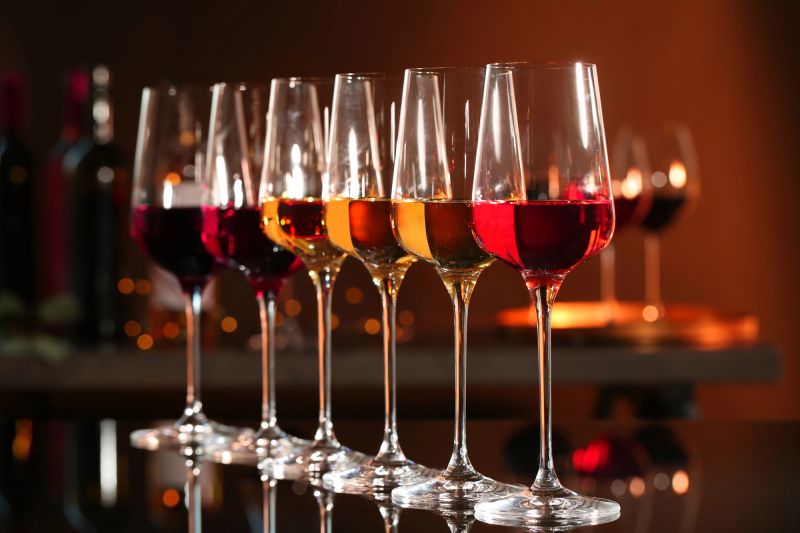
Bordeaux is reshaping its wine model as alcohol consumption falls and buyers shift toward lighter styles, lower-volume purchases and stronger environmental standards. Across the French region, producers are expanding dry whites, rethinking sweet wines for new occasions, developing fresher reds and accelerating climate adaptation in the vineyard, a broad change that could influence wine strategies well beyond southwestern France.
For generations, Bordeaux built its global identity on red blends led by Cabernet Sauvignon, Merlot and Cabernet Franc. That image still matters, especially at the top end of the market, but many estates now say it no longer reflects the full reality of the region. Dry white wine has become one of the clearest signs of that change. According to figures cited by regional producers, white grapes account for about 12% of vineyard plantings in Bordeaux, yet estates are increasing their focus on dry whites, sparkling Crémants and other styles they see as better aligned with current demand.
At Château Clarke in the Médoc, white wine has become a central example of that shift. The estate first made white wine in the late 19th century, and the cuvée Le Merle Blanc de Château Clarke was revived in 1998 after Baron Edmond de Rothschild had acquired the property years earlier. The wine is made from the four white grape varieties authorized under the Bordeaux AOC. The estate says sales have been strong enough that it is considering expanding production. Marine Babion, head of media relations at the winery, said demand exceeds supply for the allocated cuvée.
Other growers are moving in the same direction. In Côtes de Bourg, where red wine has long dominated, Château Le Piat planted Sauvignon Blanc and Muscadelle in 2024. Owner Romain Baillou sees potential for fresh, aromatic whites from the area’s limestone soils. Similar investments are appearing in other parts of Bordeaux as producers try to capture consumers looking for brighter and more approachable wines.
Sweet wines are also being repositioned rather than abandoned. In Sauternes and neighboring appellations, estates are trying to move these wines beyond their traditional role at the end of a meal. At Château d’Arche near Sauternes, commercial director Damien Cressot said demand for Sauternes in cocktails is being driven by consumers and younger mixologists willing to use the category in new ways. Last October, the estate worked with Nektar, a bar in Bordeaux, on a week-long program and master class focused on cocktails made with Sauternes. Producers say efforts like that, along with updated packaging and more targeted communication, are helping introduce sweet Bordeaux to younger drinkers.
Nearby in Sainte-Croix-du-Mont, Château La Rame is making a similar argument from a different price point. Its Gourmandise sweet wine is produced from 100% botrytized, hand-harvested Sémillon grown on clay-limestone soils above the Garonne. Co-owner Olivier Allo said the goal is to present Bordeaux sweet wines not only with dessert but also as aperitif wines or pairings for seafood, lobster, spicy dishes, blue cheese, foie gras and fruit desserts. He described freshness, authenticity and accessibility as key expectations among today’s consumers.
Red wine remains central to Bordeaux, but producers are adjusting style as well as message. Alongside age-worthy classified growths and established labels, a growing number of estates are promoting lighter reds with less extraction and more immediate drinkability. The idea is not to replace classic Bordeaux but to widen its audience and create more occasions for drinking it.
Maison Sichel, founded in 1886, is among the houses pushing that approach. Alexander Sichel has drawn attention for Ocha, a delicate red named after the Japanese word for tea. Made with short maceration and whole-bunch fermentation, it has found placements in bars in Bordeaux and on restaurant lists in Britain. Sichel has described it as part of a new face of Bordeaux aimed at younger consumers who want aromatic and contemporary wines.
At the same time, his brother Max Sichel is working on a separate project called César that aims to make highly regarded Bordeaux wines more accessible through a single label bringing together award-winning bottlings at lower prices. The concept reflects another pressure shaping the region: many consumers are drinking less overall but paying closer attention to value when they do buy wine.
That tension between tradition and reinvention runs through much of Bordeaux today. Producers such as Olivier Cazenave of Château de Bel have built portfolios that include easy-drinking claret, single-varietal wines and less conventional expressions such as solera-style Cabernet Franc. Cazenave has argued that Bordeaux’s future depends on innovation without losing regional identity, with style decisions guided more by vineyard conditions than by rigid expectations about what Bordeaux should taste like.
The changes in the cellar are happening alongside a faster shift in farming practices. Over the past decade, Bordeaux has expanded environmental certification across much of its vineyard area. More than 75% of vineyards in the region are now certified under an environmental scheme, according to figures cited by producers and trade groups active there. Organic vineyard area has also grown quickly in recent years.
The work covers biodiversity programs, lower chemical inputs, water management and carbon reduction efforts. Growers are testing rootstocks, using cover crops and mapping mesoclimates to identify cooler zones that may be better suited to future conditions. They are also experimenting with new grape varieties under limited planting and blending rules designed to assess how those grapes perform as temperatures rise.
One major focus is disease-resistant and later-ripening varieties that could reduce pesticide use by as much as 90% while helping vineyards cope with climate change. That matters not only for Bordeaux but potentially for other European wine regions facing similar pressures from heat, drought and changing consumer behavior. If these trials succeed commercially as well as agronomically, they may offer a model for producers across the beverage sector who are trying to balance heritage products with new market realities.
Some initiatives already go beyond standard certification programs. Vignobles Gabriel & Co., a collective of 34 growers focused on ethical wine production, became in 2020 the first operator in France’s wine sector to receive Fair for Life certification. Pauline Réaud, marketing and communications officer for the group, said the accreditation showed that a fair-trade approach could work for a collective of independent growers in France.
Other estates are using practical methods tailored to local conditions. At George 7 in Fronsac, winemaker Sally Evans uses olive skins from oil production to feed flies and then applies the resulting waste as fertilizer intended to help vines resist mildew. At Château Clarke, sheep are used in spring as part of frost protection efforts; the estate says they helped raise temperatures by 2°C this year. At Château d’Arche, thousands of trees have been planted to support birds and bats that can help control insect pests without chemicals.
Taken together, these moves show a region trying to respond on several fronts at once: weaker red wine demand in some markets, lower alcohol consumption overall, pressure on prices, climate risk and changing ideas about when and how wine is consumed. For beverage producers watching from outside Bordeaux, the significance may be broader than one French region’s repositioning. The shift suggests that future growth may depend less on defending legacy categories alone than on offering more styles, clearer value and stronger proof of environmental adaptation.
Bordeaux still trades heavily on its history and prestige. But across appellations better known for red blends or noble sweet wines, many producers now appear less interested in preserving old assumptions than in proving that one of Europe’s most established wine regions can change quickly when market conditions demand it.
