France begins its earliest grape harvest on record
Extreme heat and drought pushed vineyards from Fitou to Champagne weeks ahead of historical picking dates for the 2026 vintage
2026-07-20
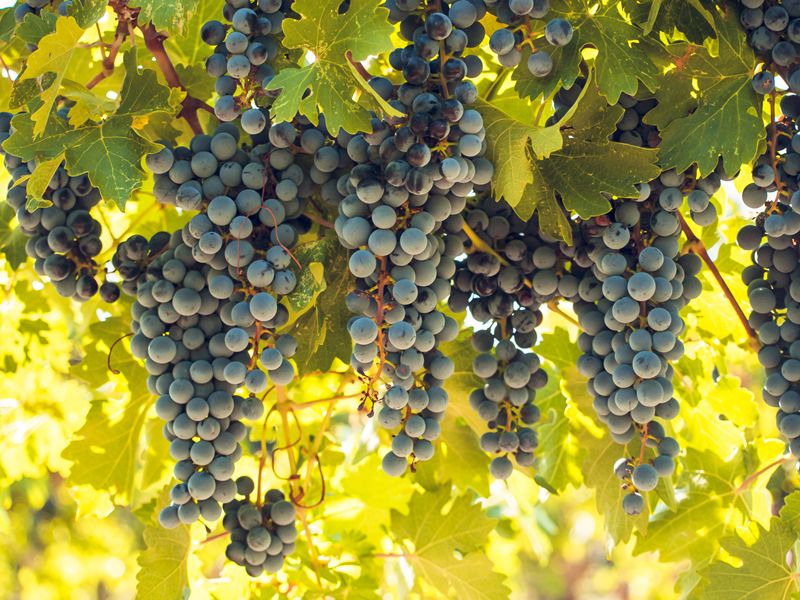
France’s 2026 grape harvest has begun at its earliest point on record, as extreme heat and drought push vineyards from the Mediterranean coast to Alsace and Bordeaux toward picking dates one to two weeks ahead of last year and far earlier than historical norms.
The first grapes were cut on July 15 in Fitou, in the Aude department of southern France, according to La Revue du vin de France. Laurent Maynadier, who runs Domaine Champ des Sœurs, started with a parcel of muscat à petits grains. In many French regions, growers are now preparing for harvests that could begin in early or mid-August instead of late August or September.
In Champagne, industry officials told the magazine they are preparing for an early harvest, possibly around Aug. 15, roughly two weeks ahead of schedule and well before the usual start in early September. In Alsace, Gilles Ehrhart, president of the Association of Alsace Winegrowers, said a decision would follow a meeting set for Aug. 17, but that the first cutting could come as soon as Aug. 18. He said that date is far from the Sept. 15 to Sept. 20 window that was standard three decades ago.
In the Aude, growers say the season had been running about 15 days ahead of last year at the start of July, though intense heat and wind have since slowed ripening somewhat. Marc Vera, president of the La Vigneronne cooperative winery in Canet d’Aude and head of the Aude territorial committee for Occitanie’s cooperative winegrowers, said the region is now about one week ahead of last year. Harvesting machines there are expected to begin work in the first week of August, or even at the end of July for lower-alcohol juice production.
Vera said the shift has been dramatic over time. Twenty-five years ago, he said, Chardonnay in his area was harvested in late August or early September. Now picking before Aug. 15 has become common.
In Bordeaux, Charles Savigneux, who oversees 35 hectares split between Château d’Eyran in Pessac-Léognan and Château Bastian in Bordeaux appellation land near Auros, said his estates usually harvest later than many others but still expect to move up by about two weeks this year. He said white grapes could be picked between Aug. 15 and Aug. 20, while reds may be harvested around Sept. 5 instead of around Sept. 20.
Growers across regions say the next several weeks will be critical because véraison, the stage when grapes change color and ripening accelerates, is underway. Savigneux said winter rains had left strong water reserves in Bordeaux soils, but those reserves are now nearly exhausted. Without rain and with persistent heat, he warned that ripening could stall, leaving smaller berries and reducing what had looked like a promising crop.
That concern is spreading across French vineyards. In southern France, abundant winter rainfall had raised hopes for a strong harvest after difficult seasons. But with daytime highs still near or above 95 degrees Fahrenheit in many areas, growers say visible damage is now appearing in some plots.
Jean-Marie Fabre, a winegrower in Fitou and national president of France’s independent winegrowers federation, told the magazine that some parcels are showing early leaf loss and burn marks on many grape clusters. If extreme heat continues, he said, it could leave a lasting mark on the vintage by preventing some grapes from reaching full maturity.
Alsace producers report similar stress. Ehrhart said vineyards there looked healthy earlier in the season, with strong cluster formation, but have changed sharply because of heat and lack of rain. He said berries have become very small in some places, sometimes no larger than peppercorns or peas.
Before the latest heat wave intensified, harvest forecasts in Alsace had pointed to as much as 800,000 hectoliters, already down 20% from normal levels. Ehrhart said output could fall further if rain does not arrive soon.
The pressure is not only agronomic but logistical. Vera said his cooperative had already reorganized summer schedules because an early harvest had become likely weeks ago. Cellar staff took vacations in July rather than during the traditional mid-July to mid-August period, and all workers are expected back during the first week of August.
In Alsace, recruitment for roughly 25,000 harvest workers has already started one week earlier than usual. That adjustment reflects how quickly vineyard calendars are shifting under repeated summer heat events.
Some regions are also facing another threat: hail. According to the report, parts of Ardèche, Médoc, Vouvray and Cognac have suffered losses so severe on certain parcels that hopes for any harvest there have disappeared.
For the beverage sector, the developments matter beyond farming calendars. Earlier picking can alter grape balance and alcohol levels, while heat damage and smaller berries can reduce volumes available for still wines and sparkling wines alike. If drought and hail continue to cut yields in key French regions, wineries may face tighter supply for the 2026 vintage and more pressure on production planning across export markets.
The current season adds to a longer trend that French growers say is becoming harder to ignore: harvest dates are moving steadily forward as hotter summers reshape vineyard conditions across some of Europe’s most important wine regions.
