Wine Tourism Gains Ground in Spain
Wineries Turn Tastings and Visits Into a Growing Source of Revenue
Friday, April 17, 2026
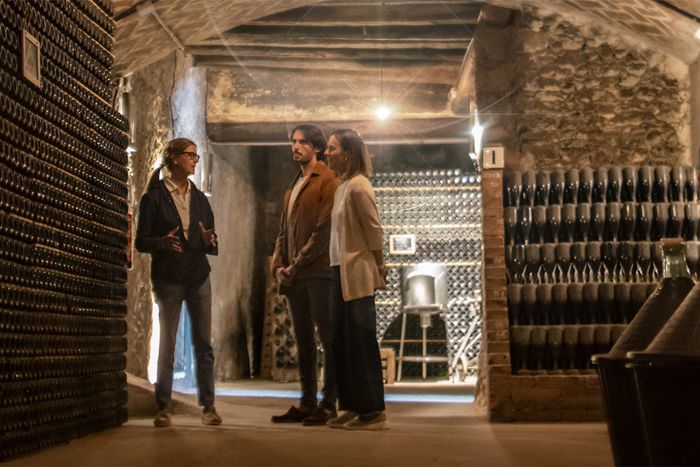
Wine tourism is gaining ground in Spain as more travelers look for trips built around landscape, food and local culture, rather than wine alone. The trend was highlighted at the seventh edition of FINE 2026, a wine tourism fair held in Valladolid, where industry participants said the sector is becoming one of the country’s strongest draws for visitors.
The shift is supported by data from a report by Geisenheim University based on more than 1,300 wineries in 47 countries. It found that 88% already offer tourism activities and that, in the most advanced projects, tourism accounts for an average of 25% of revenue. That figure points to a business model in which visits, tastings, events and related services are no longer secondary offerings but a meaningful source of income.
In Spain, the appeal of wine tourism is also tied to broader travel patterns. Gastronomic tourism, in which wine plays a central role, drew nearly half a million international tourists in 2025, according to the information presented around the event. For many visitors, the wine experience is now part of a wider itinerary that includes regional cuisine, heritage sites and rural destinations.
Operators in the sector say the next stage will depend on making those experiences easier to book and more visible online. Digitalization, real-time reservations and more personalized offers are among the priorities as wineries and destinations try to meet demand from travelers who want authenticity, sustainability and access to inland areas that are often outside Spain’s main coastal routes.
The growing interest comes as Spanish regions compete to attract higher-value tourism and spread visitor spending beyond major cities. For wineries, that means adapting cellars, vineyards and hospitality spaces to welcome guests year-round while keeping the focus on local identity and place.