Sotheby’s Will Auction Rare 1870 Château Lafite Magnums
The bottles from a Scottish castle are expected to draw intense interest from collectors of historic wine.
2026-04-20
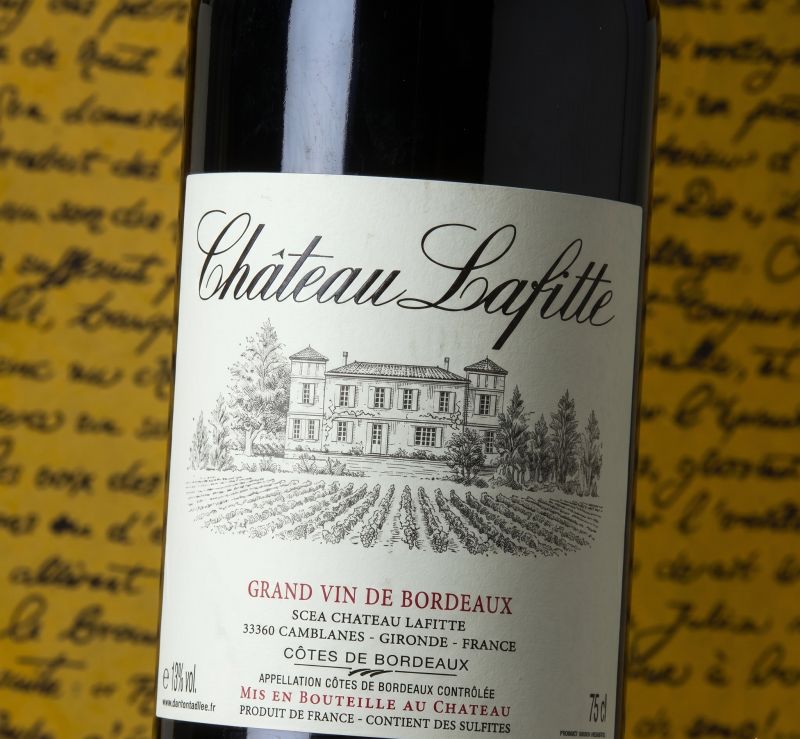
Two magnums of Château Lafite 1870, found in the cellar of a Scottish castle and preserved in unusually good condition, are set to go under the hammer at Sotheby’s in New York on Friday in a sale that is drawing intense interest from collectors of rare wine.
The bottles, each estimated at $50,000, come from Glamis Castle, a large estate in northeastern Scotland that was home to Queen Elizabeth, the Queen Mother, and the birthplace of Princess Margaret. Sotheby’s said the two magnums were discovered in the castle’s cellars in the 1970s and have a documented chain of ownership that adds to their appeal. The auction house expects the full sale, titled “Immortal Vintages,” to bring in more than $1 million across more than 250 lots.
What makes the bottles stand out is not only their age but also their condition. Sotheby’s said the fill levels remain remarkably stable, the corks are in good shape and there are no visible signs of oxidation. For wines from 1870, that level of preservation is unusual. Most bottles from that era have deteriorated over time and are no longer suitable for drinking.
The 1870 vintage also carries historical weight. It predates the phylloxera crisis that devastated European vineyards and forced a broad replanting of vines on grafted rootstocks. That means these bottles reflect a style of winemaking that disappeared as vineyards were rebuilt in the early 20th century.
Château Lafite has long been one of Bordeaux’s most sought-after names, but magnums from 1870 almost never appear on the market. Sotheby’s said they surface only once or twice a decade, and almost never in this format. Their rarity has made the Glamis bottles a benchmark among collectors who follow old Bordeaux.
The auction is expected to attract two kinds of buyers: those focused on provenance and preservation, and those willing to open a bottle for what would amount to a singular tasting experience. For some collectors, the appeal lies in owning a piece of wine history. For others, it is the chance to drink a wine made before modern viticulture took shape.

Founded in 2007, Vinetur® is a registered trademark of VGSC S.L. with a long history in the wine industry.
VGSC, S.L. with VAT number B70255591 is a spanish company legally registered in the Commercial Register of the city of Santiago de Compostela, with registration number: Bulletin 181, Reference 356049 in Volume 13, Page 107, Section 6, Sheet 45028, Entry 2.
Email: [email protected]
Headquarters and offices located in Vilagarcia de Arousa, Spain.