Non-Alcoholic Wines Gain Spotlight at Wine Paris as Industry Embraces Changing Tastes
Producers innovate to meet surging demand for alcohol-free options, challenging traditional norms and attracting major investment.
2026-02-16
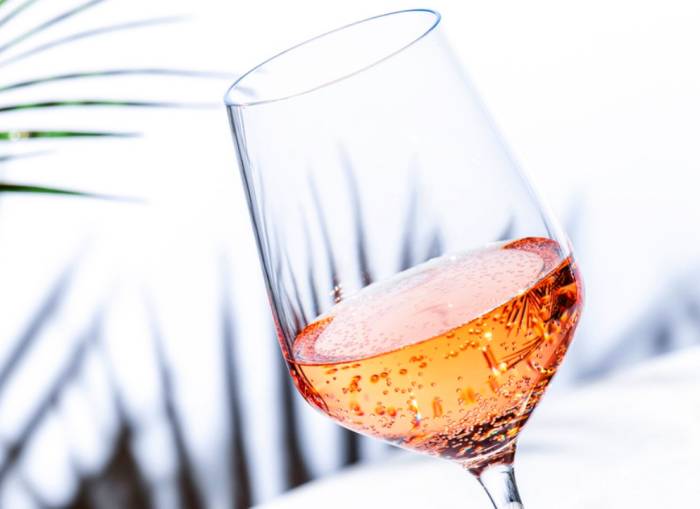
At the Wine Paris industry fair this week, non-alcoholic and low-alcohol wines and spirits were given their own dedicated space for the first time, signaling a shift in the global wine industry. Bertrand Degat, vineyard manager for French Bloom, a French zero-alcohol wine producer, described the skepticism and criticism he has faced from peers. “Whatever you do, you’re judged,” Degat said. He noted that even close friends initially refused to taste his company’s products. Despite lingering doubts about the complexity and taste of non-alcoholic wines compared to traditional varieties, attitudes are changing.
French Bloom, which launched in 2021, has seen rapid growth. The company now owns a vineyard in southwest France and sells a premium sparkling white wine for more than €100 ($118) per bottle. French Bloom expects to sell one million bottles this year and has attracted investment from luxury conglomerate LVMH. The brand is also the official non-alcoholic sparkling wine sponsor of Formula One motor racing.
The rise of non-alcoholic wine comes as the broader French wine sector faces significant challenges. Some traditional producers are removing vines to plant olives or apricots due to declining demand. In contrast, non-alcoholic winemakers are experiencing strong sales growth. Mathilde Boulachin, founder of Chavin, another leading French brand, said there is a steady decline in alcohol consumption both in France and globally. “We’re here to support responsible drinking, offering different alternatives for all consumers who want another option,” Boulachin said.
The market for non-alcoholic wine extends beyond younger generations who drink less than their parents. It also includes pregnant women, health-conscious consumers, and people who avoid alcohol for religious reasons.
Most no- or low-alcohol wines use a de-alcoholization process that heats the wine under vacuum conditions to evaporate the alcohol at low temperatures. However, this process often removes many important aromas, leading some producers to add artificial or natural flavors or sugar to compensate. The result can be wines that lack depth and linger less on the palate.
Paul Schaafsma of UK-based Benchmark Drinks addressed these challenges at an event during Wine Paris. He said that for years, non-alcoholic wines have disappointed consumers because they were always seen as a compromise. Benchmark Drinks produces no-alcohol wines for celebrity brands like Elton John and Kylie Minogue using a different method: grape juice is fermented with bacteria that do not produce alcohol, and Chinese green tea is added for complexity and tannins. Schaafsma acknowledged that purists may not consider these products true wines but pointed out that over one million bottles of Kylie Minogue sparkling rosé have been sold.
Innovation was on display at Wine Paris, with several companies presenting tea-based drinks packaged like wine. Johannes Trautwein from German producer Trautwein said products need to have profiles close to wine—mature, complex, and layered—to appeal to consumers seeking alternatives.
Martynas Zemavicius founded Acala in Lithuania after struggling to find satisfying non-alcoholic options when his wife became pregnant 12 years ago. “We bought every single non-alcoholic wine we could find, and every single one we poured down the sink,” he recalled. Acala now produces tea-based drinks designed to mimic the minerality, pH level, and sugar content of wine. Zemavicius believes that while some good non-alcoholic wines exist today, most still lack structure, balanced acidity, tannins, and complexity.
As consumer preferences shift toward healthier lifestyles and responsible drinking habits, producers are investing in new techniques and products to meet demand. The search for quality in non-alcoholic wine continues as the sector grows rapidly alongside changing attitudes within the industry and among consumers worldwide.
