Wine Experts Clash Over Organic Certification as Prerequisite for Regenerative Viticulture
Debate at French forum highlights calls for flexibility in sustainable winegrowing as climate change and new regulations reshape industry standards
2026-02-05
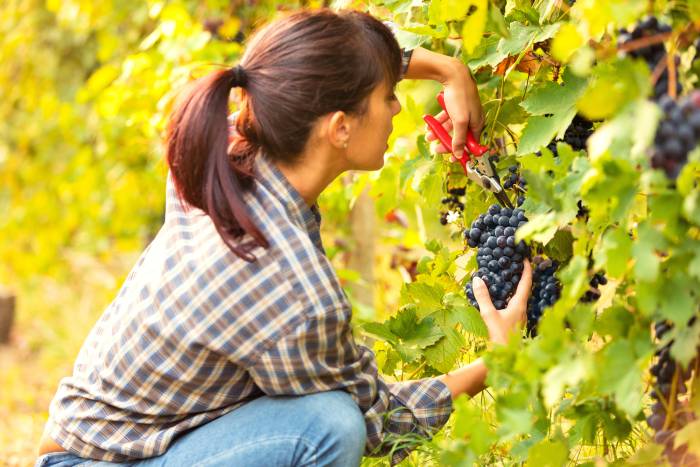
A debate is intensifying within the regenerative viticulture movement as leading figures question whether organic certification should be a prerequisite for regenerative practices. The issue came to the forefront at a recent forum hosted by Domaine Lafage in Roussillon, France, where wine writer and viticulture expert Jamie Goode criticized the approach of tying regenerative certification to organic status. Goode argued that such requirements risk turning regenerative viticulture into “a small, fancy club,” accessible only to a select group of producers. He specifically called out the Regenerative Organic Certification (ROC) system, the largest U.S.-based body, for its insistence on organic certification as a baseline.
The forum, held at Mas Miraflors near Perpignan, brought together growers, researchers, and certification bodies to discuss how Mediterranean vineyards can adapt to climate change. Domaine Lafage, which has implemented regenerative methods across its vineyards, recently chose certification through A Greener World, a non-profit that does not require organic status. Other organizations such as Regenified and Napa Green also offer regenerative certification without mandating organic conversion.
Regenerative viticulture has gained momentum in recent years, especially in California and southern France. The approach focuses on improving soil health and increasing organic matter through techniques like cover cropping, mulching, integrating livestock, and minimizing tillage. In January 2025, the Regenerative Viticulture Foundation (RVF) launched its One Block Challenge in Paso Robles, encouraging local growers to experiment with regenerative methods on a small scale. Around 50 growers are participating in these trials. The RVF aims for 10% of global viticulture to adopt regenerative practices by 2035.
RVF trustee Justin Howard-Sneyd addressed the forum and emphasized that the foundation does not take a position on organic certification. He noted that while organic methods may be suitable in some regions, they are not universally applicable due to local conditions. Goode echoed this sentiment, calling for flexibility and local adaptation rather than rigid adherence to organic standards.
Wayne Copp, Executive Director of A Greener World and an experienced organic farmer from Devon, England, also spoke at the event. Copp argued that environmental challenges require immediate action and that farmers need options beyond traditional organic regimes. His organization works with growers to develop five-year plans for adopting regenerative methods and conducts regular inspections. Copp stressed the importance of inclusivity in order to achieve widespread change.
Domaine Lafage’s experience highlights both the opportunities and challenges of regenerative viticulture. The estate previously achieved organic certification for 66 hectares but abandoned efforts to convert additional plots after losing two vintages in a mildew-prone Grenache vineyard near the sea. Owner Jean-Marc Lafage explained that full organic conversion was not feasible across all sites but said he is comfortable with regenerative practices. The estate is now certified by both A Greener World and the Regenerative Viticulture Alliance.
Implementing regenerative methods has required significant investment at Domaine Lafage. Changes include new drainage systems, purchasing biochar for soil improvement, and building a facility for treating winery wastewater using vermiposting with worms. Antoine Lespès, the estate’s research director, detailed these costs at the forum and described the process as “reconstruction of ecosystems.”
Interest in regenerative farming is growing among French wine producers. Last year’s open day at Domaine Lafage attracted about 80 growers from across France, including Champagne. The region’s severe water shortages have made soil health a priority; Roussillon saw no rain from mid-June to mid-October last year. Professor Alain Deloire of Montpellier’s SupAgro research institute presented findings showing that regenerative practices can improve soil water retention and delay drought stress in vines by up to a month.
The shift toward regenerative methods comes as French organic producers face new challenges following a decision by food safety authority Anses last September to ban most powdered copper-based pesticides due to worker safety concerns. Copper fungicides are a mainstay for organic growers combating downy mildew. Howard-Sneyd suggested that France’s move could signal future European Union policy changes and argued that regenerative approaches offer a more holistic solution than focusing solely on input restrictions.
The symposium at Domaine Lafage featured presentations from leading researchers and practitioners who shared five years of data on adapting Mediterranean viticulture to climate change through regenerative agriculture. As interest grows and more producers seek alternatives to traditional organic certification, the debate over how best to define and certify regenerative viticulture is likely to continue shaping the future of sustainable winegrowing worldwide.

Founded in 2007, Vinetur® is a registered trademark of VGSC S.L. with a long history in the wine industry.
VGSC, S.L. with VAT number B70255591 is a spanish company legally registered in the Commercial Register of the city of Santiago de Compostela, with registration number: Bulletin 181, Reference 356049 in Volume 13, Page 107, Section 6, Sheet 45028, Entry 2.
Email: [email protected]
Headquarters and offices located in Vilagarcia de Arousa, Spain.