New Zealand Winegrowers Embrace Regenerative Viticulture to Revitalize Vineyards
Growers adopt soil-building and biodiversity-boosting practices as industry shifts focus from sustainability to ecosystem renewal and resilience.
2026-01-28
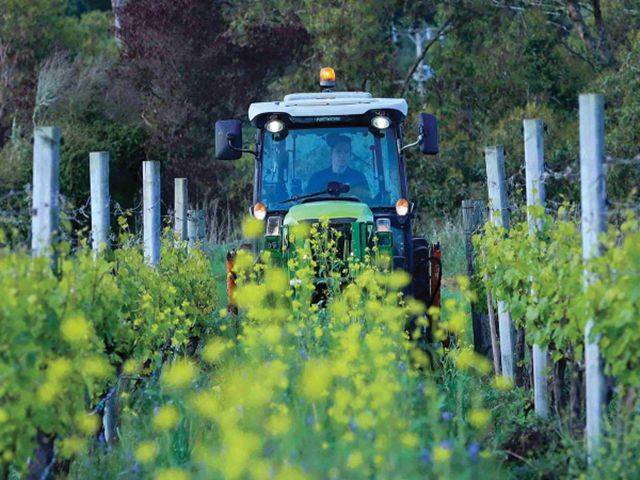
In New Zealand, a growing number of winegrowers are moving beyond traditional sustainability and embracing regenerative viticulture. This approach aims not just to minimize environmental harm but to actively improve the health of vineyard ecosystems. The concept, often called “regen vit,” draws from regenerative agriculture, which focuses on building soil health, increasing biodiversity, and restoring natural cycles. While the definition of regenerative viticulture is still evolving, its core goal is clear: to leave vineyards better than they were found.
Regenerative practices in New Zealand vineyards include planting multi-species cover crops, reducing or eliminating tillage, integrating livestock such as sheep and cattle, and encouraging native plants and insect life. These methods are designed to create biologically active soils that support healthier vines and help vineyards withstand climate extremes.
Industry leaders say the appeal of regenerative viticulture lies in its flexibility. Unlike organic or biodynamic farming, there is currently no formal certification for regenerative vineyards in New Zealand. This allows growers to adapt practices to their specific sites and needs. Dr. Jamie Goode, a British author who spoke at Pinot Noir New Zealand 2025, notes that this inclusivity has attracted many growers who might not have considered organics. He describes regenerative viticulture as an “intelligent application of a toolkit of interventions,” rather than a strict checklist.
However, the lack of certification has raised concerns about greenwashing—when businesses claim environmental benefits without meaningful action. Dr. Ed Massey, General Manager Sustainability at New Zealand Winegrowers, acknowledges that certification is becoming more important for market access but says there is room for both Sustainable Winegrowing New Zealand (SWNZ) certification and regenerative practices to coexist. SWNZ Programme Manager Meagan Littlejohn adds that while there are no current plans to add regenerative criteria to the SWNZ framework, there is alignment in areas such as soil health.
Some vineyards have already made significant changes. At Te Mata Estate in Hawke’s Bay, viticulturist Brenton O’Reilly led a review of organic, biodynamic, and regenerative practices before rolling out trial blocks across different sites and varieties. Over four years, Te Mata has moved away from herbicides under vines, invested in custom mowers and crimp rollers, and tailored cover crop mixes to specific vineyard blocks. Highland cattle and composting are now part of their system. Senior Winemaker Phil Brodie reports improvements in fruit quality and resilience during difficult vintages.
In Marlborough, Lowlands Wines applies principles such as minimizing soil disturbance, maintaining living roots year-round, boosting biodiversity, and integrating livestock. Robert Holdaway, who returned to the family business after ecological research abroad, says their 1,500 merino sheep play a key role in fertility and frost protection. The vineyard avoids synthetic nitrogen and is experimenting with zero-herbicide blocks. Holdaway notes that while costs are similar to previous systems, the main goal is improved vine health and wine quality.
Te Whare Ra’s Anna and Jason Flowerday have used regenerative methods for two decades to revive old vines others thought unsalvageable. Their approach centers on cover crops, composting with cow manure, and permanent diverse mid-row covers grazed by livestock. Anna Flowerday believes true regeneration requires organic practices as well—without herbicides. Their efforts have increased soil organic matter from 2% to about 7%, improving water retention and resilience during droughts.
Nick Gill of the Regenerative Viticulture Foundation emphasizes that regeneration is context-specific and relies on understanding local conditions. At Greystone Wines in Waipara, where he previously worked, the team uses cover crops, companion planting, canopy management for disease control, and native plantings for biodiversity. Gill encourages growers to experiment with regenerative methods on a single block before expanding.
Felton Road in Central Otago has practiced organic and biodynamic farming for over 20 years but continues to adapt with new regenerative techniques like crimping cover crops and integrating livestock for soil enrichment. Estate Manager Gareth King supports the idea of a dedicated standard for regenerative viticulture that would encourage reduced chemical inputs.
At Aotearoa New Zealand Fine Wine Estates (AONZ), Nick Paulin uses simple demonstrations—like burying cotton underwear in different vineyard blocks—to show how diverse cover crops improve soil health through faster decomposition rates. AONZ combines certified organic practices with their own regenerative reporting measures such as soil tests and worm counts.
Despite the lack of formal standards or certification schemes for regenerative viticulture in New Zealand so far, many growers see it as a logical next step for the industry. They argue that regeneration offers practical benefits: healthier soils, greater resilience against climate challenges, improved fruit quality—and ultimately better wines. As more producers adopt these methods or experiment with them on parts of their vineyards, New Zealand’s wine industry may be entering a new era focused on renewal rather than just preservation.

Founded in 2007, Vinetur® is a registered trademark of VGSC S.L. with a long history in the wine industry.
VGSC, S.L. with VAT number B70255591 is a spanish company legally registered in the Commercial Register of the city of Santiago de Compostela, with registration number: Bulletin 181, Reference 356049 in Volume 13, Page 107, Section 6, Sheet 45028, Entry 2.
Email: [email protected]
Headquarters and offices located in Vilagarcia de Arousa, Spain.