Packamama’s Eco-Flat Wine Bottles Cut Emissions by 56% With $1 Million Australian Grant
New partnership with Avantium brings plant-based, fully recyclable packaging to global wine industry amid push for sustainability
Tuesday, January 20, 2026
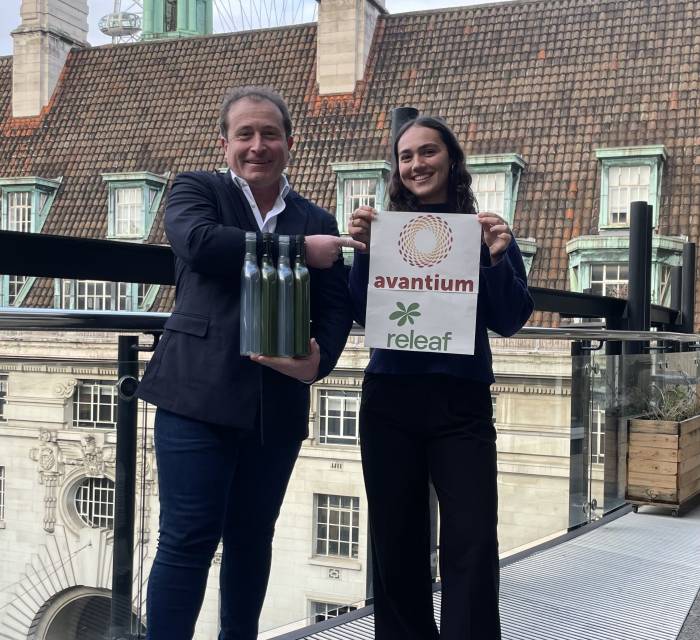
Packamama, a UK-Australian company specializing in climate technology and packaging, has secured a $1 million grant from the Australian Government’s Business Research and Innovation Initiative (BRII). The funding was awarded as part of the BRII’s Alternative Packaging for Australian Wine challenge, which aims to support innovative solutions that reduce the environmental impact of wine packaging. The announcement comes just over a month after Packamama received the grant and marks a significant step forward for the company’s efforts to develop sustainable packaging for the global wine industry.
Shortly after receiving the grant, Packamama revealed its first major international partnership with Avantium, a Dutch company known for developing plant-based polymers. The two companies have entered into a capacity reservation agreement for Avantium’s Releaf polymer, a recyclable material made entirely from plants. By combining Avantium’s material with Packamama’s expertise in designing low-emission wine bottles, the partnership aims to accelerate the development and adoption of low-carbon packaging solutions across the wine sector.
Santiago Navarro, founder and CEO of Packamama, said that finding a material that meets both performance standards and sustainability requirements has been a key goal for the company. He stated that Releaf offers high performance, environmental responsibility, and strong consumer appeal. Bineke Posthumus, Commercial Director at Avantium, described Packamama as an ideal partner due to its innovative approach to wine packaging and commitment to sustainability. She expressed optimism about working together to advance sustainable packaging options.
The BRII grant was awarded following a competitive process that included six feasibility studies. Packamama was one of two recipients selected for proof-of-concept funding. The other recipient was Wine One’s EcoSteel Wine Bottle project, which is developing a standardized stainless steel wine bottle designed to reduce emissions by up to 74% while maintaining wine quality. Both projects received $1 million each in late 2025 to further their development.
A 2025 life cycle assessment by the Australian Wine Research Institute’s Affinity Labs found that Packamama’s bottles can reduce emissions by up to 56%. Exporting wine in these bottles produces 32% less carbon dioxide compared to bulk export methods. The company’s eco-flat bottles are made from recycled PET combined with performance-enhancing additives. This design offers savings in space, weight, and energy use, resulting in more than half the emissions of traditional glass bottles.
Packamama operates across several countries including the UK, Australia, Belgium, South Africa, and is planning expansion into the United States. Its goal is to provide practical and scalable solutions for producers and retailers seeking to lower their carbon footprint. The recent funding and partnership with Avantium are expected to help accelerate these efforts and support broader adoption of sustainable packaging in the wine industry.
The BRII’s Alternative Packaging for Australian Wine challenge reflects growing pressure on the wine sector to address its environmental impact. By supporting projects like those from Packamama and Wine One, the Australian Government aims to encourage innovation in materials, design, and technology that can protect both wine quality and the environment.