Gen Z Alcohol Spending Matches Millennials Despite Sober Reputation, Study Finds
Shift from strict abstinence campaigns to personal choice and moderation reshapes drinks industry messaging in 2026
2026-01-08
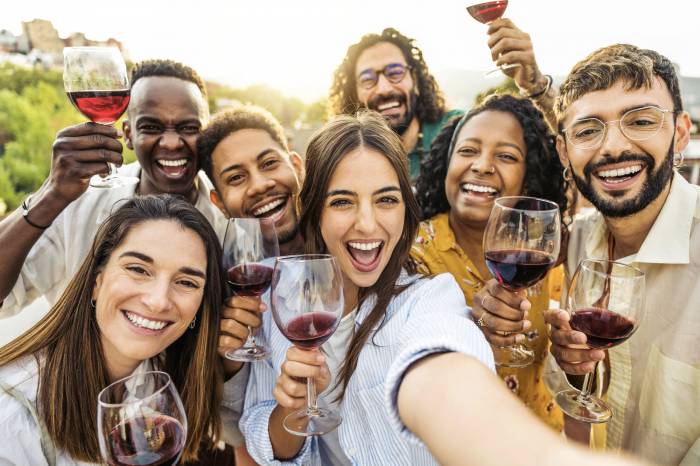
Throughout 2025, the drinks industry saw a strong push toward moderation and abstinence. Campaigns promoting no- and low-alcohol options became widespread, often presented as the healthier or more virtuous choice. Health-focused messaging dominated advertising and public discourse, with younger generations, especially Gen Z, frequently described as turning away from alcohol altogether. The tone of these campaigns sometimes shifted from encouraging moderation to imposing restrictions, leaving little room for personal preference.
As 2026 begins, there are signs that attitudes are changing. Instead of strict rules about drinking, many consumers are seeking a more balanced approach. This shift is not about returning to excess but about allowing individuals to make their own choices without judgment. The context for this change includes ongoing political uncertainty, economic challenges, and rapid technological developments. In such an environment, people are questioning rigid expectations about how they should eat, socialize, and drink.
A recent example comes from France, where the organization Vins et Sociétés launched “French January.” Unlike campaigns that promote abstinence, French January encourages people to enjoy life in their own way. The campaign welcomes both those who choose to drink and those who do not, emphasizing conviviality and respect for individual decisions. It supports moderation and health guidelines but rejects the idea that abstaining from alcohol is inherently superior or that enjoyment needs justification.
This approach echoes earlier debates in France. In 2021, oncologist David Khayat argued that constant denial can harm self-esteem and advocated for balance rather than strict prohibition. He warned against adopting what he called imported “diktats” that prioritize restriction over enjoyment.
The conversation around Gen Z’s drinking habits has also been oversimplified. While it is true that Gen Z drinks less than previous generations at the same age, research by Rabobank analyst Bourcard Nesin suggests that economic factors and life stage play a larger role than moral or health concerns. Many young people have less disposable income or fewer opportunities to drink socially. When their spending on alcohol is measured as a share of income, it matches that of millennials at similar ages. The narrative that Gen Z is uniformly sober does not reflect the full picture.
This desire for flexibility extends beyond alcohol consumption. Writer Oliver Burkeman recently noted in The Guardian that society’s focus on self-improvement and restriction has become exhausting for many people. He suggested that instead of constantly trying to optimize themselves, people might benefit from simply enjoying life more. This perspective resonates with consumers who feel overwhelmed by messages telling them how to live.
For the drinks industry, these trends present both challenges and opportunities in 2026. No- and low-alcohol products remain important for those who want them, but the industry may need to move away from framing these options as morally superior or as the only responsible choice. Instead, there is growing support for an approach based on personal responsibility and informed decision-making.
This means recognizing that pleasure and enjoyment are valid reasons to drink responsibly and that adults can be trusted to make their own choices without constant oversight. It also means avoiding stereotypes about younger consumers and acknowledging the diversity of preferences within every generation.
As 2026 unfolds, the industry faces a chance to reset its messaging. Rather than dictating how people should drink—or not drink—it can encourage conscious choices without pressure or stigma. In a year symbolized by freedom and momentum in the Chinese zodiac, this could be a fitting time to allow more space for authenticity in how people enjoy food and drink together.
The broader cultural movement appears to be shifting away from strict prohibition toward a more balanced view of pleasure and responsibility. For many consumers, this means embracing choice over restriction and finding satisfaction in moderation rather than in extremes. The drinks industry will need to adapt if it wants to remain relevant in this changing landscape.

Founded in 2007, Vinetur® is a registered trademark of VGSC S.L. with a long history in the wine industry.
VGSC, S.L. with VAT number B70255591 is a spanish company legally registered in the Commercial Register of the city of Santiago de Compostela, with registration number: Bulletin 181, Reference 356049 in Volume 13, Page 107, Section 6, Sheet 45028, Entry 2.
Email: [email protected]
Headquarters and offices located in Vilagarcia de Arousa, Spain.