Only 17% of Wine Companies Can Respond to Supply Chain Disruptions Within 24 Hours
Digital skills shortages and complex logistics slow industry adaptation as climate risks and counterfeiting drive urgent need for transparency
2025-12-17
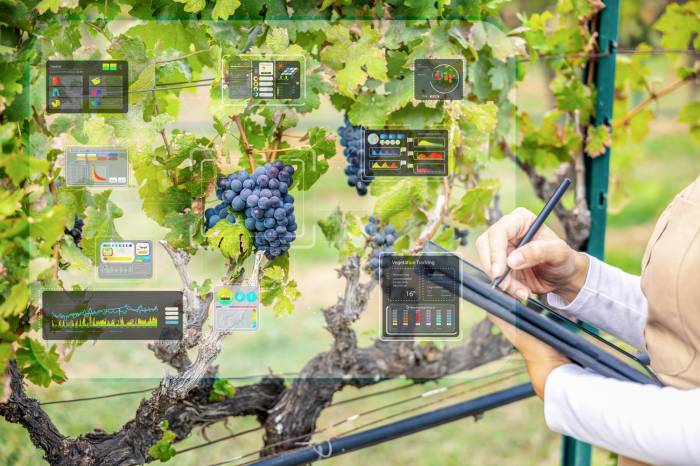
The global wine industry is facing new challenges as its supply chains become more complex and vulnerable. Recent analysis by GB News highlights that the journey of a bottle of wine from vineyard to table involves many steps, including grape growing, glass production, logistics, international regulations, and climate risks. Companies in the sector are now working to make their supply chains more resilient and sustainable, but they face obstacles such as a lack of digital skills and complicated regulations.
Over the past two years, 73 percent of companies have changed the structure of their supply chains, according to a 2024 Gartner report. Of those, 90 percent saw benefits like improved resilience, lower costs, greater flexibility, and reduced carbon emissions. However, 96 percent also reported difficulties, especially with logistics, regulations, and finding employees with the right digital skills. These changes are not just about saving money; they are about making the industry more sustainable for the future.
The wine supply chain is particularly sensitive to disruptions. The cost of packaging—bottles, corks, and labels—makes up a significant part of the final price. Long international shipping routes increase the risk of quality loss. Counterfeit wines remain a serious problem, especially for premium brands. Climate fluctuations can directly affect harvests and wine quality. As a result, winemakers are looking for deeper changes rather than simple optimizations.
Many companies are adopting strategies to improve sustainability and resilience. According to McKinsey data from 2022 to 2024, 97 percent of businesses have already implemented measures such as increasing inventory levels, regionalizing operations, and using multiple suppliers for key products or components. This approach helps reduce dependence on any single supplier or region. Still, only 60 percent of companies have visibility into their first-tier suppliers; information about suppliers further down the chain is often lacking. Most companies—about 90 percent—also report a shortage of digital skills needed to manage these new systems.
Speed of response is another issue. A 2024 IDC/Kinaxis report found that only 17 percent of companies can react to supply chain disruptions in less than 24 hours; most take an average of five days. In today’s unstable global environment, this delay can be critical.
Technology is playing a growing role in addressing these challenges. Digital tools like blockchain, Internet of Things (IoT) sensors, RFID/NFC tags, and QR codes are being used to track wine from vineyard to bottle. Studies show that blockchain increases trust and transparency but requires skilled workers to implement effectively. For example, a pilot project using private blockchain technology reduced audit times by 75 percent. Combining IoT devices with tracking tags allows producers and distributors to monitor every step in real time.
Digital traceability offers several advantages: it creates permanent records at every stage of production and logistics; it helps prevent counterfeiting; it reduces paperwork; it boosts consumer confidence; and it allows producers to charge premium prices for verified products.
To build more resilient supply chains for wine, experts recommend diversifying suppliers so that no single region or company becomes a point of failure. Regionalizing production—bringing bottling and packaging closer to sales markets—can cut carbon emissions and speed up distribution. Digital transparency through advanced tracking technologies strengthens quality control and consumer trust.
Managing risk is also essential. This means keeping backup stocks on hand, working with alternative suppliers, maintaining flexible logistics networks, and planning ahead for unexpected events like extreme weather or political instability.
For producers and the market as a whole, these changes bring economic benefits. Greater transparency gives consumers more confidence in what they buy—a key advantage for premium brands. Honest marketing about sustainable practices can enhance brand reputation. Reducing losses from counterfeiting or poor storage saves money over time. While investing in digital systems can be expensive at first, it pays off through better management and higher prices for trusted products.
As climate change continues to affect agriculture worldwide and global trade faces new uncertainties, the wine industry’s supply chain has become a strategic asset rather than just an operational concern. Traditional models focused on cost-cutting and centralization are no longer enough. The future will require diversification, regionalization, digitalization, and full transparency at every step.
Industry leaders say that those who can manage their entire supply chain—from vineyard to glass—will be best positioned to succeed in this changing landscape. The next time you enjoy a glass of wine at dinner, remember that behind each bottle lies an intricate network shaped by tradition but increasingly defined by technology and global challenges.
