Wine Sector Crisis Spurs EU Action as Debate Highlights Role in Rural Economies and Culture
European Parliament event stresses need for balanced policies that address health concerns while preserving wine’s economic and cultural significance
Tuesday, December 9, 2025
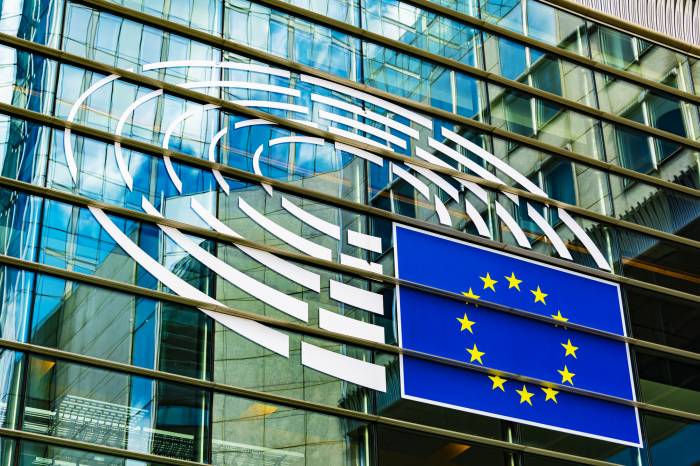
On December 8, 2025, the European Food Forum hosted a debate in Brussels titled “A World Without Wine: What is at Stake for Europe?” The event took place in the European Parliament and was organized by Members of the European Parliament Christine Schneider and Esther Herranz García. The debate brought together policymakers, researchers, wine producers, and representatives from civil society to discuss the future of wine in Europe.
The European Federation of Origin Wines (EFOW) participated in the discussion. EFOW’s president, Riccardo Ricci Curbastro, addressed the audience and congratulated the European Union institutions for reaching a positive agreement on the wine package. He described this agreement as a crucial step to help the wine sector recover from its current crisis. The full debate is available for viewing on the European Food Forum’s website.
During his remarks, Mr. Ricci Curbastro emphasized that the sustainability of the wine sector depends on three interconnected pillars: environmental, social, and economic. He highlighted that Europe’s wine regions are unique in how they integrate these pillars. He also pointed out that wine production, especially for wines with Geographical Indication status, is deeply tied to specific territories within the EU. These wines have been produced in their regions for centuries and cannot be relocated elsewhere.
Mr. Ricci Curbastro noted that in many rural areas with challenging conditions—such as steep slopes, poor soils, droughts, or mountain terraces—vines are often the only viable crop. In these places, vineyards support local communities and help maintain rural life.
The debate addressed a growing trend in which wine is discussed mainly from a health perspective. Participants at the forum argued that this narrow focus overlooks wine’s broader cultural, environmental, and economic roles. The event provided an opportunity to rebalance the conversation by examining how wine contributes to biodiversity, supports rural economies, encourages tourism, and plays a role in international trade.
Attendees also discussed how Europe can adapt to changing health trends while promoting responsible consumption of wine. EFOW welcomed the open and evidence-based dialogue at the forum. The organization stressed the need for policies that recognize both public health concerns and the essential role of wine in Europe’s food culture and rural economies.
The event underscored ongoing challenges facing Europe’s wine sector but also highlighted efforts by industry leaders and policymakers to find balanced solutions that support both public health and rural livelihoods.