International viticulture experts gather in Germany to address climate and sustainability challenges in grape growing
Geisenheim University hosts GiESCO conference as scientists share research on soil, biodiversity, and future vineyard practices
Friday, August 22, 2025
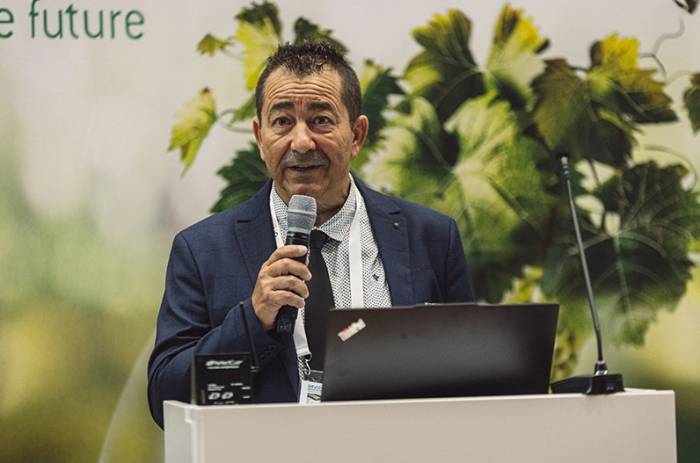
This month, the 23rd international GiESCO conference brought together 350 viticulture scientists from 23 countries at Geisenheim University in Germany. The event focused on finding new solutions for current and future challenges in grape growing. Under the theme “Above and Below – Towards the Future,” participants discussed climate-related issues, soil management, and biodiversity in vineyards.
The conference opened with remarks from Professor Laurent Torregrosa, a specialist in grapevine biology and genetics at Institut Agro Montpellier in France and president of GiESCO (Group of international Experts of vitivinicultural Systems for CoOperation). He highlighted the importance of sharing experiences across borders and thanked Geisenheim University for its hospitality and professional organization.
Dr. John Barker, director general of the International Organisation of Vine and Wine (OIV), also addressed attendees. He emphasized that cooperation between scientists and practitioners is more important than ever as the wine industry faces increasing challenges from climate change.
Geisenheim University’s president, Professor Hans Reiner Schultz, welcomed guests by noting that GiESCO has become one of the most respected international conferences in viticulture over several decades. He expressed pride in hosting the event again after 20 years. Professor Manfred Stoll, head of the Institute for General and Organic Viticulture at Geisenheim, added that the broad conference program helps address complex issues facing modern grape growing.
The keynote address was delivered by Kees van Leeuwen, professor of viticulture and head of the Institute for Vine and Wine Sciences (ISVV) at Bordeaux Sciences Agro. He argued that reducing carbon footprints, water use, pesticides, and fertilizers in vineyards is only possible if growers adopt more local approaches while considering consumer acceptance. Van Leeuwen stated that winemakers will only produce wines under these conditions if customers prefer them.
Both Kees van Leeuwen and Nathalie Ollat, a research engineer at INRAE Bordeaux, received the Rudolf Hermans Foundation Award for their contributions to viticulture research. The award was presented by Professor Schultz during the conference.
The program included seven sessions with ten keynote speeches and 100 short presentations. In total, 170 scientific posters were displayed. Topics ranged from managing drought, frost damage, rising CO2 levels, and other stress factors to new approaches in sustainable viticulture. Soil and water management, digitalization and robotics in vineyards, as well as data management for anticipating climate events were also discussed.
To connect science with practical grape growing, Tuesday’s agenda included seven field tours to nearby wine regions. On Wednesday evening, participants gathered for a gala dinner during a cruise on the Rhine River. Thursday featured a practice day where local winegrowers joined discussions. Three young researchers were recognized for outstanding poster presentations.
GiESCO is a non-governmental organization with over 600 members from most wine-producing countries. It promotes science and technology through multidisciplinary approaches to improve sustainability in viticulture worldwide. The next steps discussed at this year’s conference are expected to influence both research agendas and vineyard practices as climate pressures continue to grow.