Microplastics found in French beverages linked to screw caps and carton packaging
Study highlights natural cork stoppers as safer, sustainable alternative amid rising concerns over microplastic contamination in drinks
2025-07-30
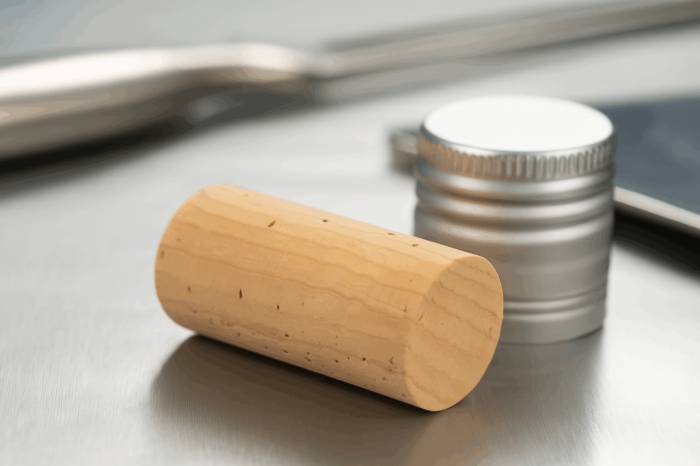
A recent study published in the Journal of Food Composition and Analysis has revealed new data about microplastic contamination in beverages sold in France. The research, conducted by a team led by I. Chaïb, analyzed a wide range of drinks, including wines, to determine the presence and origin of microplastics in these products. The findings point to screw caps as the main source of microplastic contamination in glass-bottled beverages.
The study found that microplastics detected in the drinks often matched the color and chemical composition of the paint used on screw caps. These paints are typically made with polyester resins. According to the researchers, the contamination occurs during large-scale storage of screw caps. Friction and abrasion between the caps cause tiny particles to detach from the painted surface. When bottles are sealed, these microparticles can fall into the beverage.
This discovery raises concerns not only about the presence of microplastics but also about potential exposure to chemical additives found in decorative paints on screw caps. The authors note that these additives could migrate into the drink along with the plastic particles.
The research also compared other types of packaging. Wines packaged in cartons, known as briks, showed even higher levels of microplastics. These containers often include plastic or metallic layers inside, which can contribute additional contaminants.
In contrast, natural cork stoppers did not release any detectable microplastics into the wine. Cork is a plant-based material that is biodegradable and does not require industrial paints or synthetic coatings. The study highlights that cork stoppers offer several advantages: they are sustainable, support proper wine aging, and now show a lower risk of contaminating wine with microplastics.
The findings come at a time when consumers are increasingly concerned about health and environmental issues related to food and beverage packaging. The evidence presented by this study supports the use of natural cork as a safer and more environmentally friendly option for sealing wine bottles.
The research was carried out in France and included a broad selection of beverages available on the market. The results suggest that both producers and consumers should consider packaging choices carefully, especially when it comes to minimizing exposure to microplastics and related chemicals.
The study adds scientific weight to ongoing discussions about sustainable packaging in the wine industry. As awareness grows about microplastic pollution, natural cork stoppers may become even more valued for their ability to protect both product quality and consumer health.

Founded in 2007, Vinetur® is a registered trademark of VGSC S.L. with a long history in the wine industry.
VGSC, S.L. with VAT number B70255591 is a spanish company legally registered in the Commercial Register of the city of Santiago de Compostela, with registration number: Bulletin 181, Reference 356049 in Volume 13, Page 107, Section 6, Sheet 45028, Entry 2.
Email: [email protected]
Headquarters and offices located in Vilagarcia de Arousa, Spain.