Red Wine Triggers Headaches Due to Alcohol, Histamines, and Tannins
Individual sensitivity and drinking habits influence the likelihood and severity of wine-induced headaches.
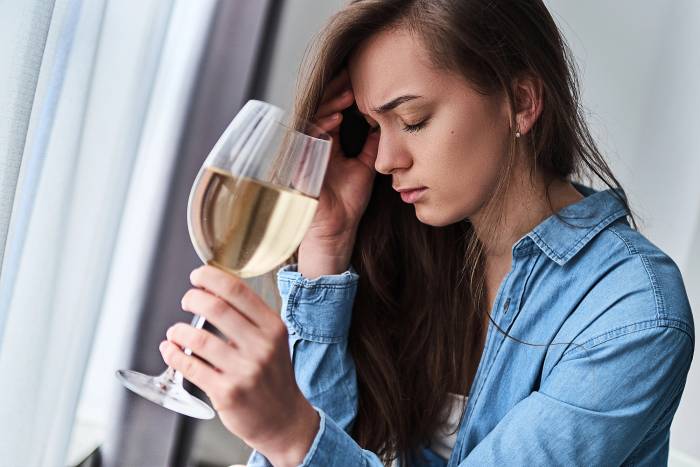
Wine is often linked to pleasure and social gatherings, but it can also cause headaches for many people. The main reason is simple: wine contains alcohol. When alcohol, specifically ethanol, is broken down in the body, it produces acetaldehyde, a toxic substance that the liver must process and eliminate. This process puts stress on the liver and leads to progressive dehydration. Dehydration is one of the main triggers for headaches after drinking wine. In addition, alcohol causes blood vessels to dilate, which can also contribute to pain.
Even high-quality wine, enjoyed in moderation and with care, can cause headaches if consumed in large quantities or too quickly. The amount and speed of consumption play a significant role in how the body reacts.
Not all red wines cause headaches for everyone. Young, full-bodied, and tannic reds are more likely to have this effect because they contain higher levels of histamines and tannins. These compounds are naturally present in grapes and become more concentrated during the winemaking process, especially during maceration. Each person’s sensitivity to these substances varies. Some people may drink red wine without any issues, while others experience discomfort even after a small glass.
The context in which wine is consumed also matters. Drinking wine on an empty stomach or without water increases the risk of headaches. Hydration is important because alcohol depletes the body’s water reserves. Drinking water alongside wine can help reduce the likelihood of developing a headache.
White wine generally causes fewer headaches than red wine because it contains lower levels of histamines and tannins. The winemaking process for white wine involves less skin contact, resulting in fewer of these compounds being extracted from the grapes. However, both red and white wines contain alcohol, which remains a common factor in causing headaches regardless of color or style.
The timing of headache onset after drinking wine varies from person to person. Some people feel discomfort during the tasting itself, while others develop symptoms hours later or even the next morning. This delay is often due to gradual dehydration caused by alcohol consumption.
Sensitivity to wine can change over time. As people age, their bodies metabolize alcohol differently. Health conditions and lifestyle changes can also affect tolerance to both alcohol and specific compounds like histamines and tannins. Some individuals may find that they become more sensitive to certain types of wine as they get older.
If you notice that certain wines consistently give you headaches, it may help to keep track of which varieties or styles are problematic for you. Adjusting your choices and drinking habits—such as eating before drinking, consuming water alongside wine, and limiting intake—can make a difference in how your body responds.
Understanding these factors can help wine lovers enjoy their favorite beverage while minimizing discomfort. The key is to pay attention to your own reactions and make informed decisions about what works best for you.