OIV Schedules Global Webinar to Address Surge in Flavescence Dorée Disease Threatening Vineyards
Experts plan to share new research and strategies as outbreaks rise by over 20% in key European wine regions
Friday, April 10, 2026
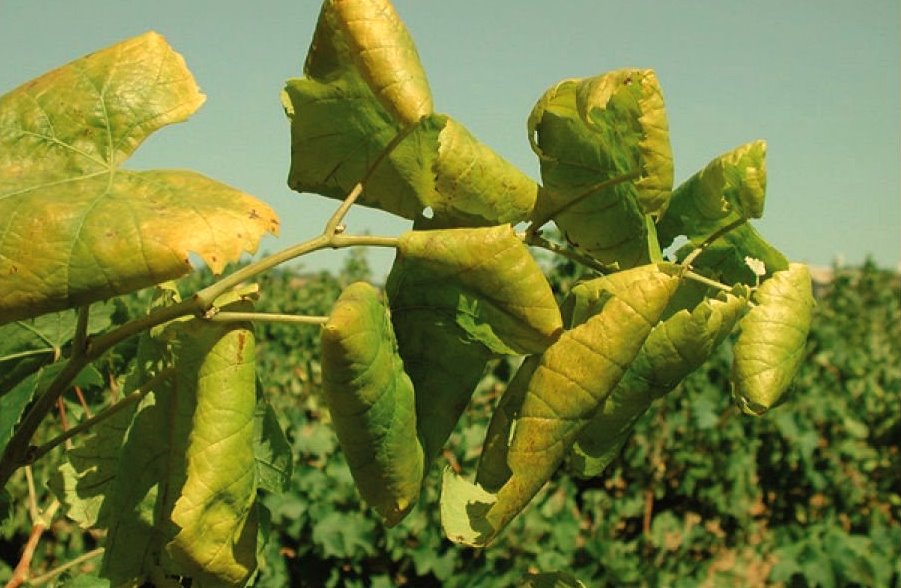
The International Organisation of Vine and Wine (OIV) has announced an upcoming scientific webinar focused on Flavescence dorée, a disease that continues to threaten vineyards across Europe and beyond. The event, titled “Flavescence dorée: From Collective Strategies to Vineyard Protection,” will take place online on May 18, 2026, from 11:00 to 13:00 CET. The session will be conducted in English and will offer AI-powered live translation in multiple languages to reach a broader audience.
Flavescence dorée is a phytoplasma disease transmitted by leafhoppers, causing yellowing of leaves, reduced grape yield, and eventual vine death. The disease has been spreading in several wine-producing regions, raising concerns among growers and industry experts about its impact on vineyard health, productivity, and long-term sustainability. According to recent data from European plant health authorities, outbreaks have increased by more than 20% in some regions over the past five years.
The OIV webinar aims to bring together leading scientists, plant protection officials, and representatives from winegrower organizations to share the latest research on the epidemiology of Flavescence dorée and discuss strategies for containment. Speakers include Elisa Angelini, President of the OIV Expert Group on Vine Protection; Camille Picard, Senior Scientific Officer at the European and Mediterranean Plant Protection Organization (EPPO); Marion Saüquere, Director of the Confederation of Appellations and Wine Growers of Burgundy (CAVB); Agathe Mazardin, Vineyard Sustainability Project Manager at Comité des Vins de Bourgogne; and Stefano Boncompagni, Director of the Plant Protection Service for Italy’s Emilia-Romagna region.
The session will focus on harmonized monitoring standards and the need for coordinated action at both collective and individual levels. Experts will present scientific findings on how the disease spreads and discuss technical measures that have proven effective in limiting its advance. These include early detection protocols, removal of infected vines, insect vector control, and regional surveillance programs.
Organizers emphasize that Flavescence dorée is not only a scientific challenge but also a test of collaboration among growers, researchers, and regulatory bodies. In regions like Burgundy and Emilia-Romagna, collective strategies have included mandatory monitoring and reporting systems as well as joint training sessions for vineyard workers. These efforts have helped slow the spread in some areas but require ongoing vigilance due to the persistent risk posed by cross-border movement of infected plant material.
The OIV encourages participation from vineyard managers, agronomists, policymakers, and anyone involved in viticulture. Registration is open through the OIV website. The organization hopes that sharing knowledge and best practices will help protect vineyards worldwide from this growing threat.