Wine Retains Top Spot as Italians Shift Drinking and Eating Habits Over 30 Years
Istat report finds daily alcohol use drops while beer and spirits gain popularity, reflecting evolving lifestyles and gender trends.
2026-04-09
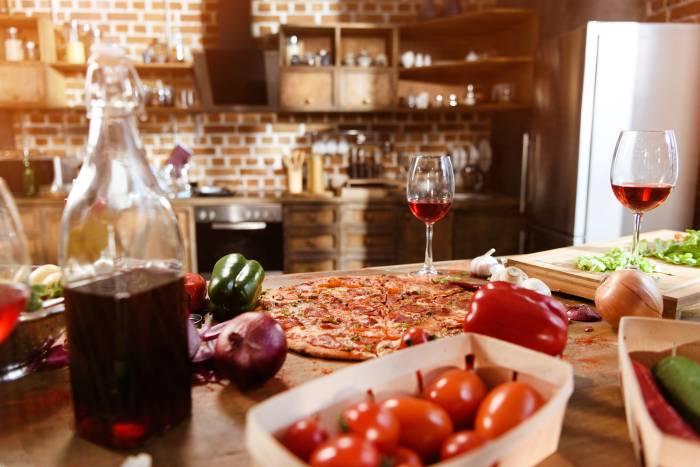
A recent publication by Istat, Italy’s national statistics institute, offers a detailed look at how Italian society has changed over the past 30 years, focusing on daily life, eating habits, and alcohol consumption. The report shows that while the market and preferences have shifted, wine remains the most popular alcoholic beverage among Italians.
Between 1998 and 2023, the overall percentage of Italians aged 14 and older who consumed alcohol in a year remained relatively stable, moving from 70.1% to 68.7%. However, there has been a significant change in drinking patterns. Daily alcohol consumption dropped from 33.3% to 19%, while occasional drinking increased from 37.3% to 49.8%. Drinking outside of meals also rose from 23.8% to 33.4%.
The data reveal changes in preferences for different types of alcoholic beverages. Beer consumption grew steadily, with 52.7% of Italians drinking beer in 2023, up by 5.5% since 1998. Consumption of spirits saw an even sharper rise, climbing from 39.4% in 1998 to nearly 50% in 2023. Despite these trends, wine has maintained its leading position. In both 2008 and 2023, 56.9% of Italians reported drinking wine, showing a return to earlier levels after a dip to 52% in 2014.
Gender differences have played a role in these shifts. Women have increased their consumption of spirits by 14.3% over the past quarter-century, compared to a 6.1% increase among men. Beer consumption among women also rose by 6.7%, outpacing the 4% increase among men. Overall alcohol consumption among men declined from 83% to 79.5%, while rates among women remained stable.
The report also highlights changes in meal habits due to modern lifestyles and work patterns. In 2023, only 72.9% of Italians said they usually ate lunch at home on weekdays, down from 84.5% in 1993. Lunch remains the main meal for most people (63.3%), but this is a drop from the 78.2% recorded three decades ago. Dinner has become the main meal for more Italians—23.6% in 2023 compared to just 17.3% in 1993—and more people now consider breakfast their primary meal (12.5%, up from 3.1%).
Skipping breakfast is becoming more common, with the share rising from 7.2% in 1996 to 9.3% in 2023. There has been a notable decline in milk consumption at breakfast, falling from 57.2% to 44.3%. Among children aged three to ten, milk consumption dropped sharply from nearly 80% to just over half (53.4%). At the same time, more people are choosing alternative breakfasts such as yogurt, cereals or fruit juices—up from just under 3% to over 8%. This trend is especially strong among young children.
The way Italians consume fruit and vegetables has also changed over time, despite these foods being central to the Mediterranean diet. In 2023, about 78.5% of Italians ate at least one portion of fruit or vegetables daily—a decrease from the peak of over 84% twenty years ago and a trend that has accelerated since 2016.
Women are more likely than men to eat fruits and vegetables daily, and consumption is highest among children aged three to ten (72.6%). It drops among teenagers and young adults (68.1%) before rising again among older adults, reaching about 90% for those over seventy-four years old.
However, only a small share of Italians meet the recommended four or five daily portions of fruits and vegetables: just 17.1% reported doing so in 2023, with an average intake of only two and a half portions per day—half the suggested amount.
The Istat report suggests that while some traditional habits persist, Italian society’s relationship with food and drink continues to evolve under the influence of changing work patterns and lifestyles, with wine holding its place as a cultural staple even as other beverages gain ground and eating habits diversify across generations and genders.
