Rioja wine region blends tradition, innovation, and diversity to maintain global prominence
Distinct subregions, strict regulations, and varied styles drive Rioja’s enduring appeal in international wine markets
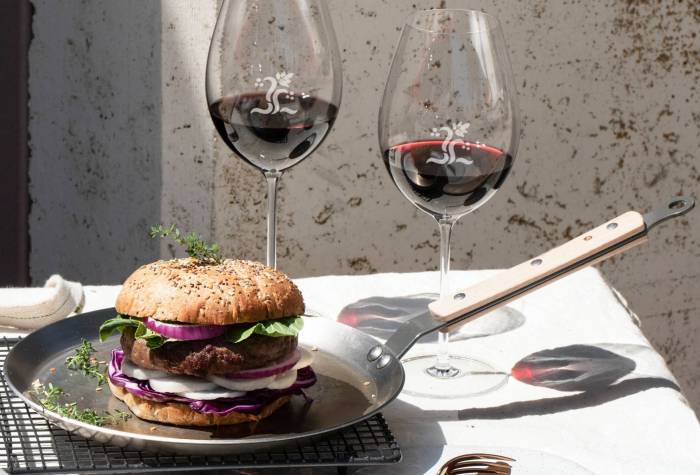
In the heart of northern Spain, Rioja stands as one of the country’s most recognized wine regions. Its reputation is built on centuries of tradition, strict regulations, and a wide range of wine styles. The region stretches for about 100 kilometers along both banks of the Ebro River, bordered by the southern foothills of the Cantabrian Mountains. Rioja is divided into three main subregions: Rioja Alta, Rioja Alavesa, and Rioja Oriental. Each subregion has its own climate and soil characteristics, which influence the style and quality of the wines produced.
Rioja Alta and Rioja Alavesa are located at higher altitudes, between 500 and 900 meters above sea level. These areas benefit from Atlantic influences, resulting in a temperate to warm climate that helps produce wines with notable acidity and structure. Rioja Oriental, formerly known as Rioja Baja, lies further east and experiences a more continental climate with hot summers, cold winters, and low rainfall. Drought is a significant concern in this subregion.
The history of winemaking in Rioja dates back to Roman times. The region’s development was interrupted during the Moorish occupation in the 7th century but revived in the Middle Ages thanks to monasteries along the pilgrimage route to Santiago de Compostela. In 1925, Rioja became Spain’s first officially defined wine region. It received the prestigious Denominación de Origen Calificada (D.O.Ca.) status in 1991, a recognition it shares only with Priorat.
Today, Rioja covers about 66,000 hectares of vineyards and produces around three million hectoliters of wine annually. About 40 percent of this production is exported, with key markets including Great Britain, Germany, and the United States. The region’s regulatory body enforces strict production standards and has introduced new quality classifications in recent years. These include designations for old vines (Viñas Viejas), centenarian vines (Viñas Centenarias), pre-phylloxera vines (Viñas Prefiloxéricas), high-altitude vineyards (Viñedos de Altura), and single-vineyard wines (Viñedos Singulares). There are also terms for limited editions and producer-owned vineyards.
Fourteen grape varieties are authorized in Rioja: five red and nine white. Tempranillo dominates red wine production, accounting for about two-thirds of plantings. Garnacha is also important, especially in Rioja Oriental. For white wines, Viura (Macabeo) is the main grape, supported by others such as Garnacha Blanca and Tempranillo Blanco. Since 2007, international varieties like Chardonnay and Sauvignon Blanc have been allowed but can make up no more than half of a blend.
Red wines make up about 75 percent of Rioja’s output. These range from young, fruity styles to complex Gran Reservas aged for years in oak barrels. Rioja Alta is known for elegant Tempranillo-based reds with good acidity and aging potential. Rioja Alavesa produces lighter, fruit-driven reds that are enjoyable when young but can also develop with age. In contrast, Rioja Oriental specializes in fuller-bodied Garnacha-based wines with higher alcohol content.
White wines account for about 10 percent of production. They are typically fresh and fruit-forward but can also be made in richer styles with oak aging. Rosé wines represent around 15 percent of output and are usually made from Tempranillo or Garnacha grapes. These rosés are light and refreshing, suitable for summer drinking or pairing with Mediterranean cuisine.
Rioja has also developed its own sparkling wine category called Espumoso de Rioja. These wines are made using traditional bottle fermentation methods and must spend at least 15 months aging on their lees. Both white and rosé versions are produced using any of the region’s permitted grape varieties.
The economic impact of wine in Rioja is significant. The region has built a strong global reputation through consistent quality and effective marketing strategies. While exports to some traditional markets like Great Britain have declined recently—down by over 11 percent in 2022—other markets such as Belgium, Mexico, Switzerland, Sweden, the Netherlands, and Germany have shown growth.
Rioja’s appeal lies in its diversity. The region offers wines at every price point and style—from everyday bottles to collectible limited editions—making it accessible to a broad range of consumers worldwide. Well-known brands coexist with small producers offering unique expressions tied to specific vineyards or villages.
As consumer preferences evolve and export markets shift, Rioja continues to adapt while maintaining its core identity as Spain’s flagship wine region. Its combination of history, innovation, and variety ensures that it remains relevant both at home and abroad.

Founded in 2007, Vinetur® is a registered trademark of VGSC S.L. with a long history in the wine industry.
VGSC, S.L. with VAT number B70255591 is a spanish company legally registered in the Commercial Register of the city of Santiago de Compostela, with registration number: Bulletin 181, Reference 356049 in Volume 13, Page 107, Section 6, Sheet 45028, Entry 2.
Email: [email protected]
Headquarters and offices located in Vilagarcia de Arousa, Spain.