Chablis Winegrowers Race to Save Vineyards as Severe Frost Strikes Early Budding Vines
Growers deploy costly anti-frost measures overnight, fearing damage to unprotected areas and warning climate change is raising new risks
Monday, March 30, 2026
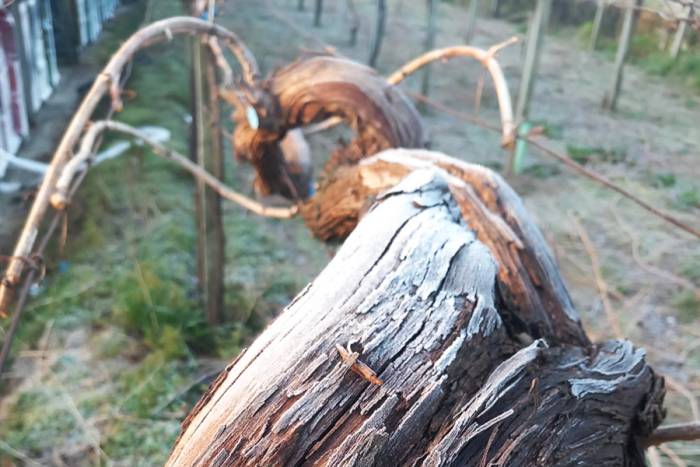
In the Chablis region of Burgundy, winegrowers spent recent nights battling a severe frost that threatened their vineyards. Jean-Paul Durup, a local producer, stood among vines whitened by ice, visibly tired after hours of monitoring his fields. He reported that protection systems worked well where they could be installed, but he expressed concern for unprotected areas. “There will definitely be damage in zones without protection,” Durup said, worried about the impact on Chablis’ renowned white wines, which are exported worldwide.
Like many Burgundy growers, Durup’s sleep was interrupted by alarms from temperature sensors placed in the vineyards. When temperatures dropped too low, he and others rushed out to activate anti-frost measures. These included candles, pellet heaters, water sprinklers, and wind machines designed to circulate warmer air around the vines. “Alerts can come at 2 or 3 in the morning,” Durup explained as he watched his sprinkler system coat buds with a protective layer of ice.
Jean-François Bordet of Domaine Séguinot-Bordet near Chablis said he used every available method: “A thousand candles, sprinklers, anti-frost towers.” Bordet, who co-chairs the Chablis Commission at the Burgundy Wine Committee, said growers have taken a more aggressive approach since 2021. That year, a spring frost cut Burgundy’s harvest by half. “We’ll still have some damage,” Bordet admitted, but he does not expect losses to be as severe this year.
The cost of frost protection is high. “It’s expensive,” Bordet said. Not all growers can afford to protect every parcel. Thousands of hectares remain exposed. Each candle costs about €10 before tax and more than 400 are needed per hectare for just one night; each lasts only six to eight hours. Bordet also noted environmental concerns with burning so many candles.
This year’s frost hit especially hard because the vines are further along than usual for this time of year. “It’s the first time vegetation is this advanced,” Durup said, pointing to budding vines that would normally look like this in May. Climate change is a factor, according to Thiébault Huber, president of the Burgundy Growers’ Confederation. “February and March have been much too warm,” Huber said.
In Côte d’Or, home to prestigious vineyards like Pommard and Montrachet, growers also lit candles to protect their crops. François Labet of Château de la Tour in Clos de Vougeot said damage there should be limited because temperatures were not as low as in Chablis.
Huber expects some losses but no major disaster for most growers this year. However, the risk is not over yet; frost remains a threat until mid-May during the period known locally as the “ice saints.” Durup expects another long night ahead as growers continue their efforts to save this year’s crop. “After a while, it gets exhausting,” he said.