Australia uncorks wine industry transformation
Australia's wine industry eyes Gen Z and global markets
Thursday, January 16, 2025
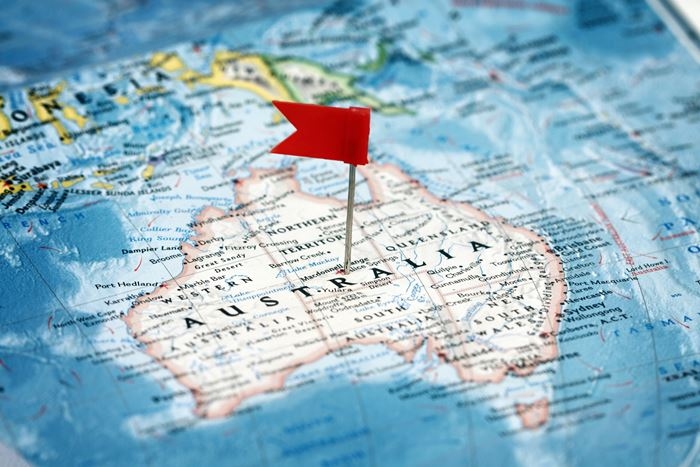
Australia is undergoing a significant transformation in its wine industry, moving away from past challenges and focusing on new markets. Historically associated with mass-market, low-cost wines, the country's image is evolving toward a reputation for quality, sustainability, and regional diversity. This shift aims not only to reposition Australian wines internationally but also to address trends that emphasize environmental responsibility and a strong sense of origin.
For many years, Australian wines were predominantly represented by brands like Yellow Tail, which continues to dominate imports in the United States with its affordable offerings. However, the landscape has changed, particularly after China lifted tariffs of up to 218.4% that had severely impacted Australian wine exports. These tariffs caused exports to plummet from AUD 1.24 billion in 2019 to just AUD 1 million in 2023. In 2024, total exports rebounded, growing 34% in value to reach AUD 2.39 billion, despite a modest 7% increase in volume, indicating a higher price per bottle.
Tasmania has become a key example of the rise in quality-driven wine production. Known for its cool climate and focus on Pinot Noir, Chardonnay, and traditional method sparkling wines, the region has expanded significantly over the past 15 years. Vineyard acreage has grown from just 250 acres in the 1980s to over 5,930 acres today, with an average wine value of USD 22 per liter, well above the national average.
Other regions are also experiencing notable growth. Margaret River in Western Australia, as well as McLaren Vale and Adelaide in the south, have increased the value of their exports through investments in innovation and education. Margaret River, specializing in Cabernet Sauvignon and Chardonnay, has introduced annual educational tastings and seminars that have deepened understanding of its terroir and improved viticultural practices.
Sustainability has taken center stage in Australia's wine renaissance. Launched in 2019, Sustainable Winegrowing Australia promotes efficient resource use, biodiversity, and responsible farming practices. Currently, 837 members are certified, and this number is expected to double within 18 months. Additionally, some producers are integrating Indigenous Australian knowledge, adopting traditional practices that align with natural cycles rather than fixed dates, which may help combat the challenges posed by climate change.
The younger demographic, particularly Generation Z, represents a significant opportunity for Australian wines. This group prioritizes sustainability and authenticity in their purchasing decisions. To appeal to these consumers, winemakers are shifting toward lighter, less conventional styles, moving away from robust Cabernets and Chardonnays. They are also experimenting with lesser-known grape varieties and innovative winemaking techniques to meet international demand for alternatives to the high costs associated with regions like Bordeaux and Burgundy.
International promotion remains crucial for the industry's growth. Wine Australia plans to visit over 30 markets in the next five years to showcase the evolution of Australian wines. Through events, tastings, and a renewed focus on emotional connection, they aim to attract new consumers and strengthen their presence in key markets such as North America and Europe.
Australia's wine industry revival highlights a blend of innovation, tradition, and strategic adaptability. As regions address economic and environmental challenges, the collective effort to redefine their position in the global wine market continues to gain momentum.