OIV Leads Global Charge Against Vineyard Diseases
International Symposium, Hosted by OIV, Unveils Roadmap to Protect Global Viticulture
Wednesday, May 29, 2024

Views › 3898
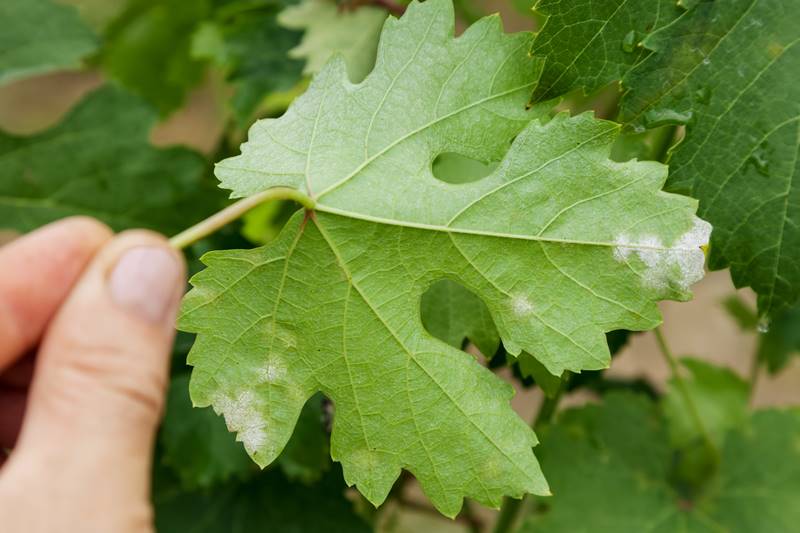
As climate change reshapes our world, it's also transforming the vineyards where our beloved wines are born. Couple this with increasingly stringent regulations on the use of pesticides, and you have a perfect storm brewing in the world of viticulture. The International Symposium on Grapevine Epidemic Diseases, held recently in Austin, Texas, shone a spotlight on these challenges, particularly focusing on Pierce's Disease in North America and Flavescence Dorée in Europe. Hosted by the International Organisation of Vine and Wine (OIV) and the Texas Department of Agriculture, the symposium brought together experts and researchers to brainstorm and strategize on combatting these viticultural threats.
A major theme at the symposium was the development of new, disease-resistant grapevine varieties. This involves using advanced biotechnological tools to speed up the breeding process. These tools enable scientists to tweak the genetic makeup of vines, making them more robust against pathogens. This isn't just about fighting disease; it's about future-proofing vineyards against the unpredictable twists of climate change.
The soil, the very foundation of any vineyard, also took center stage. By delving into the health and vitality of vineyard soils, researchers hope to devise strategies to mitigate the stress caused by changing climate conditions. Healthier soils can support more resilient vines, offering another layer of defense against disease.
Insect vectors, the tiny culprits that spread vine diseases, were another critical focus. Monitoring these pests and understanding their interactions with grapevines and pathogens is crucial. Advanced technologies are being harnessed to create more precise and timely monitoring systems. This means quicker responses to outbreaks, potentially stopping an epidemic before it starts.
Education and knowledge sharing were underscored as vital components in the fight against grapevine diseases. By fostering ongoing training programs, the symposium emphasized equipping viticulturists and technicians with the latest strategies in disease control and prevention. In an industry where conditions can change rapidly, staying informed and adaptable is key.
Collaboration is another cornerstone of this battle. The symposium highlighted the importance of a robust international research network that's always connected and continually reviewed. This approach prevents duplication of studies and ensures that funds are used effectively. The OIV, along with regional organizations like the IPPC (Integrated Pollution Prevention and Control), plays a pivotal role in coordinating these efforts.
Understanding the social and economic impacts of grapevine diseases is essential for developing sustainable responses. These diseases don't just affect the vines; they ripple out to touch entire communities and markets. By considering these broader impacts, the strategies developed can be more holistic and effective.
The symposium in Austin laid out a clear roadmap for tackling the twin threats of climate change and vineyard diseases. It's a plan built on international collaboration, cutting-edge research, and continuous education. By working together, sharing knowledge, and leveraging the latest scientific advancements, the global viticulture community can rise to meet these challenges.
The future of wine is one of resilience and innovation. As we adapt to a changing world, these efforts will ensure that our vineyards continue to thrive, producing the wines we love and preserving the rich traditions of viticulture for generations to come.