Bordeaux response to climatic challenges
Saint-Émilion's innovative battle against climate change
Friday, February 9, 2024

Views › 1622
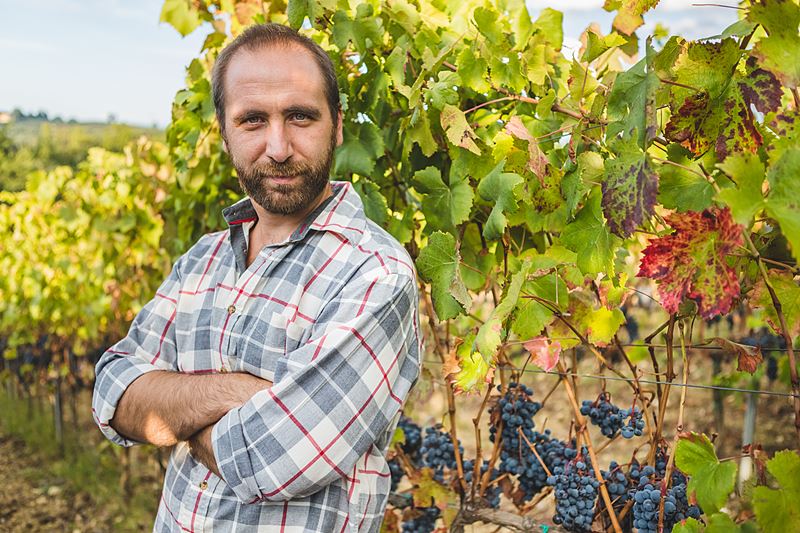
In the face of climatic challenges, the venerable vineyards of Saint-Émilion are embracing a diverse array of strategies to safeguard their heritage and the quality of their wines. From adapting viticultural practices to exploring varietal resilience and embracing scientific innovation, the region's producers are at the forefront of combating the threats posed by a changing climate.
The battle against fungal diseases, such as downy mildew, powdery mildew, and grey rot, is a significant concern for the vineyards in Saint-Émilion. The region's proximity to the Atlantic Ocean, despite being relatively inland, contributes to a humid climate conducive to these fungal outbreaks. In response, producers are employing a mix of traditional methods, like copper-based sprays, and innovative solutions, including the exploration of copper-absorbing plants, to mitigate these threats.
Organic and biodynamic practices are increasingly becoming the norm rather than the exception in Saint-Émilion, with vineyard managers diligently managing canopy and vineyard floor to reduce humidity and fungal pressures. These practices not only aim to combat the immediate threats but also enhance the overall health and resilience of the vineyards.
Exploring varietal adaptation and diversification
The dominance of Merlot in Saint-Émilion's vineyards is being reevaluated in the face of climate change. The variety's susceptibility to both fungal diseases and over-ripening in increasingly hot summers has prompted some producers to reconsider the varietal makeup of their vineyards. The introduction and increased cultivation of varieties known for their resilience to high temperatures and diseases, such as Cabernet Franc, Petit Verdot, Carmènere, and Malbec, are seen as potential paths forward.
These adjustments are not merely reactive measures but strategic decisions aimed at preserving the identity and quality of Saint-Émilion wines. As temperatures rise, the ability of these alternative varieties to achieve optimal ripeness without excessive sugar levels is becoming increasingly valuable.
The commitment of Saint-Émilion producers to research and development is evident in their proactive approach to viticulture and winemaking. Experiments with canopy management, varietal resistance, and soil health are indicative of a forward-thinking mindset that seeks to address not only current challenges but also anticipate future conditions.
As Saint-Émilion's producers navigate the complexities of climate change, their efforts underscore a dedication to maintaining the region's storied tradition of winemaking excellence while ensuring its viability for future generations. The exploration of new varieties, alongside the adaptation of viticultural practices, offers a glimpse into the evolving landscape of Bordeaux winemaking.
The challenges posed by a changing climate are formidable, but the innovative and resilient spirit of Saint-Émilion's wine community suggests a future where tradition and adaptation go hand in hand. As these strategies continue to evolve, they not only promise to safeguard the region's viticultural heritage but also contribute to the broader dialogue on sustainable winemaking practices in the face of global climatic shifts.