Moroccan lawmakers challenged proposed alcohol taxes in the 2027 finance bill
Critics said the higher duties could lift hotel and restaurant prices, nudging some buyers toward unregulated alcohol
Thursday, November 5, 2026
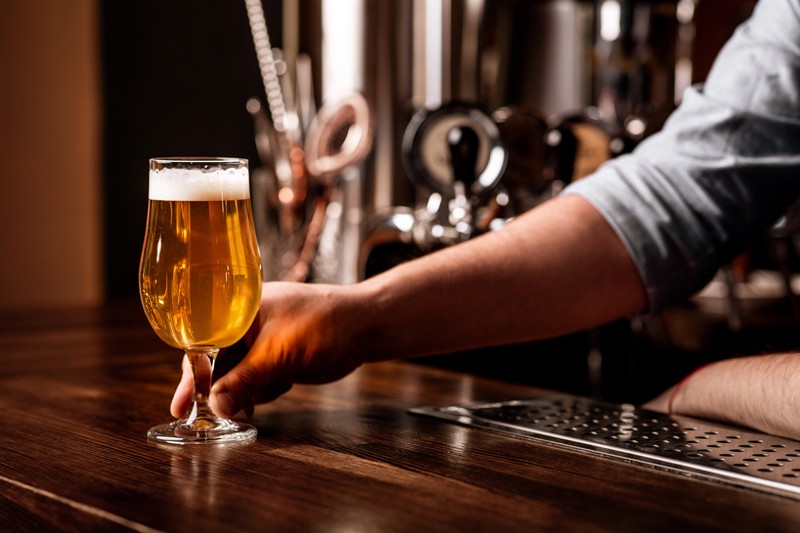
Morocco’s debate over the 2027 finance bill turned to alcohol and tobacco taxes on Tuesday, Nov. 3, as lawmakers in the lower house finance committee clashed over whether higher duties would bring in revenue without hurting tourism and the formal market.
Several female lawmakers raised concerns during the committee’s review of the draft budget, arguing that higher taxes on alcoholic drinks could have broader economic effects than the government expects. According to the discussion reported by Moroccan outlet Yabiladi, Fadoua Rajouani of the Socialist Union of Popular Forces, which is part of the governing majority, and Sanaa Fawzi of the opposition Alliance of the Left Federation were among those who questioned the measure.
The lawmakers said a rise in retail prices could weigh on tourism and the hospitality business, especially if hotels and restaurants pass the higher costs on to customers. They also warned that more expensive alcohol sold through legal channels could encourage part of the market to shift toward informal sales, exposing consumers to products that are not regulated.
The issue has drawn attention because it sits at the intersection of budget policy, public health and a tourism industry that remains important to Morocco’s economy. If the tax changes are adopted, they could raise costs for alcohol producers, importers, distributors and hotels, with possible effects on menu pricing, margins and purchasing decisions across the beer and wine trade. The debate has also opened a wider question about whether Morocco should apply different tax treatment to locally made drinks and imported products, a point some lawmakers said deserves separate consideration.
Finance Minister Fouzi Lekjaa defended the proposed increases, saying they would be too small to change tourist behavior or weaken Morocco’s appeal as a destination. He told lawmakers the planned increase would amount to 1.55 dirhams per liter of beer and 1.15 dirhams per liter of wine. In his view, those amounts are not large enough to influence a traveler’s choice of destination or meaningfully damage demand in the tourism sector.
Lekjaa also backed higher tobacco prices, presenting them as part of a gradual strategy to reduce smoking. He said a steady rise in tobacco prices was necessary to curb consumption and encourage smokers to quit.
The exchange reflects a familiar tension in budget debates: governments often seek more tax revenue from products seen as nonessential or harmful, while lawmakers and businesses warn that price increases can create unintended effects in tourism, retail and consumer behavior. In Morocco’s case, critics in parliament are focusing less on the public health argument than on whether the proposed increases could add pressure to hotel bills, restaurant prices and the legal beverage market.
Their warning about the informal market was a central part of the debate. Lawmakers said that if legal alcohol becomes more expensive, some consumers may look for cheaper alternatives outside regulated sales channels. That, they argued, could increase the circulation of products of uncertain origin and quality. Such a shift would not only affect consumers but could also put more pressure on licensed businesses that already operate with tax and compliance costs that informal sellers do not bear.
The proposal remains part of the broader 2027 finance bill, which is still under review. The parliamentary discussion on Nov. 3 showed that even relatively modest increases can become politically sensitive when they touch tourism, hotel pricing and the balance between domestic production and imported beverages. Lawmakers who spoke against the measure did not reject taxation in principle, but they pressed the government to consider a more tailored approach, especially for alcohol products sold through formal businesses that serve both residents and visitors.