Wine consumption declines, but quality rises: consumers opt for high-end wines
Amidst global challenges, the wine industry uncorks a new high-end trend
Thursday, June 8, 2023
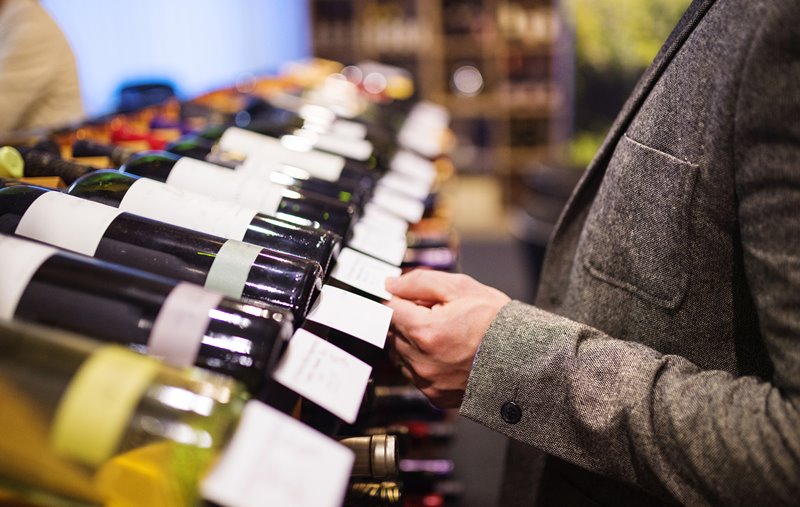
In an ever-evolving world, global wine consumption trends appear to be shifting, with recent studies showing that consumers are buying and drinking less wine, but are increasingly opting for higher quality options. Two significant studies, one by IWSR and the other by the International Organisation of Vine and Wine (OIV), have illuminated these trends.
The IWSR, a specialized consultancy, examined consumer sentiment across all alcohol categories in early 2023. In contrast, the OIV, the world's leading wine organization, specifically analyzed wine trends in 2022.
Both studies align in finding that consumers are buying less alcohol, and the overall consumption is declining due to higher prices and growing health concerns regarding alcohol consumption.
Slight dip in global wine production
According to the OIV study, the global wine production in 2022 saw a modest decrease of 1% compared to 2021, totaling 258 million hectoliters. Despite predictions of substantial declines in Europe due to droughts and heatwaves, the continent recorded larger than expected harvests. In contrast, production in the Southern Hemisphere remained close to average.
Notably, wine production in the United States decreased by 7%, one of the most significant declines reported. Moreover, China's wine production fell by 29% compared to 2021, continuing a downward trend that has persisted for the last decade.
Consumption trends
In 2022, approximately 232 million hectoliters of wine were consumed globally, nearly 1% less than in 2021. While the United States saw an increase in consumption by 3%, returning to pre-pandemic levels, France and Italy recorded decreases of 2% and 5%, respectively.
The OIV study attributed the "significant increases" in wine prices to factors such as the war in Ukraine, soaring energy prices, and supply chain disruptions. Pau Roca, the General Director of OIV, highlighted in a press conference that the costs of boxes, labels, and other supplies rose in double-digit percentages, contributing to the escalation in wine prices.
International wine market
The OIV's internationalization index, which measures wine exports, stood at 46%. This indicates that, on average, one out of every two bottles of wine consumed globally crossed at least one border in 2022, meaning 46% of the wine consumed worldwide was imported. This represents a slight decrease compared to the previous year, but remains one of the highest percentages recorded.
A trend towards premiumization
Since 2018, global wine consumption has been decreasing steadily, a trend that was accentuated in 2020 due to the COVID-19 pandemic. However, in 2021, the relaxation of restrictions and the resumption of social gatherings contributed to a rebound in consumption in most countries.
The IWSR study found that moderation in alcohol consumption is gaining popularity. This is partly due to health reasons, but also as a savings strategy. This supports the resilience of the trend towards premiumization, with many consumers opting to drink better quality wine less frequently.
Regarding consumption in hospitality venues, the IWSR report revealed that demand remains steady in Europe and America, driven by millennials and Generation Z. However, in some markets, going out without consuming alcohol has become a popular savings strategy, as has opting for more economical beverage options, while staying at home watching series and ordering food delivery remains an attractive option in most markets.
These findings suggest a discernible shift in consumer preferences and behavior, with an inclination towards higher quality over quantity in wine consumption.
Sources: International Organisation of Vine and Wine (OIV), IWSR.