CEEV unterstützt das neue Weinabkommen, warnt aber davor, dass die Gesetzgebung kein Allheilmittel ist
Präsidentin Marzia Varvaglione begrüßt, dass der Schwerpunkt auf Investitionen und Förderung liegt, warnt jedoch davor, dass das EU-Recht allein nicht alle wirtschaftlichen Herausforderungen des Sektors lösen kann
05.12.2025
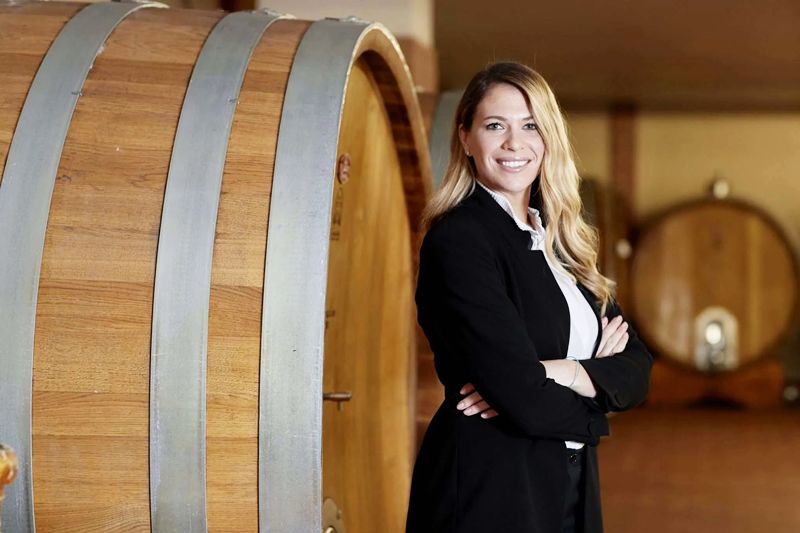
Die europäischen Weinerzeuger werden von einer neuen politischen Einigung profitieren , die diese Woche in Brüssel erzielt wurde. Am 3. Dezember einigten sich das Europäische Parlament und der Rat auf ein vorläufiges "Weinpaket", das den Sektor bei der Bewältigung der aktuellen sozialen, wirtschaftlichen, geopolitischen und ökologischen Herausforderungen unterstützen soll. Die Einigung ist das Ergebnis monatelanger Verhandlungen und wird als Antwort auf die langjährigen Forderungen der Weinwirtschaft nach mehr marktorientierten Unterstützungsinstrumenten gesehen.
Der Comité Européen des Entreprises Vins (CEEV), der die europäischen Weinunternehmen vertritt, begrüßte die Vereinbarung. Marzia Varvaglione, Präsidentin des CEEV, sagte, das Paket gehe auf die wichtigsten Anliegen des Sektors ein, insbesondere in Bereichen wie Absatzförderung, Investitionen und Weintourismus. Sie merkte an, dass die Maßnahmen zwar positiv seien, das EU-Recht allein aber nicht alle Probleme der Weinerzeuger lösen könne.
Eines der wichtigsten Merkmale des Abkommens ist die größere Flexibilität bei der Verwaltung von Pflanzgenehmigungen. Es wird erwartet, dass diese Änderung den Weinbauern hilft, ihre Produktion besser zu planen und sich an die veränderten Marktbedingungen anzupassen. Einige Vertreter des Sektors äußerten sich jedoch enttäuscht über die Aufhebung der Frist für die Pflanzungsrechte bis 2045 und argumentierten, dass dies die langfristige Stabilität beeinträchtigen könnte.
Das Paket ermöglicht es den Mitgliedstaaten außerdem, EU-Kofinanzierungsmittel für klimarelevante Investitionen in Höhe von bis zu 80 % der förderfähigen Kosten zu erhalten. Damit sollen die Anstrengungen der Weinerzeuger zur Anpassung an den Klimawandel und zur Einführung nachhaltigerer Verfahren beschleunigt werden. Der Sektor ist in den letzten Jahren durch extreme Wetterereignisse und veränderte Umweltbedingungen zunehmend unter Druck geraten.
Auch die Förderprogramme werden im Rahmen des neuen Abkommens geändert. Eine neue Struktur wird drei aufeinanderfolgende Dreijahreszeiträume für die Finanzierung ermöglichen, wobei mehr finanzielle Unterstützung zur Verfügung steht. Branchenführer sind der Ansicht, dass dies dazu beitragen wird, die internationale Wettbewerbsfähigkeit der europäischen Weine in einer Zeit zu stärken, in der die globalen Märkte schwieriger werden.
Auch der Weintourismus wird in dem Paket ausdrücklich unterstützt. Der CEEV hob hervor, dass der Weintourismus ein wichtiger Motor für das lokale Wirtschaftswachstum ist und dazu beiträgt, stärkere Verbindungen zwischen Erzeugern und Verbrauchern herzustellen.
Auch die Etikettierungsvorschriften sollen aktualisiert werden. Die Europäische Kommission hat sich verpflichtet, ein harmonisiertes Symbol für QR-Codes auf Weinetiketten zu entwickeln, das den Erzeugern in den Mitgliedstaaten mehr Rechtssicherheit bieten soll. Außerdem werden die Vorschriften für aromatisierte Weinerzeugnisse und Standardweine angeglichen, so dass es für die Erzeuger einfacher wird, neue Weintypen ohne niedrigen Alkoholgehalt einzuführen.
Trotz dieser Fortschritte bleiben in der Branche einige Bedenken bestehen. Der CEEV sprach sich erneut gegen die Verwendung von EU-Mitteln für die Rodung von Rebflächen aus - eine Maßnahme, mit der die Überproduktion reduziert werden soll -, selbst wenn es dafür Einschränkungen gibt. Unbehagen herrscht auch darüber, wie teilweise entalkoholisierte Weine geregelt werden sollen. Das Abkommen führt eine neue Kategorie mit der Bezeichnung "Wein mit reduziertem Alkoholgehalt" für Produkte mit einem Alkoholgehalt von über 6 % vol ein, was zu rechtlichen Unklarheiten führen und die Marktkohärenz stören könnte.
Ignacio Sánchez Recarte, Generalsekretär der CEEV, sagte, dass zwar nicht alle Terminologieentscheidungen für den Sektor ideal seien, er aber Schritte zur Harmonisierung von Begriffen wie "0,0%" für alkoholfreie Weine begrüße. Er forderte die Gesetzgeber auf, das Paket unverzüglich formell zu verabschieden.
Es wird erwartet, dass das Weinpaket in den kommenden Wochen förmlich verabschiedet wird. Wenn es wie geplant verabschiedet wird, stellt es eine der bedeutendsten Aktualisierungen der EU-Weinpolitik in den letzten Jahren dar, mit direkten Auswirkungen auf die Erzeuger in ganz Europa und möglichen Welleneffekten auf den globalen Weinmärkten.
VGSC S.L.

Vinetur® wurde 2007 gegründet und ist eine eingetragene Marke von VGSC S.L. mit einer langen Geschichte im Weinsektor.
VGSC, S.L. ist ein im Handelsregister von Santiago de Compostela, Spanien, eingetragenes Unternehmen.
E-Mail: [email protected] | Tel: +34 986 077 611
Hauptsitz und Büros in Vilagarcia de Arousa, Galicien