U.S. Wine Market Faces Challenges Amid Inflation and Tariff Concerns
Luxury and organic wines show resilience, with rare wine prices rising and Millennials embracing wine collecting.
2025-03-13
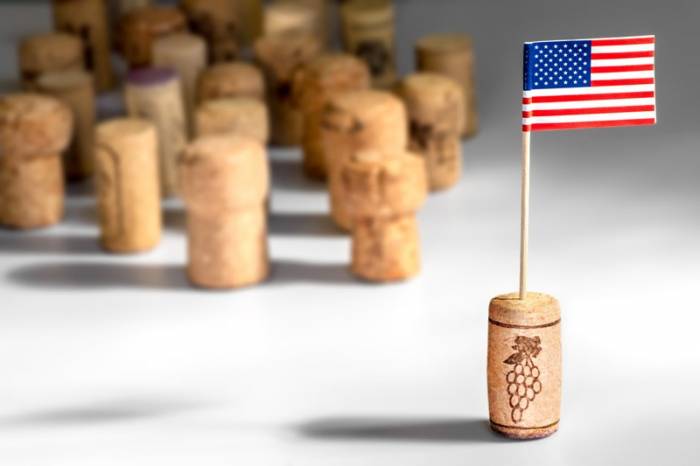
In the first quarter of the year, U.S. wine sales experienced a turbulent period, influenced by declining consumer confidence due to inflation fears and concerns over President Donald Trump's fluctuating tariff policies. Despite a general downturn in wine sales, with a 3.6% decrease year-over-year according to Nielsen data, there are notable exceptions. Luxury goods, including wine, have shown resilience, with certain segments outperforming the broader market. The fine wine secondary market appears to have stabilized, with price declines bottoming out, as reported by wine retailers and investment firms surveyed by Liv-ex, a global wine marketplace.
Rare and premium wines, organic wines, and wines from select countries are performing exceptionally well. David Parker, CEO of Benchmark Wine Group, notes that classic collectible wines are showing strength, possibly indicating a typical upswing in the wine business cycle after two years of correction. This trend may also reflect a shift in consumer attitudes, with Millennials increasingly embracing wine collecting, similar to previous generations.
Super premium wines are setting records, with Benchmark Wine Group experiencing significant growth. The acquisition of The Wine Spectrum in 2024 contributed to Benchmark's most successful year. This year, sales have continued to rise, with rare wine prices appreciating by 3% to 5%. Benchmark's Brentwood Auctions has achieved 400 auction records, including the sale of a 1972 Clos du Val Cabernet Sauvignon for $8,400. California "cult" wines, Bordeauxs, and Ports are particularly strong, with price increases of 2.5%, 4%, and 7%, respectively.
Luxury wine brands are evolving, with DAOU Vineyards, acquired by Treasury Americas in 2023, focusing on maintaining quality while expanding through strategic partnerships. DAOU has become the top-selling luxury Cabernet Sauvignon in the U.S., aided by partnerships with events like the Dallas Open and the Santa Barbara International Film Festival. With Treasury's resources, DAOU plans to expand internationally, targeting markets in Singapore, China, and Europe.
Organic wines are gaining popularity, appealing to health-conscious consumers. Traditionally popular in Germany, France, and the UK, organic wines are now seeing increased demand in the U.S. A report by InsightAce Analytic projects an 11.3% annual growth rate for organic wines, reaching $25.07 billion by 2030. Bonterra Organic Estates is experiencing growth driven by its Sauvignon Blanc, which is poised to overtake Cabernet Sauvignon as its top varietal.
Certain regions are also gaining traction in the U.S. market. Chilean wines are experiencing growth in both value and luxury segments, with Concha y Toro's Frontera brand seeing a 4.1% increase in volume. Israeli wines from Yarden Wine Imports have reported 40% growth, driven by on-premise and off-premise sales. Italian wines, particularly from the Consorzio di Tutela Barolo Barbaresco Alba Langhe e Dogliani, are seeing positive trends, with increases in bottling for Barolo DOCG and Langhe DOC Nebbiolo.
In Germany, the wine market is seeing growth in Sekt and low and no-alcohol wines. With Champagne sales declining, German Sekt sales increased by 29% last year. The country is also leading in the production of non-alcoholic wines, with Dr. Lo alcohol-removed wines experiencing rapid growth. The focus on fruit-driven, aromatic wines has contributed to the success of German no and low-alcohol wines.
As the wine market navigates these changes, questions remain about the future trajectory. Will the pockets of success continue to expand, or will the market return to a slower, steady growth mode in the second quarter? The industry remains cautious but optimistic, with ongoing investments in education and relationship-building seen as key to sustaining demand for high-quality wines.

Founded in 2007, Vinetur® is a registered trademark of VGSC S.L. with a long history in the wine industry.
VGSC, S.L. with VAT number B70255591 is a spanish company legally registered in the Commercial Register of the city of Santiago de Compostela, with registration number: Bulletin 181, Reference 356049 in Volume 13, Page 107, Section 6, Sheet 45028, Entry 2.
Email: [email protected]
Headquarters and offices located in Vilagarcia de Arousa, Spain.