British Columbia's wine industry faces historic crop loss
The struggle of British Columbia's vineyards
Wednesday, February 28, 2024

Views › 3206
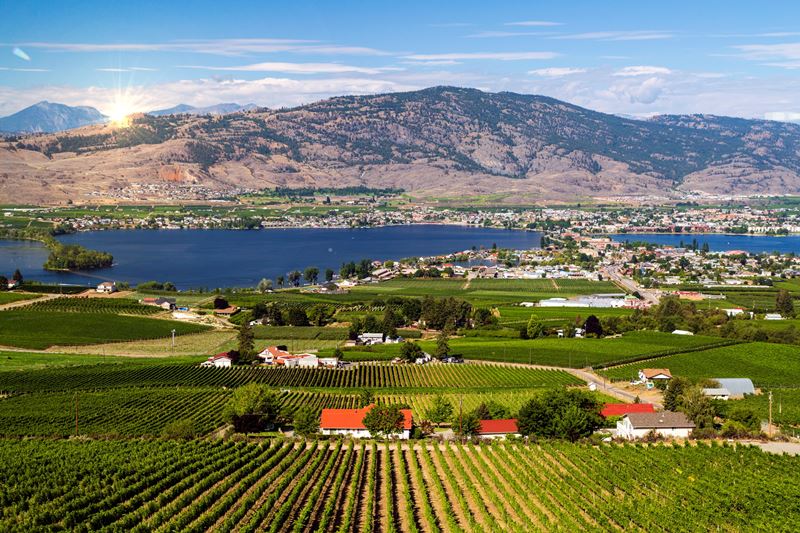
In the quiet, frostbitten vineyards of British Columbia, the landscape tells a tale not of fruitful abundance but of a chilling setback that has gripped the heart of Canada's wine country. The recent cold snap, an unyielding frost that held the region in its icy grasp from January 11 to 15, has left vineyards and wineries facing a scenario most dire: a staggering 97–99% reduction in crop yields for 2024. As British Columbia reels from this climatic blow, the impact resonates far beyond the frozen fields, hinting at a future uncertain for both the wine industry and the palates of connoisseurs worldwide.
The Okanagan Valley, a jewel in British Columbia's winemaking crown, accounting for 86% of the province's wine production, stands to lose its entire crop for the year 2024. This is a blow not easily absorbed, as the valley's vineyards are celebrated for their unique terroirs and the exquisite wines they produce. The Fraser Valley and Vancouver Island, areas spared the worst of the freeze, will provide a mere 1–3% of the province's typical output, but these regions are small and their yields cannot compensate for the loss elsewhere.
The financial toll is monumental, with initial estimates suggesting losses ranging from $340–$346 million for vineyards and wineries, coupled with another $97–$99 million hitting industry suppliers, logistics providers, and distributors. These figures, however, only scratch the surface, as they do not account for the long-term damages. Vines, subjected to such extreme and prolonged cold, may suffer beyond immediate crop loss, potentially requiring complete replanting—a process that not only demands significant investment but also patience, with a span of three years before yielding marketable crops again.
The cold snap of January 2024 follows on the heels of another severe freeze in December 2022, which had already reduced yields by 58% across the province. Together with the devastating wildfires of the summer of 2023, British Columbia's wine industry is under siege by nature's whims. The cumulative effect of these events has plunged winemakers and grape growers into a state of financial duress, prompting urgent discussions with government officials regarding the importation of grapes from regions such as Ontario and Washington State. Such measures are deemed necessary to ensure that there is wine to sell from the 2024 vintage, highlighting the interconnectedness of wine regions and their shared vulnerabilities to climate extremes.
Yet, the plight of British Columbia is not isolated. Washington State, too, experienced its own bout of freezing temperatures during the same period, with crop loss reports varying widely among its AVAs (American Viticultural Areas). The cold's reach, seemingly indiscriminate, spared those near large bodies of water, underscoring the complex interplay between geography, climate, and viticulture.
This series of climatic assaults on North America's wine regions underscores a broader narrative: the increasing volatility of weather patterns and its profound impact on agriculture. For British Columbia, the path forward is fraught with uncertainty. The wine industry, a mosaic of growers, winemakers, and affiliated sectors, now looks towards recovery and resilience. With governmental support and a focus on sustainable practices, there is hope yet for revival. However, the journey will be long, and the scars left by this frost will not soon fade, serving as a stark reminder of our vulnerability to the forces of nature.
As we await further reports and the detailed assessments of the damage, including the cost of replanting and the timeline for recovery, one thing remains clear: the resilience of those who tend the vineyards and craft the wines. Their determination to rebuild and to continue the tradition of winemaking in British Columbia speaks to the enduring spirit of the industry. It is a testament to the belief that even in the face of adversity, there can be growth, renewal, and, ultimately, a return to abundance.