The expanding world of non-alcoholic wines
How de-alcoholized wines are reshaping consumer preferences
Friday, February 2, 2024

Views › 2356
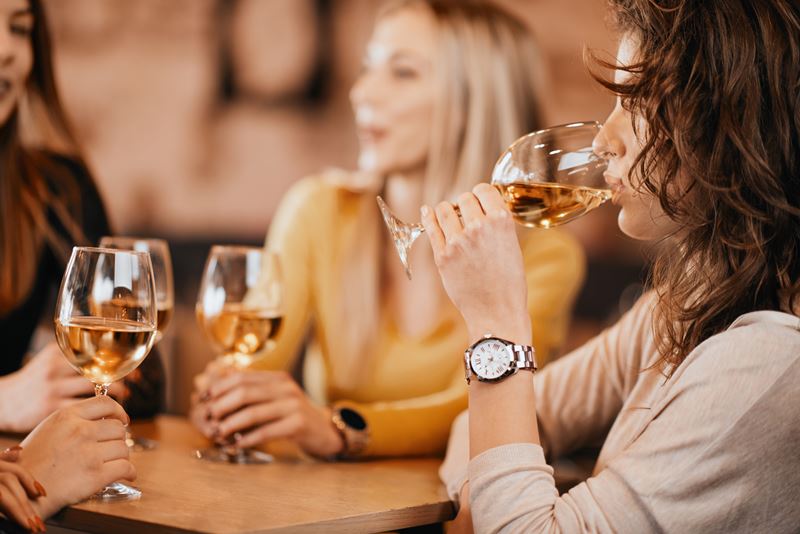
The burgeoning interest in de-alcoholized wines marks a significant shift in consumer behavior and preferences, challenging the traditional perceptions of wine consumption. As sales data from Nielsen and IRI reveal, the non-alcoholic wine segment has experienced remarkable growth, particularly during the pandemic. This surge is indicative of a broader cultural movement towards moderation, health consciousness, and inclusivity in drinking practices.
De-alcoholized wines, containing less than 0.5 percent alcohol by volume, present a fascinating case study in the evolution of the wine industry. Introduced in the 1980s, brands like Ariel and Fre have pioneered this niche, capitalizing on the demand for lower-alcohol alternatives. Their success, underscored by significant sales growth and market dominance, reflects a growing consumer appetite for such products. This trend is further bolstered by the entry of new players and the involvement of celebrities and established wineries, signaling a robust expansion of the category.
The appeal of de-alcoholized wine lies in its ability to offer the familiar rituals and sensory experiences of wine drinking, sans the alcohol. This is particularly attractive to individuals seeking to reduce alcohol consumption without sacrificing the social and cultural aspects of wine enjoyment. The technological processes involved in de-alcoholizing wine, such as vacuum distillation, spinning-cone technology, and reverse osmosis, aim to preserve the wine's character while removing alcohol. However, these methods have varying degrees of success in retaining the aromatic and flavor profiles of the original wines.
Tasting evaluations of de-alcoholized wines reveal a spectrum of quality and fidelity to the wine experience. While some offerings struggle to capture the essence of their alcoholic counterparts, others, like Ariel Vineyards, have achieved commendable results, producing beverages that retain varietal characteristics and some structural elements of wine. Yet, the overall taste profile of these wines often diverges from traditional expectations, sometimes veering towards sweetness or exhibiting altered mouthfeels.
The challenges faced by de-alcoholized wines in replicating the complete wine experience stem from the intrinsic role of alcohol in defining wine's aroma, taste, and mouthfeel. Alcohol's removal not only diminishes the volatility of aromatic compounds but also impacts the body and texture of the beverage. Despite these hurdles, the sector's growth trajectory suggests a significant market for de-alcoholized wines, driven by consumers' evolving preferences and lifestyle choices.
The future of de-alcoholized wines hinges on the industry's ability to innovate and improve the sensory fidelity of these products. As winemakers refine the de-alcoholization processes and explore new techniques, the gap between non-alcoholic and traditional wines may narrow, enhancing the appeal of these alternatives to both casual drinkers and connoisseurs. The continued growth and diversification of the de-alcoholized wine category underscore its potential to redefine the boundaries of the wine market, catering to a demographic that values moderation and wellness without compromising on the cultural and hedonic aspects of wine consumption.