EU spirits exports rose 12% through September on stronger U.S. demand
Sales outside the bloc reached €6.946 billion, with the United States the largest contributor to the rebound after a weak 2025
Thursday, November 26, 2026

Views › 470
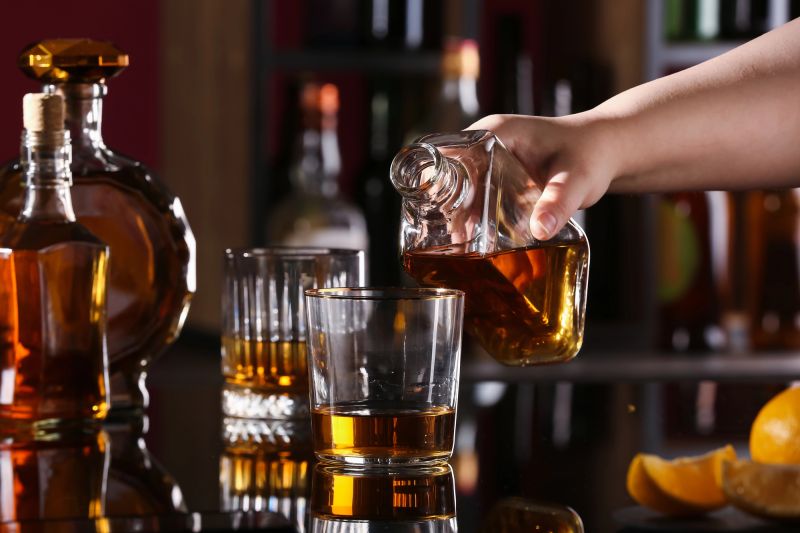
European Union exports of spirits and liqueurs to markets outside the bloc rose 12% in the first nine months of 2026, helped mainly by stronger sales to the United States, according to a European Commission agri-food trade report published Tuesday, November 24, using Eurostat data.
From January through September, EU exports of distilled spirits and liqueurs reached €6.946 billion, up €725 million from the same period in 2025. The Commission said the United States was the main source of that increase, with the value of EU spirit and liqueur sales to the U.S. rising 13%.
The report also said Ukraine and Russia bought more EU spirits and liqueurs during the period, although it did not give separate growth rates or values for those two markets. The Commission identified the three destinations as the main drivers of the export increase but did not break down performance by product type, such as whisky, vodka or liqueurs, and did not provide figures on export volumes.
That distinction matters because the reported 12% increase refers to the value of shipments, not to the number of bottles sold or liters exported. Higher export earnings can reflect a mix of stronger demand, higher prices, a shift toward premium products, currency effects or some combination of those factors. The Commission’s report did not specify which of those factors had the largest role.
The rebound in spirits exports stands out within the broader EU agri-food trade picture. Only one agri-food category posted a larger increase in export value in euro terms during the first nine months of 2026, according to the Commission’s data. The bloc’s net agri-food exports rose by €1.044 billion over that period, meaning spirits and liqueurs accounted for almost 70% of the overall improvement once declines in other categories were taken into account.
The stronger performance marks a reversal after a weaker 2025. For the full year 2025, EU exports of spirits and liqueurs totaled €8.353 billion, down from €8.769 billion in 2024. That was a decline of €416 million, or 4.7%. By the end of September 2026, however, the sector had already exported €6.946 billion worth of products, compared with €6.220 billion in the same period of 2025, showing a clear change in direction.
The United States remains a critical market for European distillers and liqueur producers because of its size and its long-standing demand for imported premium alcohol products. The Commission’s figures did not explain in detail why U.S. purchases rose in 2026, but the 13% increase made the country the single largest contributor to the overall gain in EU external sales.
The report did not indicate whether the increase reflected broader consumer demand across the U.S. market or was concentrated in particular products or price segments. It also did not show whether gains came from a limited number of producing countries within the EU or were broadly shared across the bloc.
Ukraine and Russia were also named as destinations where purchases increased, though the Commission did not quantify the change in those markets in the summary figures cited in the report. Without a detailed country-by-country breakdown, it is not possible to measure how much each market contributed to the €725 million overall rise in exports.
Imports of spirits and liqueurs into the EU also increased during the same period, but at a slower pace than exports. The bloc’s purchases from third countries rose 8% to €3.390 billion from January through September. Because export growth outpaced import growth, the sector’s trade surplus widened further.
The surplus in spirits and liqueurs trade reached €3.556 billion in the first nine months of 2026, up from €3.072 billion in the same period a year earlier. That was an increase of €484 million, or 15.8%. Put another way, for roughly every additional euro the EU spent on imported spirits and liqueurs, export revenues rose by about three euros.
The widening surplus adds to the sector’s importance in the EU’s food and drink trade balance. Distilled spirits and liqueurs are a smaller category than some major farm and food products by volume, but they generate high export values and can have an outsized effect on trade earnings.
The latest figures suggest that, at least through September, foreign demand for EU-made spirits had strengthened enough to offset the previous year’s decline. Whether that momentum continued into the final quarter of 2026 was not addressed in the Commission’s November 24 report, which covered only the first nine months of the year.
The data also leave open questions about how durable the export recovery will be. Because the Commission published values rather than physical volumes, it is not yet clear how much of the increase came from higher shipment quantities and how much came from pricing. Even so, the report shows that spirits and liqueurs were one of the EU’s strongest-performing agri-food export categories through September, with the U.S. market playing the central role in that recovery.