Rémy Cointreau Plans to Cut 12%-15% of Its Work Force
The French spirits maker said the reductions will lower overhead under a five-year strategy after first-half sales rose 4.4%
Thursday, November 26, 2026

Views › 664
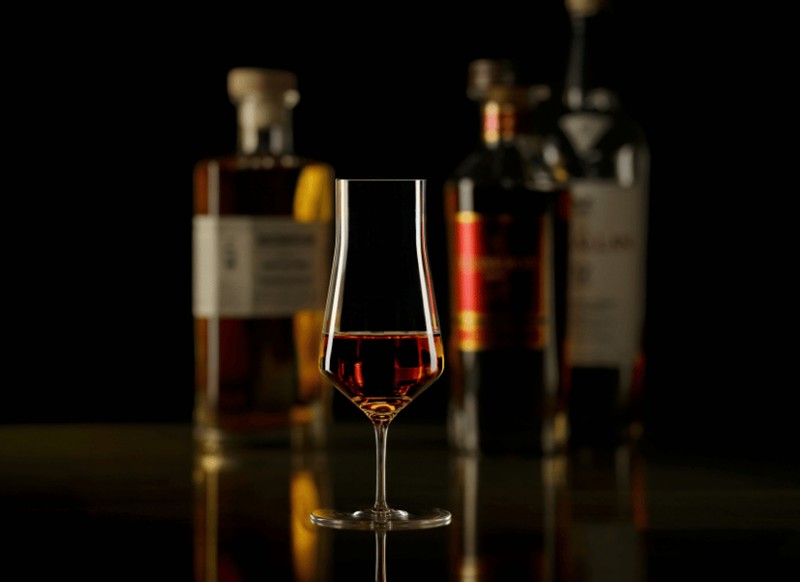
Rémy Cointreau said on Wednesday, November 25, that it plans to cut 12%-15% of its workforce as part of a new five-year strategy, even as the French spirits group reported a return to sales growth and improved its profit outlook for the current fiscal year.
The maker of Rémy Martin cognac and Cointreau liqueur said the job cuts are meant to adapt its structure and bring overhead costs back in line with the size of the business. The company had nearly 1,800 employees as of March 2026. It said the reduction could affect as much as 14% of staff in France and as much as 16% of employees in the rest of the world. In France, the company said a voluntary departure plan is already underway.
The announcement came with first-half results that showed a recovery after several difficult years for the group, which has been exposed to swings in global trade and changing tariff policies. Investors welcomed the update. Rémy Cointreau shares were up 10.31% at 56.70 euros at about 1 p.m. in Paris, while the broader market was up 0.50%.
For the six months ended in late September, revenue rose 4.4% to 510.9 million euros, driven by cognac. Net profit fell 9.8% to 57 million euros, but the company said that decline mainly reflected restructuring costs tied to its transformation plan and an asset write-down rather than a deterioration in its core business. Excluding exceptional items, first-half net profit rose 19.9%.
On the strength of that performance, Rémy Cointreau raised its profitability outlook for fiscal 2026-27. It now expects a solid organic improvement in current operating margin, compared with a slight improvement forecast earlier.
Cognac, the group’s main business, was the main support for both sales and profitability in the half. The company said marketing and communication spending for cognac was reduced temporarily in the first half, but will increase in the second half to support stronger activity in the United States later in the year and around the Chinese New Year period.
The picture was weaker in the liqueurs and spirits division, where revenue fell 7.1%. Rémy Cointreau said that business was hurt by destocking linked to distributor changes in the United States, moderate consumption in Europe and the Middle East, and a slight decline in China.
The company also improved its currency assumptions for the full year. It now expects exchange rates to add about 15 million euros to revenue and 8 million to 10 million euros to operating profit, compared with a previous estimate of 3 million to 5 million euros for operating profit. On tariffs, the company said it expects no impact on current operating profit in the United States and about a 5 million euro impact in China.
Alongside the results, Rémy Cointreau laid out a strategy aimed at making the group less dependent on market swings outside its control. That is a major issue for the drinks industry because premium spirits producers have faced pressure from weaker consumption, inventory corrections, and trade disputes that can quickly raise costs or disrupt exports. The restructuring at Rémy Cointreau signals how large beverage groups are trying to protect margins even when sales begin to recover.
The company said it wants to rely more heavily on organic growth, especially through cognac, while also reducing its cost base. It is seeking to gain market share in both high-end products and more affordable segments. Among its priorities, Rémy Cointreau wants to sell more Rémy Martin VS cognac in Africa and attract new consumers in the United States.
In its liqueurs and spirits business, the company identified three priority brands for future development: Cointreau, The Botanist and Bruichladdich.
Rémy Cointreau said those efforts, together with structural savings and workforce reductions, should help it achieve organic revenue growth of around 5% between 2027 and 2029, before moving above 5% from 2029. The plan reflects a broader push in the spirits market to balance brand investment with tighter cost control after a period when demand, distribution patterns and trade policy all proved less predictable.