France Opens Food-Ingredient Path for Winemaking Residues Under Tighter Traceability Rules
The Nov. 13 order subjects ingredient manufacturers to revised declarations, controls and a ban on use in direct-consumption beverages
Tuesday, November 24, 2026

Views › 335
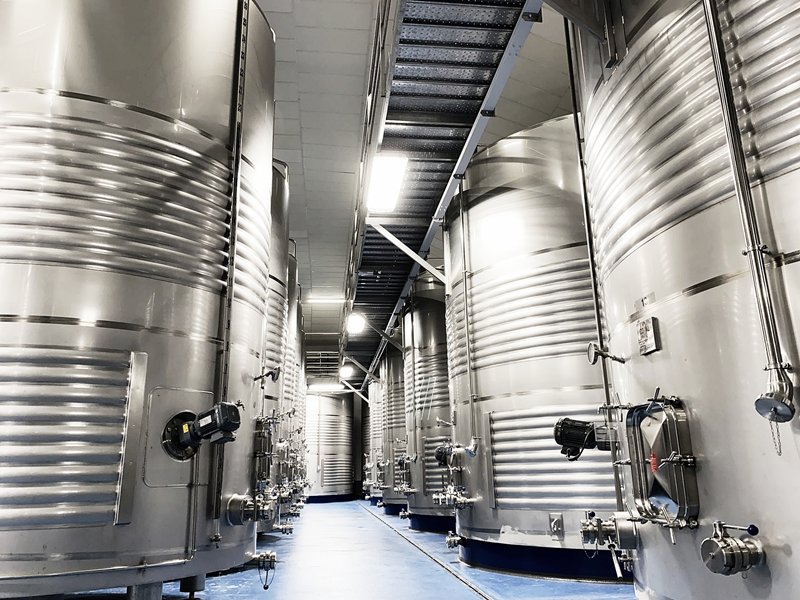
On Nov. 13, France issued an order changing the rules for how residues from winemaking can be declared, monitored and reused, creating a new food-use channel for those materials under stricter reporting and traceability requirements.
The measure amends an Aug. 18, 2014 order that set the procedures for declaring and controlling the recovery of vinification residues. Under the new text, those residues can now be directed to an additional food-related use, expanding the list of permitted recovery routes for waste generated during wine production.
The order requires operators to declare this new form of recovery under revised procedures. French authorities said the changes are meant to strengthen oversight and ensure more precise traceability for materials moving through the system. The text also sets implementation conditions and obligations for the companies involved so that sanitary and environmental rules are respected.
According to the measure, manufacturers of food ingredients are now included among the operators allowed to recover these residues and are subject to the related control obligations. The ingredients produced through this channel cannot be used in beverages intended for direct human consumption, placing a clear limit on how the new food pathway can be used.
That distinction matters for the beverage industry because it opens a new regulated outlet for byproducts from winemaking without allowing those materials to flow back into finished drinks for direct consumption. For wineries, the change could broaden options for handling production residues and may, over time, create an additional source of value from material that was previously more limited in its allowed uses.
The French text does not present the measure as a relaxation of oversight. Instead, it ties the new outlet to revised declaration rules, reinforced controls and detailed traceability. That framework suggests regulators are trying to balance broader reuse with close supervision of where the residues go and how they are processed.
For producers, processors and compliance teams, the change is likely to mean more administrative and operational work as companies adapt to the updated rules. Businesses that want to use winemaking residues in food ingredients will have to fit within the declaration system and meet the sanitary and environmental requirements laid out by the order.
The amendment reflects a wider policy direction in Europe toward finding more uses for agricultural and food-processing byproducts rather than treating them only as waste. In the French wine sector, that approach could encourage new links between wineries and ingredient manufacturers, though the commercial impact will depend on how quickly operators build approved processing channels and whether the economics support large-scale use.