Britain says the U.K.-E.U. border deal will leave wine and spirits outside its scope
The carve-out limits the relief expected from the sanitary and phytosanitary framework when it takes effect on March 1, 2028
Saturday, November 21, 2026

Views › 666
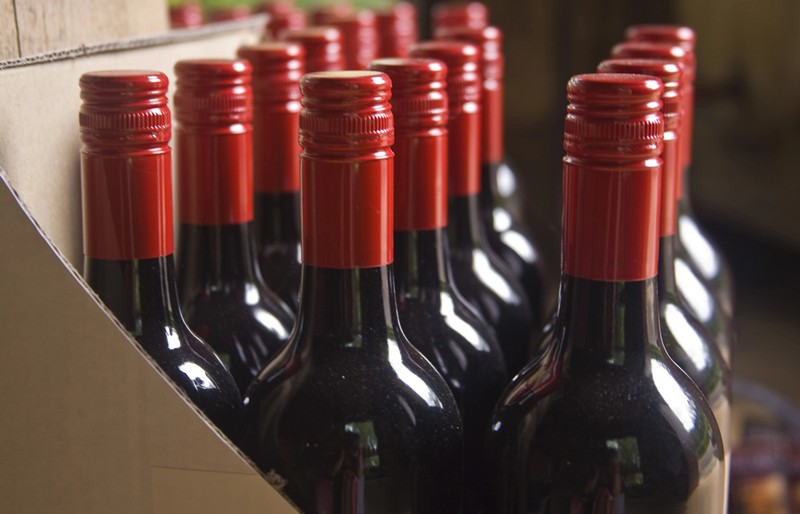
The British government has said the new sanitary and phytosanitary framework agreed with the European Union will leave wine and spirits outside its scope, creating a clear limit to the border relief the deal is expected to bring when it takes effect on March 1, 2028.
The point appears in a Cabinet Office explainer issued with the UK-EU Summit 2026 documents, which sets out how London and Brussels plan to manage food safety, animal health and plant health trade after Brexit. The document presents the agreement as a way to reduce friction in cross-border trade while keeping what it describes as high standards for human, animal and plant health.
Under the plan, the UK and the EU would continue to apply their own sanitary and phytosanitary standards, but they would also commit to sharing information quickly when risks emerge and to working together on inspections and disease prevention. The explainer says the new system is meant to make trade flows smoother while preserving health protections.
The Cabinet Office describes the arrangement as covering products linked to food safety, animal health and plant health. It also outlines enforcement rules, dispute resolution procedures and a mechanism for changing sanitary and phytosanitary measures in response to scientific developments or new threats.
But the exclusion of wine and distilled drinks means the agreement will not remove every post-Brexit barrier affecting goods that move between the UK and the EU. For businesses in the beverage trade, that matters because companies dealing in wine and spirits may not benefit from the same simplification at the border that could apply to other agri-food products. In practice, that could leave separate regulatory checks, paperwork or compliance steps in place in an important market for cross-Channel drinks trade.
The explainer also refers to transitional arrangements before the new regime is fully in place. According to the Cabinet Office, the transition is intended to give businesses, regulators and border officials time to adapt to the new requirements. The government says that process will include implementation timelines, training for officials and communication with affected stakeholders.
That transition period is likely to be important for traders that move mixed consignments, where drinks and food products travel together. Even if some categories see fewer frictions under the sanitary and phytosanitary agreement, shipments that include excluded products such as wine or spirits could still face more complicated handling than traders had hoped for when the broader deal was announced.
The document comes against the wider backdrop of efforts by London and Brussels to stabilize trade management after the UK’s departure from the EU. Since Brexit, sanitary and phytosanitary rules have been one of the main sources of cost and delay for companies moving food, animals and plant products across the border. The government’s explainer presents the new framework as a cooperative response to that problem rather than a return to the pre-Brexit system.
The Cabinet Office says both sides have agreed to maintain their respective standards rather than lower them. It frames the agreement as a balance between easier trade and continued protection of public, animal and plant health. The document also stresses that the system is meant to be flexible enough to respond when disease outbreaks or other risks require new controls.
Another sensitive point is Northern Ireland. The government is considering continued flexibilities to keep supplies moving there where regulatory differences remain. That suggests London does not expect every divergence issue to disappear once the new sanitary and phytosanitary regime begins, especially in areas that sit outside the agreement’s scope.
For wine merchants, importers and distributors, that could be significant. Northern Ireland has been one of the most closely watched parts of the UK internal market since Brexit because goods can be affected by both UK and EU regulatory considerations. If wine remains outside the new arrangement, operators may still need to plan for separate procedures when supplying that market, even as some food categories move under a more streamlined system.
The Cabinet Office explainer does not present the sanitary and phytosanitary agreement as a complete answer to all trade frictions. Instead, it sets out a framework with defined scope, conditions and a staged move toward implementation on March 1, 2028. Its central message is that the UK and the EU want closer practical cooperation on health-related trade controls, but with important carve-outs that will still matter for parts of the food and beverage economy.