Spanish researchers identify three consumer profiles for non-alcoholic wine
A study of 638 consumers found that health concerns, price and shifting social norms drive interest in Spain
Tuesday, October 27, 2026
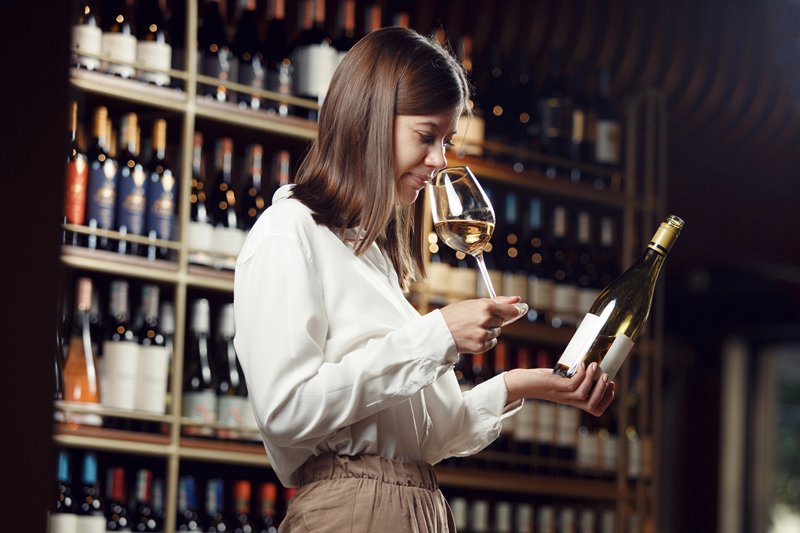
Researchers at the University of León have identified several consumer profiles linked to interest in non-alcoholic wine, with health concerns, price and changing social habits emerging as the main drivers in Spain’s market.
The study, published October 27 in the International Journal of Wine Business Research, analyzed 638 valid online survey responses from Spanish consumers. The authors found that willingness to adopt non-alcoholic wine does not depend on one single factor. Instead, it reflects different combinations of age, gender, education and current drinking habits.
The research comes as wineries and beverage companies continue to expand products in the non-alcoholic and low-alcohol, or NoLo, category. The authors said the market has grown alongside changes in consumer attitudes toward alcohol, especially among younger adults and people looking for healthier options. Their work aims to help explain which consumers are more likely to choose non-alcoholic wine and why.
The paper was written by Rosana Fuentes-Fernández, José Luis del Campo-Villares and María Cristina Mendaña-Cuervo. It focuses only on Spain, a country with a strong wine culture and an established role in the global wine industry, but one where non-alcoholic wine remains a developing segment.
Rather than using a standard linear model, the researchers used fuzzy-set Qualitative Comparative Analysis, known as fsQCA. That method is designed to identify different causal paths that can lead to the same outcome. In this case, the outcome was a high propensity to consume non-alcoholic wine. The method also allows researchers to test whether the same factors operate differently depending on the motivation being studied.
The team examined three motivations separately: social trends, health and price. They then tested how those motivations interacted with five background conditions: age, gender, education, alcoholic beverage consumption and non-alcoholic beverage consumption.
One of the clearest findings involved consumers influenced by social trends. The study found that younger people with moderate habits of consuming non-alcoholic beverages showed a higher propensity to adopt non-alcoholic wine when the decision was tied to evolving social norms. That suggests non-alcoholic wine may benefit from broader cultural shifts rather than from taste or product attributes alone. The authors point to a setting in which drinking less alcohol may be seen as more normal in social situations than in the past.
The health-related profile was different. In that group, higher education levels, lower alcohol consumption and moderate use of non-alcoholic beverages were associated with a stronger inclination toward non-alcoholic wine. The study suggests this segment may respond to information that frames the product as part of a healthier lifestyle or as a way to reduce alcohol intake without leaving wine-related occasions altogether.
The price-driven profile also differed from the health segment. According to the analysis, younger consumers with higher levels of alcoholic beverage consumption showed a greater propensity to consider non-alcoholic wine when price was a key factor. That result may indicate that some consumers are open to the category if the cost is competitive with other beverage choices, including alcoholic products.
The researchers said no single characteristic was either necessary or sufficient to explain adoption on its own. Age alone did not explain it. Education alone did not explain it. Existing alcohol consumption habits also did not operate in the same way across all groups. Instead, different combinations of traits and behaviors shaped consumer interest depending on the underlying motivation.
That finding is important for producers and retailers because it argues against a one-size-fits-all strategy. A health message aimed at highly educated consumers who already limit alcohol may not work in the same way for younger buyers who are more influenced by price or by social acceptance. The study says wineries and marketers should adapt both product development and communication to the profile they are trying to reach.
For businesses, the practical implication is segmentation. If the target consumer is motivated by social change, branding and messaging may need to emphasize moderation, inclusion in social settings and alignment with new drinking norms. If the target is motivated by health, more attention may be needed on product information and transparency. If price is central, the product may need to compete more directly with alternatives in the broader beverage market.
The paper also touches on public policy. The authors say understanding why consumers choose non-alcoholic wine could help policymakers and public health officials promote lower-risk drinking patterns. Products that offer a substitute in meals, celebrations or other social settings may play a role in reducing alcohol intake for some groups, especially if they are accepted as normal rather than exceptional choices.
At the same time, the researchers caution against broad generalizations. The survey data are self-reported, which means the results depend on what respondents said about their own behavior and preferences. The sample is also limited to Spain, so the findings may not apply in the same way to countries with different drinking cultures, pricing structures or consumer attitudes toward non-alcoholic alternatives.
The study does not include sensory testing, purchasing experiments or cross-country comparisons. It measures propensity to consume rather than actual long-term behavior in stores or restaurants. That means the research is useful for identifying likely patterns, but it does not settle how strongly those profiles will translate into repeated purchases in other markets.
Even with those limits, the article adds to a relatively small body of academic research focused specifically on non-alcoholic wine. Much of the existing work on NoLo products has centered on beer, spirits or broad wellness trends. By narrowing the focus to wine and testing several motivational models at once, the researchers argue that they are addressing a gap in the literature.
The authors say future research could compare Spanish consumers with those in other countries, use experimental methods or include sensory evaluations to better understand how expectations and taste shape adoption. Those next steps would be especially relevant as producers continue to invest in non-alcoholic wine and try to move the category beyond niche demand.
The study appears at a time when beverage companies are facing pressure from several directions at once, including health awareness, regulation, generational shifts and competition from a growing range of alcohol-free options. In that environment, the findings suggest the future of non-alcoholic wine may depend less on a single broad consumer trend than on how well the industry understands different types of buyers and the reasons they consider the product in the first place.