Heineken warns British pubs that weight-loss drugs could alter drinking habits
The brewer urged operators to offer smaller serves plus low- and no-alcohol options to offset fewer rounds at the bar
Monday, October 26, 2026
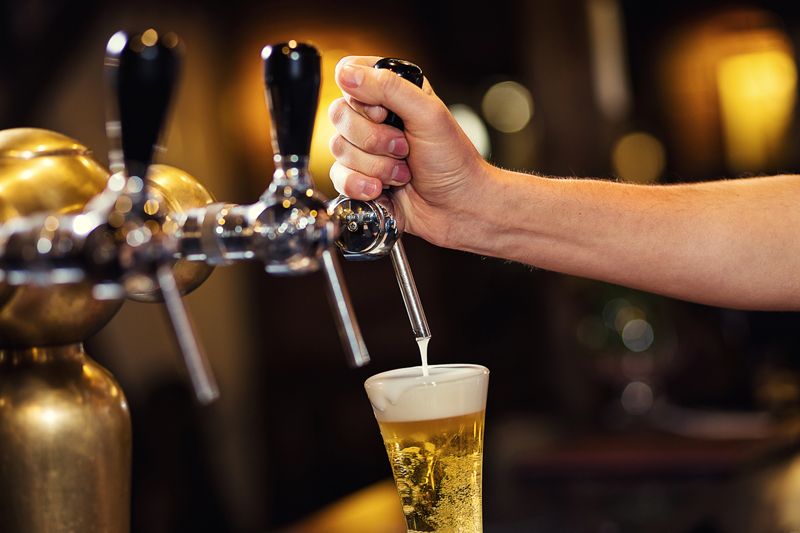
Heineken has warned British pubs that the growing use of weight-loss drugs could change how customers drink, adding a new issue for operators that depend on repeat visits and spending at the bar. CLH News reported that the brewer has told pubs in the United Kingdom to prepare for a possible shift in habits as more consumers use medicines designed for obesity and diabetes management.
The company’s message reflects a broader concern spreading through food and drink businesses. These drugs, often known as GLP-1 treatments, can reduce appetite and may also lower interest in alcohol for some users. If that effect becomes more common, pubs could face fewer visits, lower spending per visit, or both. For venues that rely on food sales, beer, cider, wine, and spirits to drive margins, even a gradual change in customer behavior could matter.
According to the report, Heineken’s advice to pubs includes offering smaller serves and strengthening low- and no-alcohol choices. That approach suggests the company expects some customers to keep socializing but change what and how much they consume. A pub that once built a sale around full pints, multiple rounds, and food orders may increasingly need to serve guests who want lighter options, lower-strength drinks, or a shorter stay.
The warning is notable because it comes from one of the world’s largest brewers and from a company with deep exposure to the British pub trade. When a supplier of that scale tells operators to plan for a behavioral shift, it signals that the issue is moving beyond medical and consumer trend discussions and into day-to-day commercial planning. Pubs have been adapting for years to changes in alcohol preferences, with demand rising for moderation, premium products, and alcohol-free beer. The spread of weight-loss drugs could add another layer to that adjustment.
The issue is not limited to beer. If customers taking these medicines decide to drink less often or choose smaller measures, the effect could extend across the beverage industry, from brewers to wine merchants, spirits brands, and distributors that supply pubs and bars. A lasting move toward smaller formats and lower-alcohol products could influence stock decisions, menu design, glassware, promotional offers, and ordering patterns across the on-trade market.
In practical terms, the advice points to a different kind of pub menu and bar offer. Smaller pours can help venues keep customers who still want a drink but no longer want the same volume. Low- and no-alcohol products can give pubs a way to protect occasions that might otherwise be lost entirely. The challenge for operators is that these sales do not always produce the same spending as traditional pub drinking sessions, especially when fewer rounds are bought over the course of an evening.
The British pub sector is especially sensitive to any trend that affects frequency and spend because many businesses are already working with tight margins. A modest drop in drink sales can have an outsized effect on profitability, particularly for independent venues and smaller groups. If customers taking weight-loss drugs also eat less when they go out, the impact could spread beyond the bar to kitchens and food-led pubs.
Heineken’s stance also shows how major beverage companies are trying to stay ahead of changes in consumer demand rather than wait for them to fully show up in sales data. In recent years, large brewers have invested heavily in alcohol-free and low-alcohol brands, broader flavor ranges, and different pack and serve sizes. The latest warning to pubs fits that pattern: protect the social occasion, but adjust the product mix to match changing behavior.
For pub managers, the issue is less about a sudden collapse in drinking and more about preparing for a gradual shift in who comes in, what they order, and how much they spend. Some customers may continue to drink as before. Others may move toward one smaller drink instead of several, switch to a no-alcohol beer, or skip the visit altogether if the traditional pub offer no longer matches their routine. That makes flexibility important at both the venue and supplier level.
The development is being watched closely because the use of these medicines is expanding in several markets, and the hospitality industry has little control over the underlying health trend. What it can control is range, pricing, and the way products are presented. In that sense, Heineken’s warning is also a commercial signal: pubs that respond early may be better placed to hold on to customers whose relationship with food and alcohol is changing.
The company’s message adds to a growing debate over how weight-loss drugs may reshape consumer industries well beyond healthcare. In the UK drinks trade, the immediate question is whether the change will remain limited to a segment of consumers or become large enough to alter sales patterns across mainstream pub culture. For now, the advice being circulated is practical rather than dramatic: keep the customer, but be ready for that customer to order differently.