Southern French wine growers replace vineyards with pistachios
Facing a deep wine slump after repeated drought, farmers say 4,000 euros per hectare in aid falls short.
Tuesday, October 13, 2026

Views › 2178
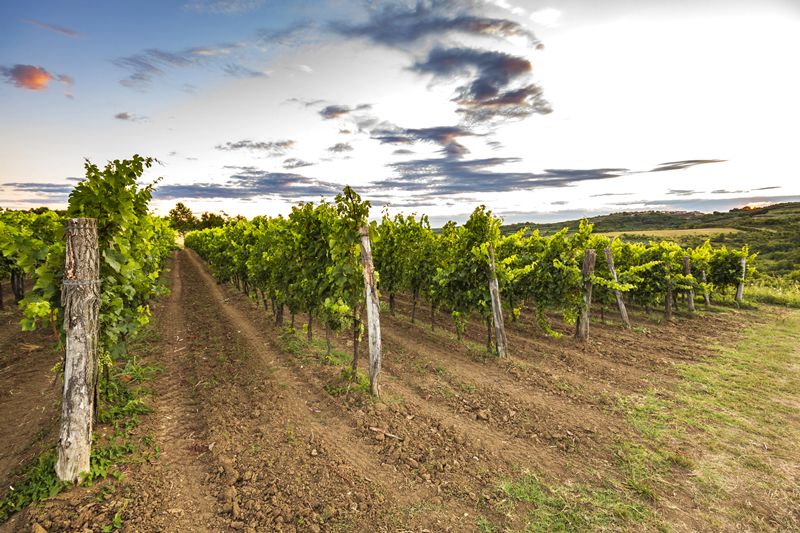
Wine growers in southern France are pulling up part of their vineyards and turning to crops such as pistachios and legumes as they try to adapt to a deep wine market slump and repeated drought, according to a report published Tuesday by La Revue du vin de France that cited AFP.
The shift reflects a broader strain on many producers in the region. Vineyard owners who once depended almost entirely on wine are now looking for other sources of income that may be better suited to hotter and drier conditions. Pistachio trees, lentils and other crops are being considered because they can offer an alternative use for land that has become harder to farm profitably as wine sales weaken and water pressure grows.
At the same time, growers say the public aid available for removing vines is too small to finance a real conversion. The report said the payment offered for uprooted vineyards is 4,000 euros per hectare, a level that some wine growers consider inadequate once the full cost of transition is taken into account. Pulling up vines is only the first expense. Farmers then face new planting costs, equipment needs, a waiting period before some crops generate revenue, and the challenge of finding buyers in unfamiliar markets.
That makes the decision more complex than a simple change in planting. For producers who have spent years, and often generations, building vineyards, switching to pistachios or legumes means changing technical practices, commercial relationships and long-term business plans. In some cases, it also means accepting that a piece of land once devoted to wine may no longer be part of a winery’s future.
The move comes as parts of the French wine industry continue to confront weaker demand and structural overcapacity, especially in areas where lower-priced wines have had trouble finding buyers. Southern France has also faced recurring dry spells that have raised the cost and risk of maintaining vineyards. Those pressures have pushed some producers to consider whether vines remain the best use of their land.
La Revue du vin de France reported that the farmers involved are trying to reinvent their business model rather than wait for a return to older market conditions. That change is not limited to planting decisions. It also touches financing, processing, storage and sales. A vineyard that moves into pistachios or pulses enters supply chains that differ sharply from those of wine, often requiring new partnerships and patience before returns become stable.
The stakes go beyond the individual farms making the switch. If more vineyard land is removed and converted to other uses, France’s future wine-growing capacity in some southern areas could shrink. For the beverage sector, that could gradually reduce potential grape supply from affected zones while forcing producers, cooperatives and merchants to rethink investment plans. It also underlines how support policies aimed at reducing excess wine production may not be enough on their own if they do not cover the wider cost of rebuilding a farm around a different crop.
The current aid structure appears to be one of the main points of tension. A grubbing-up payment can help a grower leave vines behind, but it does not necessarily provide the capital needed to establish a viable replacement business. New orchards, for example, can take years before they reach full production. Legumes may offer a faster return, but they still require different machinery, agronomic knowledge and market access. For many farmers, the question is not only whether to stop producing wine on part of their land, but whether they can afford the years of transition that follow.
The report from La Revue du vin de France, citing AFP, suggests that this search for “crops of the future” is becoming part of a broader survival strategy in the South. Producers are weighing climate resilience against the identity and economics of viticulture. They are also testing whether diversification can protect them from the volatility now affecting wine production and consumption.
For policymakers, the situation points to a wider problem in agricultural transition. Removing an unprofitable crop is one step. Building a sustainable replacement is another. In southern France, that gap is now being felt by wine growers who say the 4,000 euros per hectare payment does not match the cost of changing what they grow, how they work and who they sell to.